
Gyno From Steroids or Prohormones: What Settles After You Stop and What Needs Surgery
Chest swelling caused by anabolic steroids or prohormones may improve after the trigger is stopped, especially if it is recent. A persistent gland becomes less likely to shrink as fibrosis develops. Around 12 months is a useful warning point, not an exact cutoff. Surgery can remove an established gland when symptoms or appearance remain troublesome.
Noticing puffed nipples after gym training can be confusing. Your chest muscles may be growing while a separate swelling develops around the nipple. More bench presses or a stricter diet will not necessarily address it.
Understanding steroid chest side effects starts with identifying whether the enlargement is glandular, fat, or another type of lump. The next step depends on its duration, your drug history, and the examination findings.
संक्षिप्त हिंदी सारांश
स्टेरॉयड या प्रोहॉर्मोन के बाद निप्पल के आसपास सूजन हो तो डॉक्टर से जाँच करवाएँ। शुरुआती सूजन कारण हटने पर कम हो सकती है, लेकिन पुरानी ग्रंथि पूरी तरह कम हो, इसकी गारंटी नहीं है। टैमोक्सिफेन या दूसरी हार्मोन की दवा जिम ट्रेनर की सलाह पर न लें। लगातार बनी हुई ग्रंथि के लिए सर्जरी पर विचार किया जा सकता है।
Why do anabolic steroids and prohormones cause gyno?
Gynecomastia is enlargement of male breast gland tissue. It can develop when the balance of oestrogen and androgen activity shifts towards stimulation of the breast.
Some anabolic substances can be converted into oestrogens. External hormone use can also suppress the body’s own testosterone production, complicating the hormonal picture during and after a cycle. The exact effect depends on the substance and the individual.
Prohormones and products marketed as bodybuilding supplements should also be disclosed. A product’s label alone does not establish that it is harmless.
Tell the doctor about every injection, tablet, supplement, and post-cycle medicine you used. Bring packaging or photographs when available.
Do not change prescribed testosterone treatment without speaking to the prescribing doctor. Nonmedical anabolic steroid use and medically indicated hormone replacement require different assessments.
For other possible explanations, read Chest swelling after gym.
How can you tell early tender gyno from established gland?
Recent gynecomastia may feel tender or sensitive, with a rubbery area beneath the nipple. Longer-standing enlargement may feel firmer and become less painful.
These clues help the consultation, but they do not let you diagnose tissue changes reliably at home. Repeated squeezing can also make the area sore.
The doctor examines where the lump sits, its consistency, both sides of the chest and any associated skin or nipple changes. Further investigations depend on the findings.
What does the 12-month fibrosis rule actually mean?
Published reviews describe increasing fibrosis in longer-standing gynecomastia, particularly beyond approximately one year. Fibrosis means that tissue becomes less likely to regress substantially.
However, there is no biological switch that changes every gland on its first anniversary. Endotext notes that reduced reversibility can already become relevant after about six months. Duration is therefore a guide to expectations, not proof of tissue state.
Braunstein’s 2007 New England Journal of Medicine review is a foundational reference on gynecomastia evaluation and treatment. It should not be interpreted as a guaranteed deadline for reversal or an automatic instruction to operate.
Do not wait 12 months before seeking advice about a new lump. Early assessment can identify the cause and establish an appropriate plan.
Timeline: what may settle and what needs assessment?
This table describes general patterns. An examination may change the plan at any stage.
| Time since swelling started | Typical tissue state | What may help | When to see a surgeon |
|---|---|---|---|
| First weeks to roughly three months | Recent, sometimes tender enlargement | Identify the trigger; doctor-supervised management and observation | Seek clinical assessment promptly; surgery is often deferred initially |
| Approximately three to six months | Tissue may remain active, but response varies | Follow-up; selected medical treatment if appropriate | If enlargement persists, diagnosis is uncertain or symptoms are significant |
| Approximately six to twelve months | Increasing fibrosis may reduce reversibility | Reassess the cause and realistic treatment options | Persistent troublesome gland warrants a surgical discussion |
| Beyond approximately twelve months | Long-standing tissue is often more fibrous | Observation if acceptable; surgery if correction is wanted | Assess stable enlargement, health and surgical readiness |
| Any duration with concerning features | May require investigation beyond routine gyno care | Diagnostic assessment rather than self-treatment | Prompt assessment for a hard irregular lump, discharge or rapid change |
The clock begins when swelling started, not when you stopped the cycle. Pain improving does not necessarily mean the gland has disappeared.
What medical treatment helps in the first months?
The priority is to assess and manage the suspected cause. The doctor may recommend observation after stopping a causative nonmedical substance, investigate another condition, or consider treatment for selected recent painful cases.
Tamoxifen blocks oestrogen receptors and has been studied for gynecomastia. A small placebo-controlled trial found reduced breast size in some participants, but this does not establish a guaranteed response for steroid-related gyno.
Importantly, the European Academy of Andrology guideline does not recommend routine use of tamoxifen-like medicines or aromatase inhibitors for gynecomastia in general. Treatment decisions must reflect the individual diagnosis and limitations of the evidence.
Any medicine must be prescribed and monitored by a doctor, never a gym trainer.
Avoid copying a post-cycle protocol from a forum. The doctor needs to consider your medical history, other medicines, possible adverse effects, and whether treatment is likely to help.
Established fibrous gland is less likely to respond substantially. Repeated courses without reassessment can delay a more useful discussion.
Read Medicines for gynecomastia for further background.
When is surgery appropriate for bodybuilder gynecomastia?
Surgery becomes a reasonable option when glandular enlargement remains troublesome after the cause has been addressed and adequate assessment has taken place.
Reasons to discuss it include persistent projection beneath the nipple, discomfort, difficulty with clothing, or substantial concern about chest appearance.
The European Academy of Andrology recommends considering surgery for long-lasting gynecomastia that does not regress spontaneously or after appropriate medical treatment.
Surgery is not compulsory simply because a lump has lasted a year. If the diagnosis is secure and the appearance is acceptable to you, observation may remain an option.
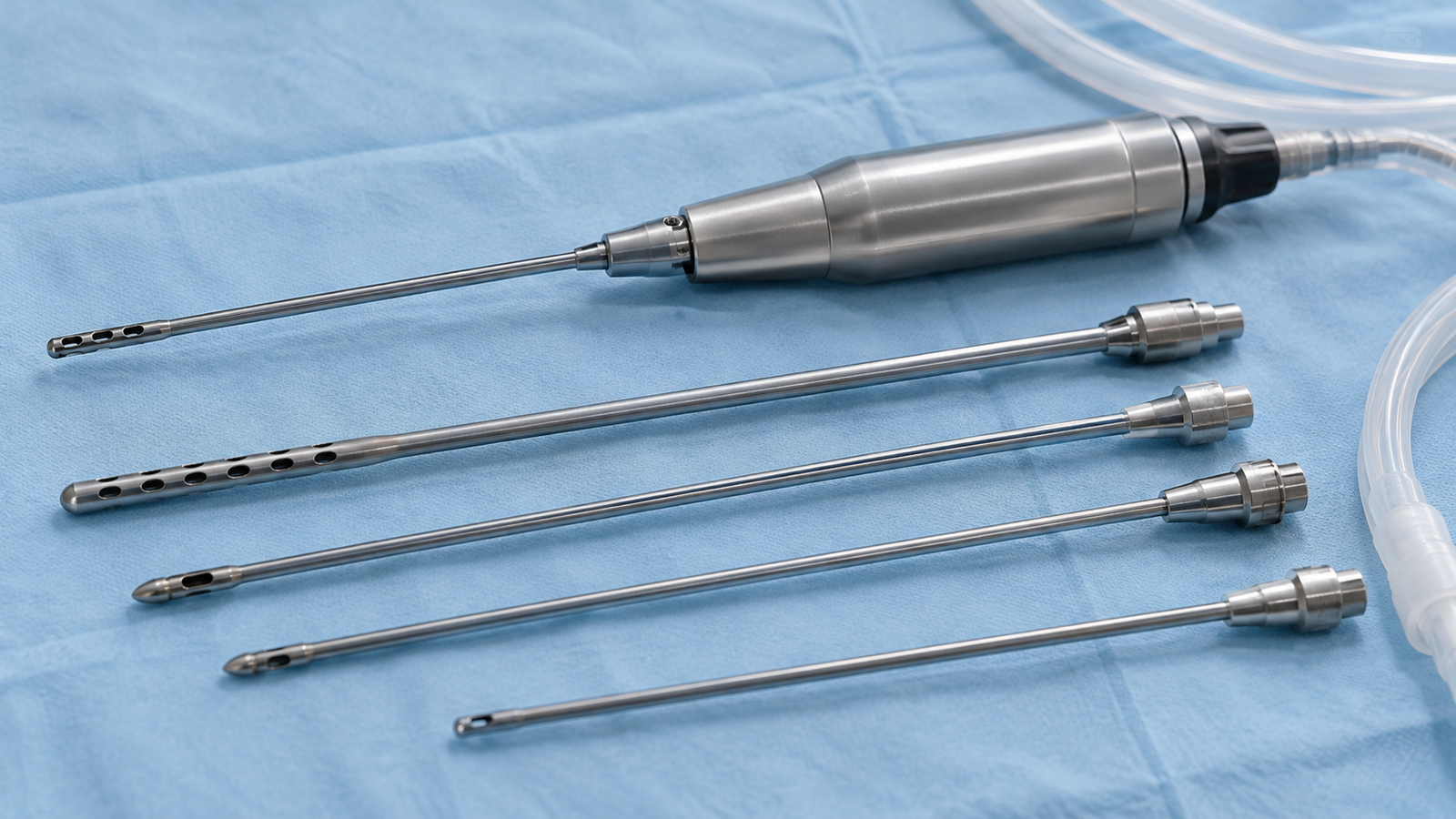
For men wanting removal of established gland, gland excision may be needed. Liposuction can address accompanying fat, but the surgical combination depends on the chest.
Learn more about Pure glandular gynecomastia surgery.
How do surgeons protect a muscular chest shape?
A muscular chest needs careful contour planning. The aim is to reduce unwanted gland while maintaining a smooth transition across the pectoral region.
A published surgical cohort found that patients with an anabolic steroid history had different tissue characteristics and needed careful gland excision and bleeding control. Such findings support individual planning rather than a standard operation for every bodybuilder.
Important planning points include:
- Assessing both sides: Muscle size, nipple position, and gland volume may differ.
- Blending tissue transitions: Abrupt changes beneath the skin can create visible steps.
- Maintaining nipple support: The surgeon must balance gland removal with avoiding an indentation.
- Using liposuction selectively: A lean chest may need different contouring from one with substantial fat.
- Discussing limitations: Scars, asymmetry, altered sensation, and contour irregularities remain possible.
The operation targets breast tissue rather than pectoral muscle. However, no surgeon can guarantee a particular bodybuilding appearance.
More training will not reliably remove a persistent gland. Read why the chest does not reduce with workouts.
What should you discuss with a gyno doctor near Piplod, Surat?
Bring a timeline of swelling, details of every cycle and supplement, previous hormone reports, and information about any medicines already tried.
Dr. Ashutosh Shah at Elegance Clinic has more than 22 years of surgical experience according to his published professional profile. Your consultation should address the diagnosis, whether medical assessment is needed first, and the contour trade-offs of surgery.
Also discuss training, competition dates, and your ability to follow recovery restrictions. These commitments affect scheduling, but they should not replace medical readiness.
Will the gland come back if you restart steroids?
Restarting a causative substance may recreate the hormonal conditions that contributed to enlargement. Surgery does not make future steroid use medically safe.
The amount of residual tissue, the substances used, and other health factors affect the situation. A precise recurrence percentage cannot be promised for an individual.
Do not assume that a promise of “complete removal” eliminates every future risk. Ask the surgeon to explain both the surgical plan and its limitations.
Recovery and returning to training
Plan a gradual return rather than an immediate return to heavy pressing, dips or intense posing.
General NHS guidance advises avoiding strenuous exercise, stretching and heavy lifting for about three weeks after male breast reduction, with return to normal activities taking around six weeks. Your operation may require different restrictions.
Follow-up should guide progression. Being comfortable at rest does not automatically mean the chest is ready for maximum loading.
Key takeaways
- Recent steroid-related swelling may improve after the trigger is addressed.
- Fibrosis develops gradually; twelve months is an approximate guide.
- Medicines require medical supervision and do not guarantee reversal.
- A persistent gland may need excision if you want surgical correction.
- Muscular chest contour and return to training require individual planning.