
Dressings and Drains After Gynecomastia Surgery
Most patients have dressings over their incisions after gynecomastia surgery, but not everyone needs a drain. A drain removes blood or tissue fluid that might collect beneath the skin. Whether you need one, how to manage it and when it is removed depend on your operation and recovery.
Before leaving the clinic, make sure you understand your dressing instructions and any drain-care plan. Ask for a demonstration if something is unclear.
Why Are Dressings Used After Surgery?
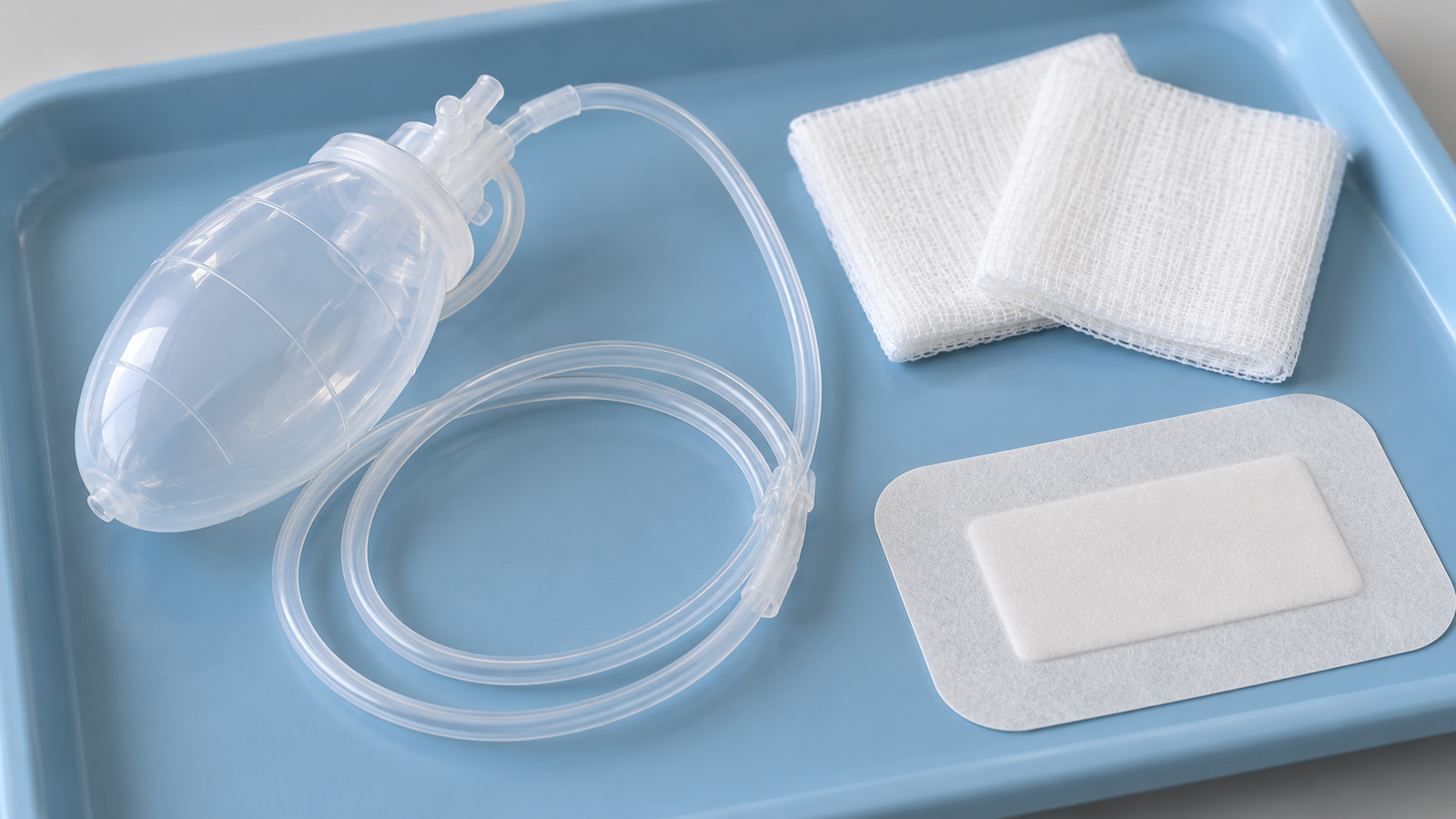
A gynecomastia surgery dressing covers and protects the incision during early healing. It may also absorb small amounts of fluid and reduce rubbing from clothing or a compression garment.
Depending on the operation, you may have adhesive dressings, gauze, surgical tape or skin adhesive. These do not all need the same care.
The American Society of Plastic Surgeons explains that dressings or bandages are applied after gynecomastia surgery, sometimes alongside a support garment and a temporary drain. Individual instructions should cover wound care, medicines and follow-up.
Ask which layers may be removed at home and which should remain until review. Do not peel away tape, pull at stitches or remove skin adhesive simply to inspect the incision.
Does Everyone Need Drains After Gynecomastia Surgery?
No. Some patients recover without drains, while others have one or more placed during the operation.
The decision can depend on the extent of tissue removal, the space beneath the skin, the surgical technique and the surgeon’s assessment. Skin-removal procedures or revision surgery may involve different considerations from a smaller operation.
A drain does not necessarily mean that the surgery was unusually difficult. Equally, a “drainless” operation does not mean that fluid collection is impossible.
Ask your surgeon:
- Is a drain likely in my case?
- Could that decision change during surgery?
- What type of drain might be used?
- Can I go home with it?
- Who will check and remove it?
What Does a Surgical Drain Do?
A drain is a small tube placed near the treated area to carry fluid into a collection device outside the body.
Some systems use a compressible bulb; others use a sealed suction bottle. Their handling instructions differ. Do not follow a video for a different device without checking with your team.
The drain usually has a stitch or another method of securing it. Keep it supported so the collection device does not hang and pull on the tube.
Although a drain helps remove fluid, it does not replace checks for bleeding, infection or swelling.
How Do You Care for a Drain at Home?
Your nurse should show you how to manage the particular drain you have. If a companion will help, include them in the demonstration.
The usual principles are:
- Clean your hands before handling the device or dressing.
- Keep the tube secure and avoid pulling on it.
- Follow the instructions for positioning the collection device.
- Check that the system is working as demonstrated.
- Record the amount and appearance of fluid if requested.
- Keep the clinic’s contact details available.
If you have more than one drain, record each separately. Memorial Sloan Kettering’s drain guidance emphasises separate records and securing the collection bulb rather than letting it dangle.
Do not remove, flush, disconnect or reposition a drain yourself. Only empty the device or perform other handling steps if your team has specifically taught you to do so. Do not squeeze or “milk” the tubing unless instructed for your device.
What Should Drain Fluid Look Like?
Fluid may initially be blood-stained and become lighter as recovery progresses. The expected appearance and amount depend on the procedure and drain system.
The trend matters as well as the colour. Report a sudden increase, new bright-red drainage, an unexpected stop in drainage, or fluid leaking around the tube.
A lower amount does not always mean the drain is ready for removal; it can also indicate a blockage. New swelling or pressure alongside reduced drainage needs prompt advice.
Use the reporting thresholds your own team provides rather than borrowing another patient’s daily volume limit.
Dressing and Drain Concerns: What Should You Do?
| Concern | What it may mean | What to do | Urgency |
|---|---|---|---|
| Small, stable dressing stain | Minor early wound drainage | Monitor according to your instructions | Ask if uncertain or the stain grows |
| Dressing becomes soaked or unsealed | It may no longer protect the wound adequately | Arrange replacement as instructed | Contact the clinic promptly |
| Drainage suddenly stops | Reduced fluid production, a kink or blockage | Check only as taught; do not flush or manipulate | Prompt advice, especially with swelling |
| New bright-red drainage or rapid swelling | Possible bleeding | Contact the surgical team immediately | Urgent assessment |
| Leakage around the tube | The drain may not be working as expected | Cover with a clean absorbent dressing and seek advice | Prompt review |
| Drain partly or completely comes out | Accidental displacement | Do not push it back in; protect the site | Contact the team immediately |
| Increasing redness, warmth, pain or pus | Possible infection | Arrange medical assessment | Prompt assessment; urgent if unwell |
| Chest pain or breathing difficulty | Potential serious complication | Seek emergency medical care | Immediately |
When Are Drains Removed?
There is no fixed removal day suitable for everyone.
The surgeon considers the amount of drainage, its trend, the wound, and the type of operation. Removal should follow a clinical decision rather than a date alone.
Hospital guidance explains that drain output helps determine readiness for removal and that the procedure is usually quick. Some patients feel brief pulling or mild discomfort.
Do not remove the drain because the container looks empty or because another patient had theirs removed sooner.
Before discharge, confirm:
- Where removal will take place.
- Whether you need to send or bring a drainage record.
- Who to contact if the planned appointment changes.
- How to care for the small opening afterwards.
When Can You Shower or Change Dressings?
Your instructions depend on the dressing, incision, and drain.
Some dressings tolerate a brief shower; others must stay dry or be replaced if wet. A general showering timeline does not override the advice for your operation.
Ask whether you may shower with the drain present, how to support it and whether a waterproof covering is required. Avoid bathing or swimming until the team confirms that soaking is appropriate.
If a dressing becomes wet, dirty, loose or soaked, it may need changing. NHS wound-care guidance recommends hand hygiene, avoiding touching the wound and keeping the clean side of the replacement dressing untouched.
If you have not been shown how to change it, contact the clinic. Do not apply antiseptic creams, powders, oils or scar products without advice.
Follow the clinic’s post-operative guidelines alongside your individual discharge plan.
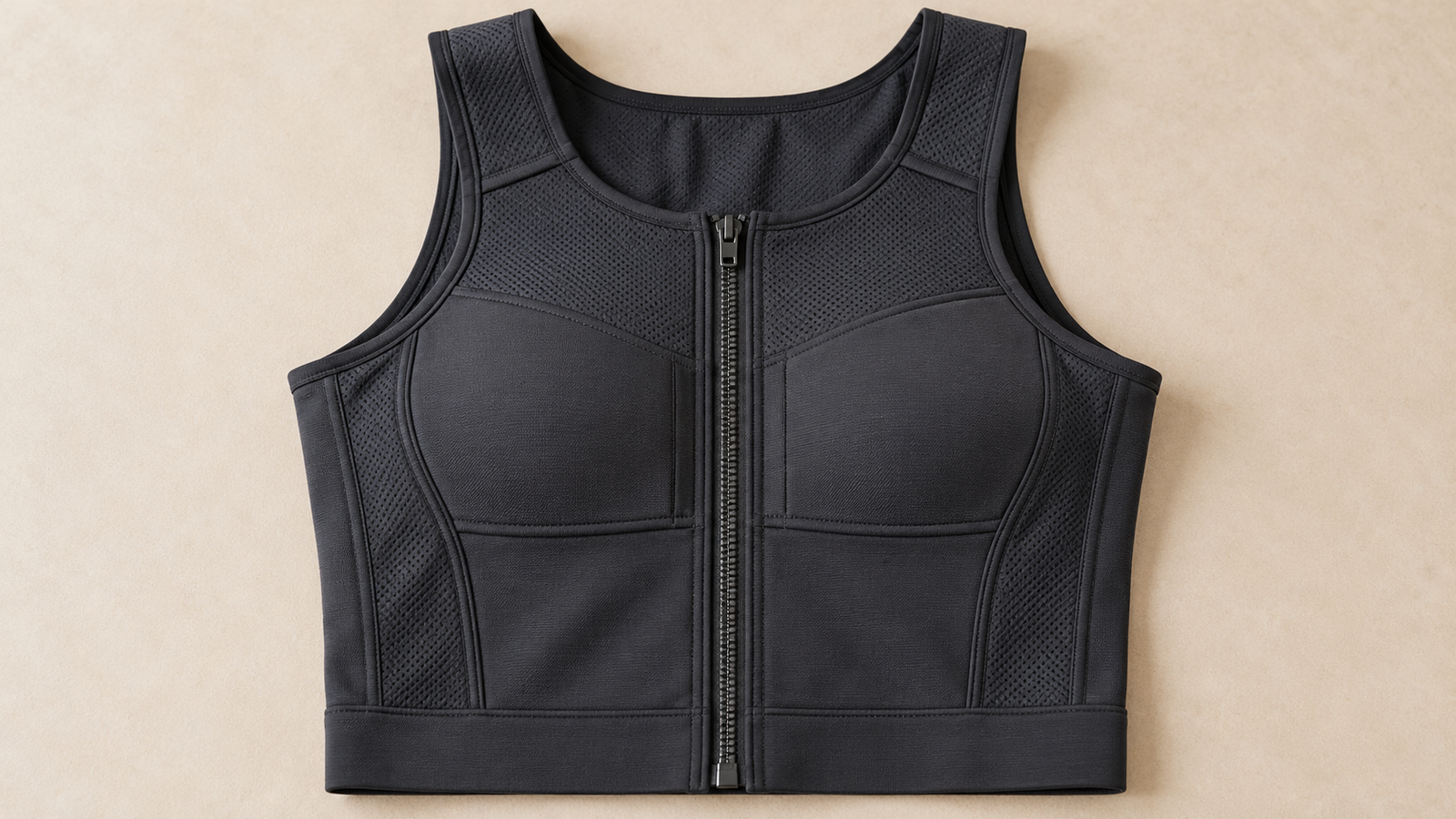
Can You Wear a Compression Vest Over a Drain?
Often, the garment and drain can be managed together, but the team should show you the correct arrangement.
The vest should not kink the tube, pull on its entry point, or press the collection device painfully against your chest. Take care when dressing, sleeping, and moving around.
Do not cut holes in the garment, add padding, or tighten it to manage leakage without asking first.
Read the compression vest after gynecomastia surgery guide for more on fit and wear instructions.
Which Wound Changes Need Medical Attention?
Contact your surgical team for worsening pain, spreading redness, increasing warmth, pus, an unpleasant smell, or wound opening. Fever or feeling generally unwell alongside wound changes also needs assessment. These are recognised signs of possible wound infection.
Rapid chest swelling, significant bleeding or severe pain needs urgent review.
Seek emergency medical attention for shortness of breath, chest pain or an unusual heartbeat. Do not wait for a routine appointment or a reply to a photograph.
What Should You Confirm Before Going Home?
At Elegance Clinic, ask for a written plan identifying who to contact during the day and outside normal hours.
Dr. Ashutosh Shah, MBBS, MS, MCh and DNB, a plastic and reconstructive surgeon, can discuss whether drains are likely for your procedure and how follow-up will be arranged.
Before leaving, check that you understand your medicines, dressing changes, drain monitoring, and first review appointment. The gynecomastia day care surgery guide explains discharge arrangements.