
Can a Surgeon Grade Your Gynecomastia From Photos? What a Video Consultation Can and Cannot Decide
A gynecomastia online consultation can help a surgeon estimate chest enlargement, visible skin excess, and possible treatment options. Clear photographs may also support a provisional cost range. They cannot reliably distinguish gland from fat, rule out a suspicious lump, or provide final surgical clearance. Those decisions require an in-person assessment.
An online appointment is useful when you want an initial opinion before travelling or arranging time off. Understanding its limits helps you prepare and avoids treating a preliminary plan as a confirmed operation.
What Can a Surgeon Assess From Photographs?
Clear photographs can show the overall chest shape and how enlargement affects its contours.
A surgeon may assess:
- The apparent amount of enlargement.
- Whether one side looks fuller than the other.
- Nipple and areola position.
- Visible skin folds or sagging.
- Existing scars.
- Whether skin removal might need discussion.
These findings can support an estimated grade, but photographs do not provide a complete assessment. Lighting, posture, and camera angle can make enlargement look more or less pronounced.
Different grading systems also describe the chest differently. Ask which system the surgeon uses and what the estimated grade means for treatment. The Gynecomastia grades explained guide provides further background.
ASPS describes telehealth as useful for initial planning while emphasising that an in-person examination may lead to adjustments before surgery.
Which Five Photographs Should You Send?
Ask the clinic for its instructions before taking or sending images. A useful starting set includes one front view, two oblique views and two side views.
These five views are a practical preparation guide, rather than a universal requirement. Your surgeon may request additional photographs or arm positions.
| View | How to stand | Lighting | What the surgeon looks for |
|---|---|---|---|
| Front | Face the camera, shoulders level and arms relaxed | Even light across both sides | Overall fullness, nipple position and visible asymmetry |
| Left oblique | Turn approximately halfway towards your left side | Keep the same lighting | Chest projection and the transition towards the side |
| Right oblique | Repeat towards your right side | Match the left oblique view | Comparison of projection and contour |
| Left side | Stand side-on without twisting or flexing | Avoid a strong shadow across the chest | Projection, skin drape and lower chest fold |
| Right side | Repeat on the other side | Match the previous side view | Differences between sides |
Keep the setup consistent
Use a plain background and place the camera at approximately chest height. Stand far enough away to include the entire chest and upper abdomen without using a wide-angle close-up.
Keep your posture natural. Do not flex, pull your shoulders backwards, or suck in your abdomen to change the appearance.
Avoid filters, skin smoothing, and contour edits. Check that the photographs are sharp before submitting them. Standard plastic surgery photography guidance recommends consistent posture, clear lighting, and unedited images from multiple angles.
Follow the clinic’s instructions about clothing
Clothing can hide the chest contour, so the clinician may request photographs of the uncovered chest. Take these privately and submit them only through the agreed clinical channel.
Do not include genital areas or other unnecessary body regions. If you are uncomfortable, ask whether the appointment can begin with a discussion and an in-person examination instead.
Do You Need to Show Your Face?
For photographs intended to assess chest shape, the face is generally unnecessary. Ask the clinic whether you can frame the images from the neck down while keeping the required chest area visible.
However, excluding your face does not make an image completely anonymous. Tattoos, distinctive marks, room details, and file information may identify you.
Your identity may still need to be verified separately for the consultation. Telemedicine guidance distinguishes clinical identity verification from the information needed in a particular photograph.
What Cannot Be Decided Without Examining the Chest?
A gynecomastia online consultation cannot replace the ability to feel the tissues.
An examination helps the clinician assess:
- Whether fullness contains palpable gland, fat, or both.
- The consistency and mobility of a lump.
- Tenderness.
- Skin quality and how it moves.
- Findings that suggest another diagnosis.
The European Academy of Andrology recommends a medical history and physical examination to distinguish glandular gynecomastia from fatty enlargement and assess concerning findings. Imaging may help when the examination is uncertain.
A surgeon may suspect gland from the photographs and history, but should explain the uncertainty. Read Fat or gland tissue? For more detail.
Online photographs also cannot establish that you are medically fit for surgery or anaesthesia. That requires an appropriate assessment and any necessary investigations.
Which Symptoms Should Not Wait for a Photo Opinion?
Tell the clinician if you have a new or rapidly changing lump, nipple discharge, a nipple pulling inward, skin changes or persistent pain.
Photographs may show some visible changes, but a reassuring image cannot rule out a concerning lump. Clinical guidance stresses assessing onset, growth, tenderness, medicines and associated symptoms alongside examination.
If these symptoms are present, arrange a timely in-person medical assessment rather than waiting for cosmetic grading or a cost estimate.
How Should Medical Photographs Be Shared and Stored?
Before sending images, confirm that you are communicating with the clinic’s official contact or submission system.
Ask:
- Who receives and views the photographs?
- Are they added to a clinical record?
- Where are they stored?
- How long are they retained?
- What happens if you decide against treatment?
- How can you request information about access or deletion?
Clinical consent and permission to use photographs for teaching, advertising or social media should be discussed separately. Do not assume that sending a photograph permits publication.
Telemedicine practice guidance requires clinicians to protect patient privacy and confidentiality when handling and transferring information. That requirement does not establish any particular clinic’s actual storage arrangements.
Avoid public comments, social media groups, or unverified personal accounts for sending clinical images. You can use Send your details to request the appropriate consultation and submission instructions.
Can You Receive an Exact Quote Online?
Photographs may help the surgeon provide a provisional range, but the final quote can depend on findings that are clearer during examination.
For example, the proposed treatment may change if there is more gland, less skin elasticity or a need for skin removal.
Ask what the estimate includes:
- Surgical and anaesthesia fees.
- Facility or admission charges.
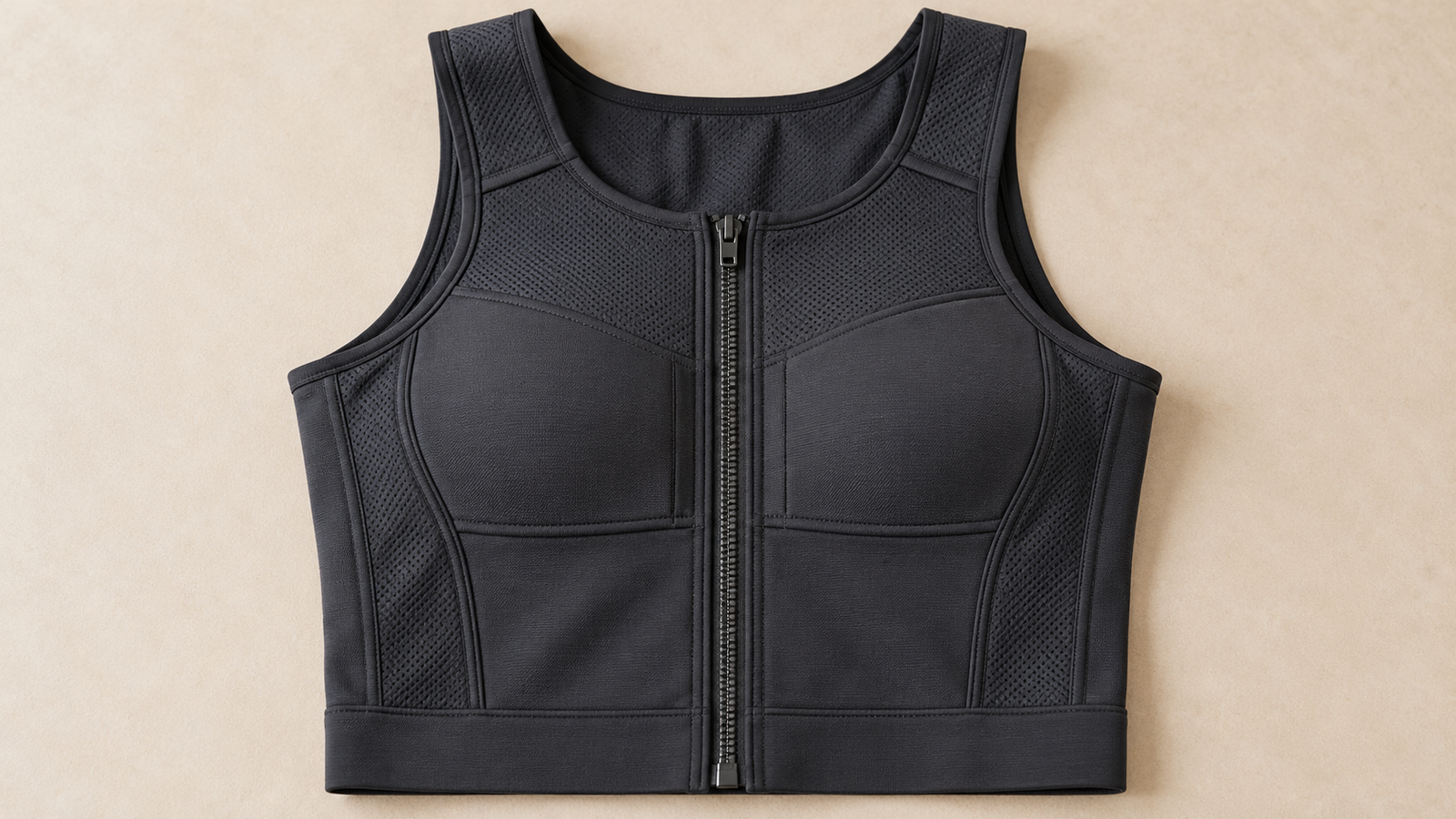
- Tests, garments and medicines.
- Follow-up appointments.
- Any additional treatment that may become necessary.
Get the confirmed plan and costs in writing before committing to surgery.
Why Might the Treatment Plan Change After Examination?
A revised plan does not necessarily mean that the online consultation was unhelpful. It may reflect information that photographs could not provide.
The surgeon may recommend a different combination of liposuction, gland excision, or skin removal. Alternatively, further investigation or observation may be more appropriate than surgery.
During a consultation with Dr. Ashutosh Shah, MBBS, MS, MCh and DNB, a plastic and reconstructive surgeon, ask which parts of the initial opinion remain provisional and what the examination must confirm.
The Support for out-of-station patients page describes video consultation arrangements and assistance with planning visits.
How Do You Prepare for a gynecomastia online consultation in Bangalore?
Prepare a short history alongside the photographs:
- When the enlargement began.
- Whether it affects one or both sides.
- Any pain, discharge or recent growth.
- Weight changes.
- Medicines, supplements and steroid use.
- Previous chest operations or relevant reports.
Choose a private room with a stable internet connection. Have your questions ready and ask how the consultation will be documented.
Contact Elegance Clinic to confirm the appointment format, fee, and image-submission process before sending photographs.