

Gynecomastia Day Care Surgery: Can You Go Home Same Day?
Many patients can go home on the day of gynecomastia surgery once they have recovered sufficiently from anaesthesia and passed discharge checks. Pain and nausea should be controlled, the chest should show no concerning bleeding or swelling, and suitable support must be available at home. Some patients need overnight observation.
Gynecomastia day care surgery means having the operation and leaving the facility on the same day. It does not mean that recovery is complete or that every patient will qualify for same-day discharge.
Who Can Have Gynecomastia as Day Care Surgery?
Day care may be appropriate when the planned procedure, your health and your recovery arrangements allow you to go home safely.
The team considers:
- Your medical conditions and medicines.
- The extent of fat, gland and skin removal.
- The expected length of surgery.
- The anaesthetic plan.
- Your recovery after the operation.
- Whether someone can accompany you home and stay with you.
- How easily you can return for urgent assessment.
The Aesthetic Society describes gynecomastia surgery as usually outpatient, with discharge after observation unless an overnight stay is agreed or required.
A smaller operation does not guarantee discharge. Equally, having general anaesthesia does not automatically require an overnight admission.
What Happens After the Operation?
After surgery, you move to a recovery area where staff monitor your condition.
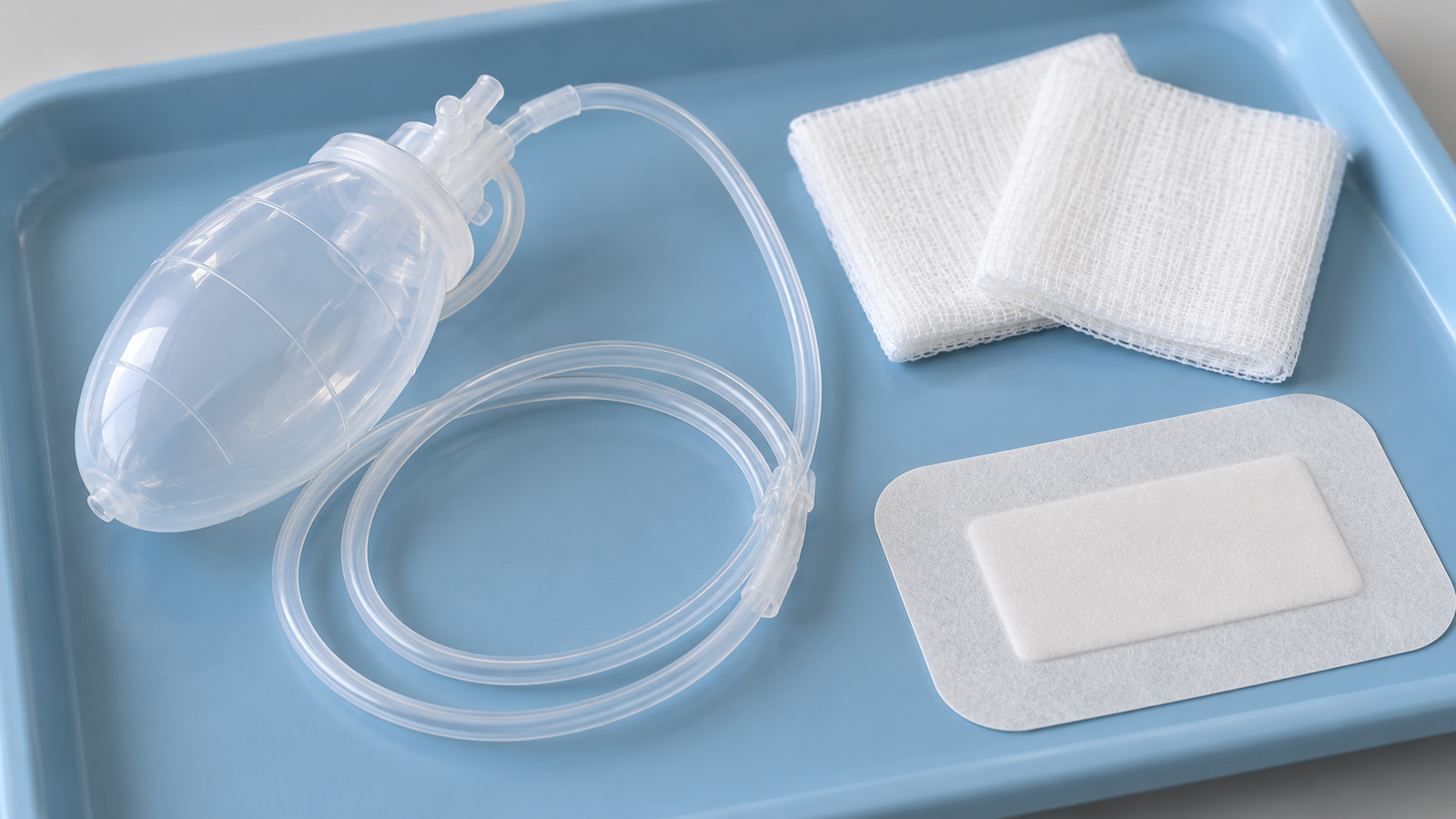
You may initially feel sleepy, cold, nauseated or sore. Dressings and a compression garment may cover the chest. Some patients also have a drain.
Staff check your recovery and provide treatment for pain or sickness when needed. You should tell them if you feel unusually dizzy, have increasing chest discomfort or notice a change in swelling.
Do not book your transport around a promised departure time. The team needs to assess your actual recovery before confirming that you can leave.
What Checks Come Before Discharge?
The discharge decision depends on your condition rather than the clock alone.
Common checks include being sufficiently awake, having stable observations, being able to drink, moving safely, and having acceptable pain and nausea control. The team also checks the wound and your arrangements for care at home. Published day-surgery criteria include these factors, alongside minimal bleeding and clear medication instructions.
Same-Day Discharge Checklist
| Discharge factor | Supports going home | Reason to continue observation |
|---|---|---|
| Alertness | Awake enough to communicate and understand instructions | Excessive drowsiness, confusion or delayed recovery |
| Breathing and observations | Stable and satisfactory for the individual | Breathing concerns or unstable observations |
| Pain | Controlled with the planned medicines | Severe pain or a need for repeated additional treatment |
| Nausea | Controlled and able to tolerate fluids | Persistent vomiting or inability to drink |
| Chest and dressings | No concerning bleeding or rapidly increasing swelling | Bleeding, expanding swelling or another wound concern |
| Movement | Able to get up and move safely as appropriate | Significant dizziness or difficulty mobilising |
| Home support | Suitable transport and a responsible adult available | No safe escort or support arrangement |
| Instructions | Patient and companion understand the care plan | Further teaching or practical arrangements needed |
Your facility may have additional requirements based on the anaesthetic and operation.
Can You Go Home After General Anaesthesia?
Yes, selected patients can leave on the same day after general anaesthesia.
However, feeling awake does not mean that judgement, coordination and reaction time have completely recovered. NHS guidance advises that anaesthetic effects can last around 24 hours and that someone should collect you and stay with you.
Follow the team’s restrictions after general anaesthesia or sedation. These usually include avoiding driving, alcohol, machinery and important decisions for at least the specified recovery period.
If you have local anaesthesia without sedation, your instructions may differ. Confirm your transport and supervision requirements in advance.
Read Is gynecomastia surgery painful? for an explanation of anaesthesia and postoperative discomfort.
When Is an Overnight Stay Needed?
An overnight stay may be planned before surgery or recommended during recovery.
Possible reasons include:
- A more extensive procedure needing closer observation.
- A medical condition that changes monitoring needs.
- Slower recovery from anaesthesia.
- Pain or nausea that remains difficult to control.
- Concern about bleeding or swelling.
- Difficulty drinking or moving safely.
- Unsuitable transport or support at home.
Day-surgery services recognise that a more complicated procedure or prolonged recovery can lead to an overnight admission.
Staying overnight is not necessarily a sign that something has gone wrong. It may be the most appropriate way to monitor your progress.
Ask before surgery what happens if an unplanned admission is necessary and whether additional charges may apply.
How Long Is the Gynecomastia Surgery Hospital Stay?
There is no single number of hours that applies to everyone.
Your total visit includes admission, preparation, surgery and postoperative observation. Recovery time varies with the anaesthetic, the procedure and how you feel afterwards.
Ask the clinic for an estimated arrival and collection window, but keep the rest of the day flexible. Your companion should be reachable and able to collect you when the team confirms discharge.
Avoid scheduling work, a long journey or an important commitment immediately after the operation.
Can You Go Home With a Drain?
Sometimes. A drain does not automatically mean that you must remain in hospital, but the surgeon must decide whether discharge is appropriate.
If you go home with one, you and your companion should understand:
- How to keep it secure.
- Whether and how to record drainage.
- What changes to report.
- Who to contact if it leaks, disconnects, or stops working.
- When it will be checked or removed.
Ask for a demonstration and written instructions. Do not remove, flush or adjust a drain unless your team has specifically instructed you to do so.
What Should You Arrange for the First Night?
Arrange a responsible adult to take you home and remain available during the initial recovery period.
ASPS specifically recommends that someone drive you to and from gynecomastia surgery and stay with you for at least the first night.
Prepare the following before the operation:
- Prescribed medicines and clear dosing instructions.
- Comfortable clothing that is easy to put on.
- Simple meals and drinking water within reach.
- A suitable place to rest.
- A charged phone and the clinic’s contact numbers.
- Help with children, pets and household tasks.
Your companion should know how to recognise concerning symptoms and how to obtain help.
Follow your instructions about gentle movement, sleeping position, dressings and garment use. The post-operative guidelines should support your individual discharge plan.
What If You Live Far From the Clinic?
Same-day discharge does not automatically mean same-day long-distance travel.
Tell the surgeon how far you need to travel, how you plan to get there, and whether you can return quickly if a problem develops. Staying nearby with a companion may be more practical than a long journey immediately after surgery.
For a planned trip, ask:
- Should I stay near the facility for the first night?
- When is my first wound check?
- Who should assess me if symptoms develop away from the clinic?
- When is my proposed journey reasonable?
The support for out-of-station patients page provides a starting point for discussing travel arrangements.
Which Symptoms Need Urgent Help at Home?
Contact the surgical team promptly for rapidly increasing swelling, significant bleeding, worsening pain, fever, unusual wound discharge, or repeated vomiting.
Seek emergency medical attention for shortness of breath, chest pain, collapse or marked difficulty staying awake. A painful, swollen calf also requires urgent assessment. Day-surgery discharge guidance identifies breathing problems, chest pain, calf symptoms and increasing wound problems as reasons to seek medical advice.
Before leaving, make sure you have an out-of-hours plan. Do not rely solely on sending a photograph or message if symptoms are severe.
What Should You Confirm at the Consultation?
At Elegance Clinic, ask whether day care is the intended plan for your procedure and what circumstances could change it.
Dr. Ashutosh Shah, MBBS, MS, MCh and DNB, a plastic and reconstructive surgeon, can discuss the surgical plan and expected recovery. The anaesthesia team should explain any additional monitoring or supervision requirements.
Request written details covering discharge, medicines, follow-up and emergency contact arrangements. The recovery after male breast reduction guide can help you prepare further questions.