
Gym and Work After Gynecomastia Surgery: A Timeline
Many patients return to desk work within one to two weeks after gynecomastia surgery, while physical jobs need longer or modified duties. Gentle walking usually begins early. Gym training returns gradually after the surgeon checks healing, often around six weeks or later for strenuous exercise. Skin removal or complications can extend recovery.
Feeling comfortable enough to work does not mean your chest is ready for weight training. Returning to gym after gynecomastia surgery requires a separate discussion about the exercises, loads and movements you plan to perform.
Why Does Recovery Time Vary?
Your gynecomastia surgery recovery time depends on the extent of treatment and how your wounds heal.
Liposuction alone, gland removal and surgery involving excess skin can create different recovery needs. Other factors include medical conditions, smoking, postoperative swelling and the demands of your job.
Published advice also varies. The Aesthetic Society describes a return to work around one week for some patients, whereas ISAPS advises that one to two weeks off is usual and exercise may resume after six to eight weeks. These ranges underline why your surgeon’s instructions take priority.
Work and Exercise Recovery Timeline
This table offers planning ranges for an uncomplicated recovery. It does not provide automatic permission to start an activity.
| Recovery stage | Work activities | Exercise | Main restrictions | Clearance needed |
|---|---|---|---|---|
| First few days | Recovery leave | Short, gentle walks as advised | Avoid lifting, straining, and strenuous activity | Follow discharge instructions |
| Around weeks 1–2 | Some patients resume desk work or shorter hours | Gradually increase comfortable walking | Avoid heavy bags, repetitive reaching and gym workouts | Confirm work readiness |
| Around weeks 3–4 | Light duties may increase | Selected low-impact activity may be considered | Heavy lifting and chest loading may remain restricted | Ask before adding exercise |
| Around weeks 6–8 | Many patients progress towards usual duties | Gradual gym return may be appropriate | Avoid immediately resuming previous weights or intensity | Obtain exercise clearance |
| Later recovery | Full duties when suitable | Progressive strength and sport training | Adjust for symptoms and any ongoing wound concerns | Individual review after extensive surgery or complications |
More extensive skin removal may require a slower progression.
When Can You Return to Desk Work?
Some patients can manage desk work after about a week, while others need closer to two weeks or longer.
Before returning, consider whether you can:
- Sit comfortably and concentrate.
- Use a keyboard without painful reaching.
- Travel to work safely.
- Manage your medicines without troublesome drowsiness.
- Follow dressing and garment instructions.
- Take short movement breaks.
A shorter first day or temporary work-from-home arrangement may help.
The commute matters too. Carrying a laptop bag, standing on crowded transport, or reaching overhead can make an otherwise sedentary job more demanding.
Ask for written restrictions if your employer needs them. Your return to work after gynecomastia surgery should reflect your actual duties.
How Does Recovery Differ for Physical Jobs?
Jobs involving lifting, pushing, pulling, or repeated arm movement often require more recovery time.
Examples include warehouse work, construction, mechanical work, and patient handling. Even bench work can involve sustained forward reaching or pressure against the chest.
Discuss the movements involved rather than simply describing your job as “light” or “heavy.” Ask whether you need temporary restrictions on:
- Lifting and carrying.
- Overhead work.
- Forceful pushing or pulling.
- Repetitive reaching.
- Protective equipment that presses on the chest.
Hospital aftercare guidance recognises that people doing physically demanding work may need longer away from work than those with less demanding roles.
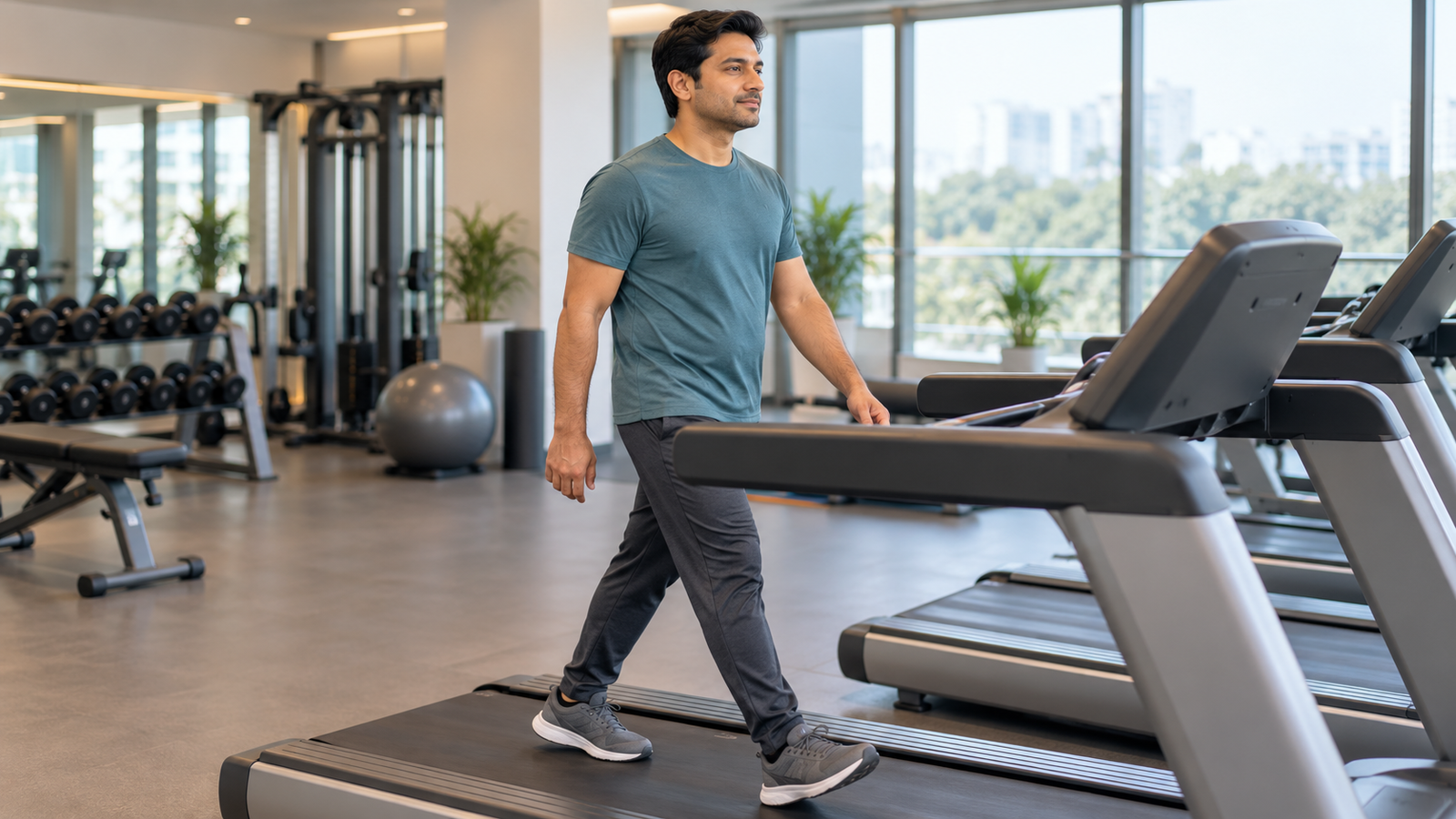
When Can You Start Walking?
Gentle walking is different from a workout.
Once the team says you can move safely, short walks around the home help you avoid prolonged immobility. Increase gradually according to your instructions and comfort.
General NHS postoperative guidance encourages early movement where possible because remaining in bed for long periods increases the risk of blood pooling in the legs.
Do not turn an early walk into a step-count challenge. Slow down if you become dizzy, unusually tired or uncomfortable.
When Can You Restart Cardio?
Cardio is not one activity. An easy walk places different demands on the chest from running, rowing or a vigorous exercise class.
Your surgeon may allow selected low-impact activity before higher-impact exercise. Before starting, ask about the specific machine or activity you intend to use.
Consider:
- Does it involve bouncing or chest movement?
- Do you need to support your weight through your arms?
- Does it require forceful pulling?
- Could equipment rub against the incisions?
- Can you stop easily if uncomfortable?
Swimming should wait until wounds have healed and the surgeon agrees that immersion and arm movements are suitable. NHS recovery guidance advises avoiding pools until the wound has completely healed or the treating team confirms it is safe.
When Can You Lift Weights or Train Your Chest?
A return to gym after gynecomastia surgery should begin with clearance for resistance exercise.
Push-ups, bench presses, chest flyes, dips and heavy overhead movements load or stretch the healing chest. They may need to wait longer than walking or selected light cardio.
BAAPS advises avoiding exercise for about three weeks and notes that returning to completely normal activities generally takes about six weeks. This is broad guidance, rather than clearance for maximum lifting at six weeks.
Before chest training, ask the surgeon to confirm that wound healing, swelling, and movement are satisfactory.
Do not use the absence of pain as your only test. Healing tissue can still need protection even when daily activities feel comfortable.
Is Leg Training Safe Before Chest Training?
Not automatically.
Heavy squats, deadlifts and leg presses can involve strong bracing, breath-holding and gripping. Loading plates or positioning a bar also requires upper-body effort.
Tell your surgeon exactly what “leg day” involves. An approved light exercise may be appropriate before a heavy compound lift, but the muscle group named in the workout does not determine its safety.
Avoid using leg training as a way around lifting restrictions.
How Should You Restart Gym Sessions?
Once cleared, treat the first sessions as a gradual return rather than a fitness test.
- Start below your previous workload. Use a load and duration agreed with your surgeon.
- Choose controlled movements. Avoid explosive repetitions or training to failure initially.
- Increase one factor at a time. Do not raise weight, repetitions, and session length together.
- Check your response afterwards. Notice any new pain, swelling, or wound irritation.
- Keep follow-up appointments. Discuss symptoms before progressing further.
Do not take extra pain medicine to push through a workout. Ask your surgeon before beginning deep massage, aggressive stretching, or other treatments intended to speed recovery.
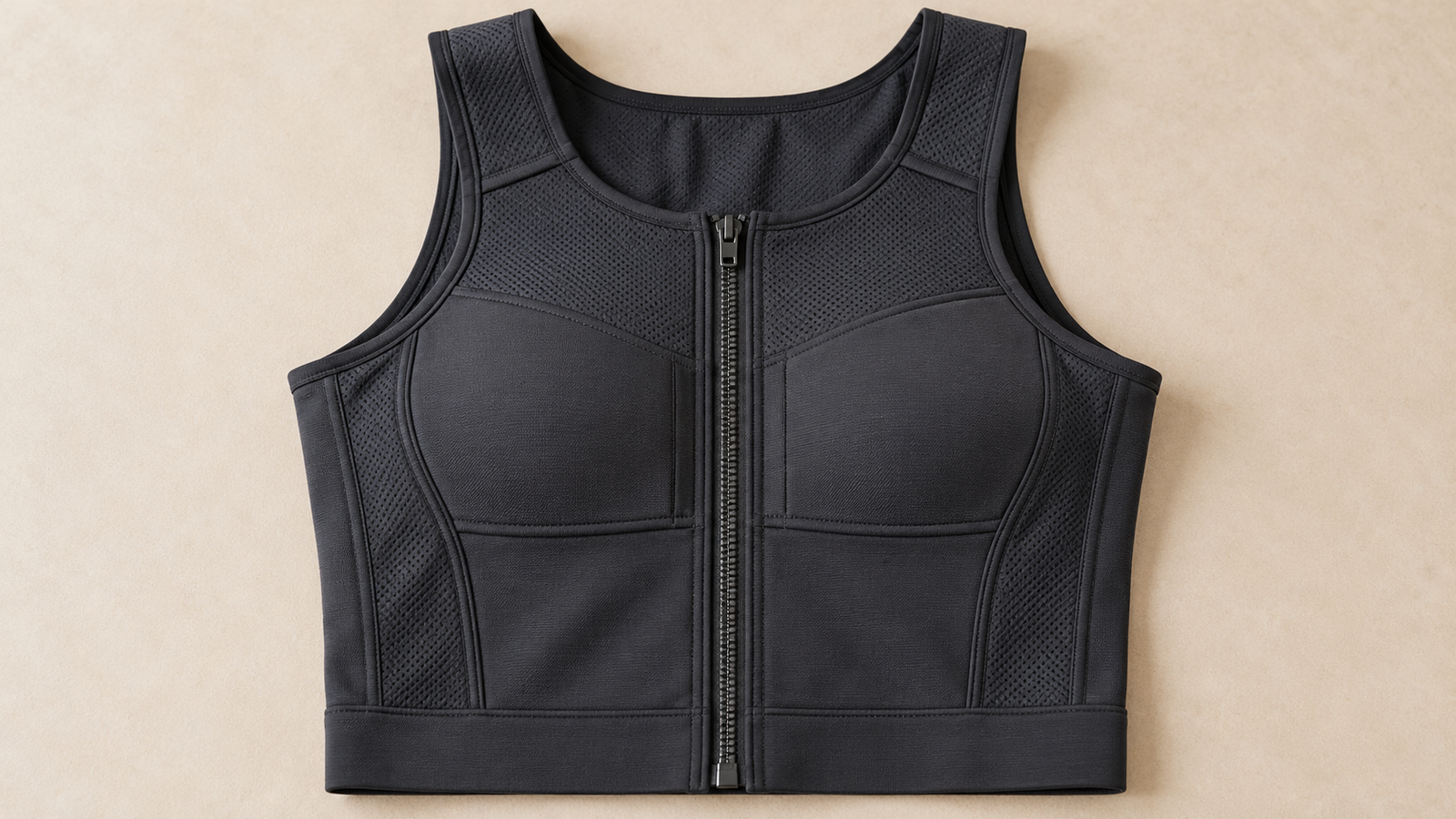
Can You Exercise While Wearing the Compression Vest?
A compression vest does not make restricted exercise safe.
Wear it according to your surgeon’s instructions, including any advice about exercise, washing, and fit. It should not cause breathing restriction, skin injury, or severe discomfort.
Do not tighten it beyond the prescribed fit to control swelling after a workout. Read the compression vest rules alongside your individual instructions.
Which Symptoms Mean You Should Stop Exercising?
Stop the activity and contact your surgical team if you develop:
- New or increasing chest pain.
- Sudden or distinctly one-sided swelling.
- Bleeding or wound opening.
- Increasing redness, warmth or discharge.
- Symptoms that repeatedly return with exercise.
Do not assume swelling is an ordinary response to training. It may need examination before you continue.
Seek emergency medical attention for shortness of breath, chest pain or an unusual heartbeat. ASPS identifies these as symptoms requiring immediate assessment after gynecomastia surgery.
How Can You Get a Personal Work and Gym Plan?
Before surgery, explain your work duties and training routine in detail.
At Elegance Clinic, ask for a written plan covering walking, work, lifting, and exercise reviews. Dr. Ashutosh Shah, MBBS, MS, MCh and DNB, a plastic and reconstructive surgeon, can discuss how the planned procedure affects these restrictions.
Useful questions include:
- When should I review readiness for desk work?
- What modified duties should I request?
- Which exercises need separate clearance?
- Does skin removal change my restrictions?
- What symptoms should delay progression?
The recovery after male breast reduction guide and post-operative guidelines provide further information.