
Compression Vest After Gynecomastia Surgery: Why It Matters
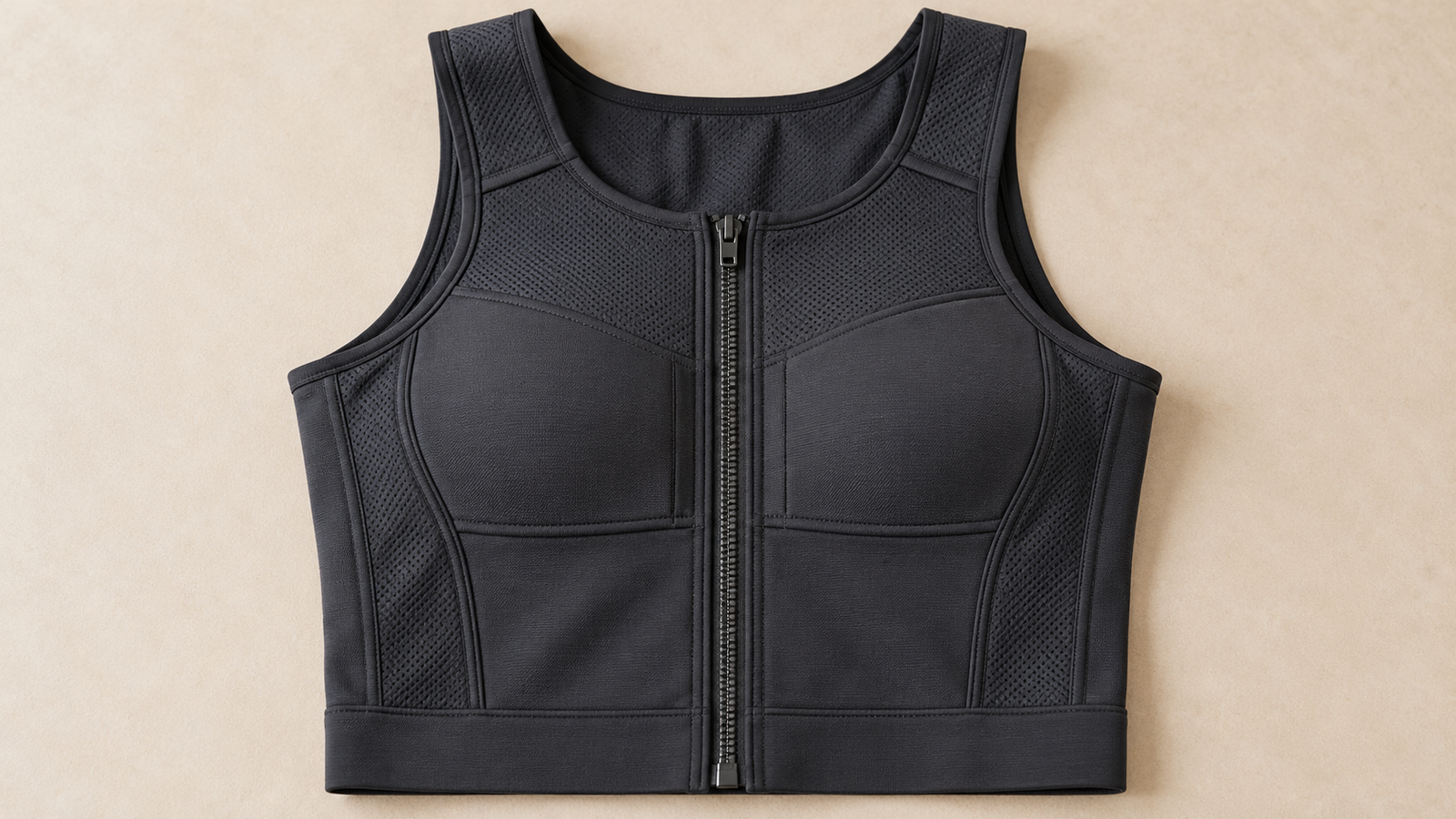
A compression vest after gynecomastia surgery supports the healing chest and may help manage swelling and discomfort. The correct fit and wear schedule depend on your operation and recovery. It should feel supportive without causing pain or breathing restriction. Tighter compression or longer wear does not guarantee a better result.
Before leaving the clinic, ask how to put the vest on, when you may remove it, and which symptoms mean the fit needs checking.
Why Is a Compression Vest Prescribed?
After fat or gland removal, the chest can feel swollen, tender and unfamiliar. A gynecomastia compression garment provides support while the tissues heal.
The American Society of Plastic Surgeons explains that an elastic bandage or support garment may be used to minimise swelling and support the chest contour during recovery.
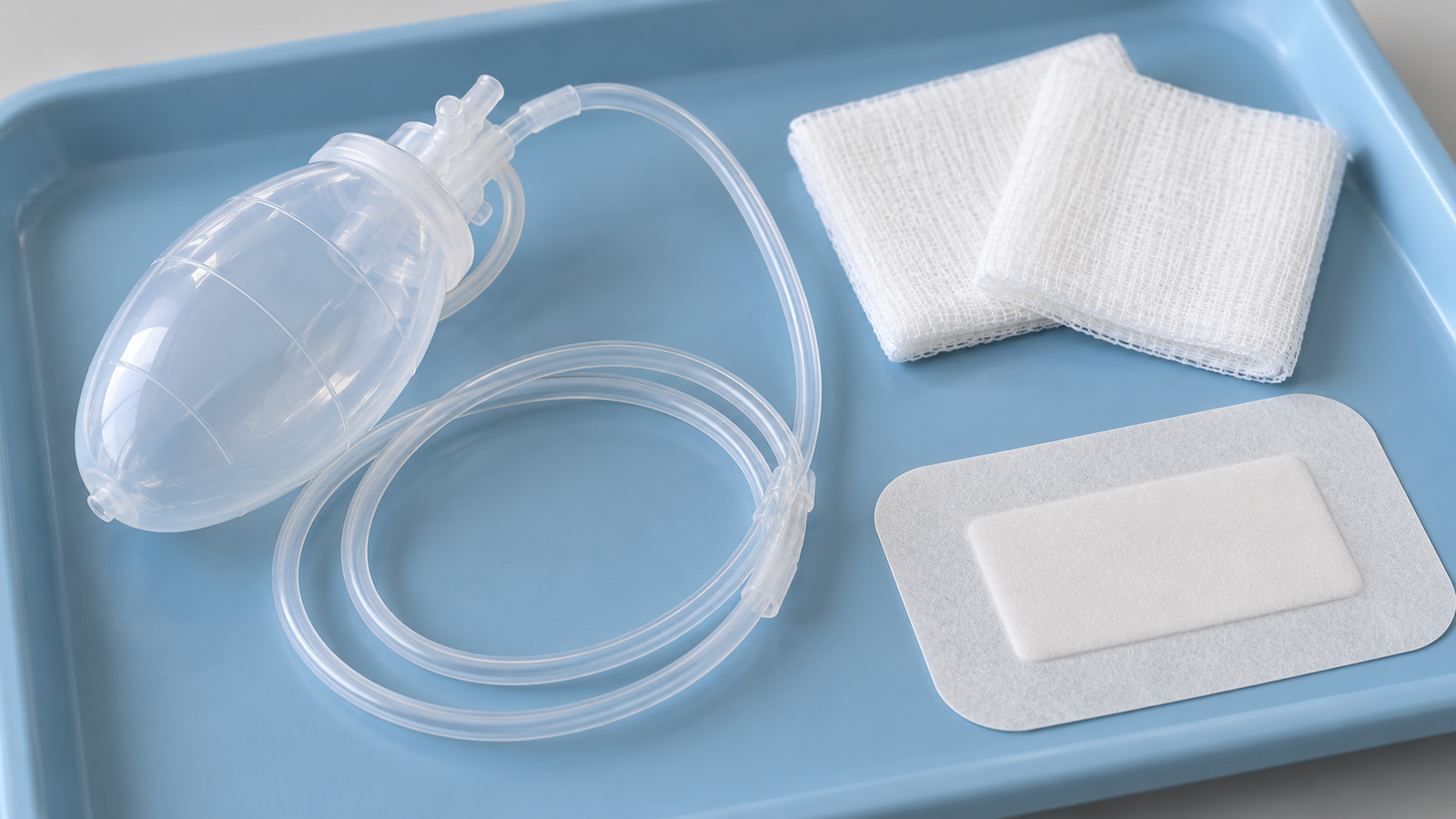
Your surgeon may recommend a particular garment according to the amount of liposuction, gland removal, skin excision, and any dressings or drains.
However, the vest cannot guarantee:
- A perfectly flat or symmetrical chest.
- Prevention of every fluid collection.
- Faster scar fading.
- Tightening of substantial loose skin.
- Correction of residual gland or a contour dent.
A review of postoperative compression found that evidence varies considerably between procedures. It did not establish that compression prevents seromas across the procedures studied. This supports following an individual plan rather than treating the garment as a guarantee against complications.
How Long Should You Wear a Compression Vest?
There is no universal schedule.
Some surgeons prescribe an initial period of day-and-night wear followed by fewer hours. Others recommend longer use, depending on the procedure and follow-up findings.
Published advice reflects this variation. NHS patient information describes one to two weeks of day-and-night compression, while ISAPS describes support-garment use lasting one to three months. These are general recommendations from different sources, not interchangeable instructions for your operation.
Ask your surgeon to write down:
- How many hours to wear it each day.
- Whether to sleep in it.
- When brief removal is allowed.
- When the fit will be reviewed.
- Whether wear should be reduced gradually.
- What must be checked before stopping.
The answer to how long to wear a compression vest should come from your treating team. Do not copy another patient’s schedule because their chest looked similar.
Read the week-by-week compression vest guide alongside your discharge instructions.
How Tight Should the Vest Feel?
A compression vest after gynecomastia surgery should provide the support prescribed by your surgeon without causing harmful pressure.
It should not make you struggle to breathe, create severe pain, or cut into the skin. Seams, edges and fastenings should not repeatedly rub against the incisions.
Check the garment while standing, sitting and resting. A fit that feels acceptable in one position may dig into the underarm or lower chest in another.
Ask the team to demonstrate:
- Which fastening setting to use.
- How to keep the fabric smooth.
- Where the lower edge should sit.
- How to avoid pulling on drains or dressings.
- Whether any padding is required.
Do not add foam, boards, extra layers, or tighter bands unless your surgeon prescribes them.
Compression Garment Concerns: What Should You Do?
| Garment concern | Expected fit or use | What to do | When to contact the clinic |
|---|---|---|---|
| Supportive pressure | Snug enough to provide the prescribed support | Continue the agreed schedule | If pressure becomes painful |
| Fabric folds or rolling edges | Garment should lie reasonably smooth | Check positioning as instructed | If rolling repeatedly causes soreness |
| Itching or rash | Persistent irritation should not be ignored | Check for sweat, friction or detergent irritation | If it continues, spreads, or affects the wound |
| Painful pressure marks | Skin should remain intact | Request a fit assessment | Promptly, especially with blisters or broken skin |
| New numbness or colour change | A new change needs assessment | Stop treating it as ordinary tightness and seek advice | Urgently |
| Vest feels loose | Fit may change as swelling reduces | Ask whether adjustment or replacement is needed | Before switching to a smaller size |
| Breathing difficulty or chest pain | These are not acceptable garment effects | Seek emergency medical attention | Immediately |
General pressure-garment guidance identifies skin breakdown, abnormal sensation and colour changes as reasons for clinical review. The exact adjustment must suit your postoperative chest and dressings.
Can You Remove It for Bathing or Washing?
Usually, the team provides a plan for hygiene breaks. The timing depends on your wounds, dressings, drains, and garment instructions.
Before taking it off, confirm:
- When your first removal is allowed.
- Whether you may shower or should wash around the dressings.
- How long the garment may remain off.
- Whether someone should help you put it back on.
- Whether a second approved vest would be useful.
Do not remove dressings or disconnect drains simply to change the garment.
Follow the clinic’s post-operative guidelines together with the instructions given for your own procedure.
How Should You Clean the Vest?
Follow the manufacturer’s care label and the clinic’s advice. Different fabrics and fastenings may need different handling.
Common care principles include using a mild detergent, rinsing thoroughly and allowing the garment to dry as directed. Heat can damage elastic materials, so do not assume that tumble drying, ironing or placing it on a radiator is suitable. NHS pressure-garment guidance also stresses following the supplied care instructions and avoiding damaging heat.
Keep the vest clean, particularly after sweating. Ask the team how to manage wear while it dries and whether a spare garment is appropriate.
Do not wear a damp vest over healing skin or alter the seams and fastenings yourself.
What If the Vest Causes Itching?
Itching may relate to healing skin, sweat, friction, detergent or a reaction to a material. It should not automatically be dismissed as normal.
Contact the clinic if irritation persists, or you notice a rash, blisters, broken skin or increasing soreness.
Avoid scratching beneath the garment or applying powders, oils, steroid creams or fragranced products around the wounds without advice. Ask before wearing another layer underneath, as this may change the fit or trap moisture.
If the vest is uncomfortable enough that you cannot tolerate it, request a review rather than abandoning the plan without telling the team.
Does Wearing It Longer Improve the Result?
Not necessarily.
There is no established rule that doubling the wear time or choosing a smaller size produces a flatter chest. Compression can also cause discomfort and skin problems when poorly fitted. The evidence review highlights these potential harms alongside uncertain benefits in several surgical settings.
A vest does not remove remaining gland, treat every cause of swelling, or replace assessment of a new lump.
If your chest looks puffy, ask the surgeon what is causing it. Do not respond by tightening the garment. The gynecomastia results timeline explains why appearance continues changing during recovery.
Can You Exercise While Wearing the Vest?
Only when the activity itself has been cleared.
The garment does not make push-ups, weightlifting, or running safe before the tissues are ready. Follow your restrictions on lifting, stretching, and chest exercise even if the vest makes you feel supported.
See the gym and work recovery timeline for questions to discuss before restarting training.
When Should You Contact the Surgeon?
Contact the team promptly for increasing pain, rapidly changing swelling, wound opening, bleeding, discharge, or concerning skin changes. Do not assume these are simply caused by the vest.
Seek emergency medical attention for shortness of breath, chest pain, or an unusual heartbeat. ASPS identifies these as symptoms requiring immediate assessment after gynecomastia surgery.
Keep the clinic’s daytime and out-of-hours contact instructions available.
How Can You Get a Personal Wear Schedule?
At Elegance Clinic, ask for a written garment plan before discharge and bring the vest to follow-up so the team can assess its fit.
Dr. Ashutosh Shah, MBBS, MS, MCh and DNB, a plastic and reconstructive surgeon, can discuss how your operation and healing progress affect the recommended support.
A useful review should clarify whether the current size remains suitable, whether hours can be reduced, and when you may stop wearing the garment.