

Is Gynecomastia Surgery Painful? Anaesthesia Explained
Anaesthesia is used to keep you comfortable during gynecomastia surgery. Depending on the procedure, you may be awake with the chest numbed, receive sedation, or be asleep under general anaesthesia. Afterwards, soreness, tightness and tenderness are common. Pain should generally improve; severe or worsening pain needs medical review.
If you are considering surgery, ask your surgeon and anaesthesia team what you can expect during the operation and how discomfort will be managed afterwards.
Will I Feel Pain During Gynecomastia Surgery?
The aim is for you not to feel pain during the procedure. What you experience depends on the anaesthesia used.
If you are awake under local anaesthesia, the chest is numbed before surgery starts. You may feel pressure, pulling or movement, but sharp pain should be reported immediately. The team can pause and assess whether further pain relief or a change in the plan is needed.
If you have general anaesthesia, you are unconscious during the operation. Pain relief is also planned for when you wake up.
The American Society of Anesthesiologists notes that patients under local anaesthesia may remain awake and feel pressure even though the treatment area is numb.
Which Anaesthesia Is Used for Gynecomastia Surgery?
Gynecomastia surgery may be performed using local anaesthesia, local anaesthesia with sedation, or general anaesthesia. The choice depends on the operation and your medical assessment.
Local anaesthesia
Local anaesthetic numbs the treatment area while you remain awake. Some patients feel a brief sting or burning sensation when the medicine is injected. Once the area is numb, the team checks that it is ready before proceeding.
This approach may be suitable for selected, less extensive procedures. It is reasonable to discuss your concerns if the thought of being awake makes you uncomfortable.
Local anaesthesia with sedation
Sedation helps you relax and may make you drowsy. You may still be able to respond or remember parts of the procedure, depending on the level of sedation.
Sedation and local anaesthesia have different roles: sedation helps with relaxation, while local anaesthetic numbs the chest. Sedation alone does not necessarily provide adequate pain relief.
General anaesthesia
General anaesthesia keeps you unconscious during the operation. An anaesthesiologist monitors you and manages the anaesthetic throughout.
It may be recommended when the procedure is more extensive, when significant skin removal is planned, or when it is the more suitable option after considering your health and comfort.
The NHS describes general anaesthesia and local anaesthesia with sedation as options for male breast reduction. The appropriate plan varies between patients.
How Does the Team Choose the Anaesthesia?
Your surgeon and anaesthesia team consider:
- How much gland and fat need treatment.
- Whether excess skin needs removal.
- How long the procedure is expected to take.
- Your medical conditions, medicines and previous anaesthetic experiences.
- Your concerns about staying awake.
- The facilities and monitoring available.
There is no single chest grade that automatically determines the anaesthesia. Tell the team if you have sleep apnoea, breathing problems, medication allergies or anxiety about the procedure.
You can also ask for a written explanation of the plan, including who will provide the anaesthesia and what monitoring will be used.
What Does Pain After Gynecomastia Surgery Feel Like?
As the anaesthetic wears off, you may notice soreness or a pulling sensation across the chest. Some men describe discomfort similar to muscle soreness after exercise, although experiences vary.
You may also notice:
- Tenderness around the incisions or nipples.
- Tightness when standing up, reaching or moving your arms.
- Bruising and swelling.
- Temporary numbness, tingling or altered sensitivity.
- Pressure from dressings or a compression garment.
The NHS notes that soreness, swelling and bruising can last for a few weeks after male breast reduction. This does not mean pain should continuously worsen during that time.
Pain and Recovery: What to Expect
| Stage | What you may feel | Usual approach | When to contact the surgeon |
|---|---|---|---|
| During surgery | Pressure or movement may be felt if awake; sharp pain should be reported | Anaesthesia and monitoring | Tell the team immediately if you feel pain or distress |
| First 24–48 hours | Soreness and tightness as numbness wears off | Prescribed pain relief, rest and gentle movement as advised | Severe pain, rapid swelling or bleeding |
| First week | Tenderness, bruising and discomfort with movement | Follow medication and garment instructions | Pain that is increasing or not controlled by the prescribed plan |
| Following weeks | Gradual improvement, with some tightness or altered sensation | Return to activity only as advised | New swelling, redness, discharge or persistent significant pain |
| Later recovery | Occasional sensitivity or firmness may remain | Attend follow-up and discuss progress | Pain that persists, returns or interferes with daily activities |
Recovery depends on the extent of surgery and individual healing. Use this table as a guide, not a substitute for your discharge instructions.
How Is Discomfort Managed?
Take medicines as instructed
Your team will recommend pain relief appropriate to your health and operation. Follow the prescribed dose and schedule.
Tell the team about any regular medicines, allergies, liver or kidney conditions, and previous problems with painkillers. Do not add medicines or supplements without checking, as some may interact with your treatment or affect bleeding risk.
If the prescribed medicine is not controlling pain, contact the clinic rather than taking extra doses.
Wear the compression garment as directed
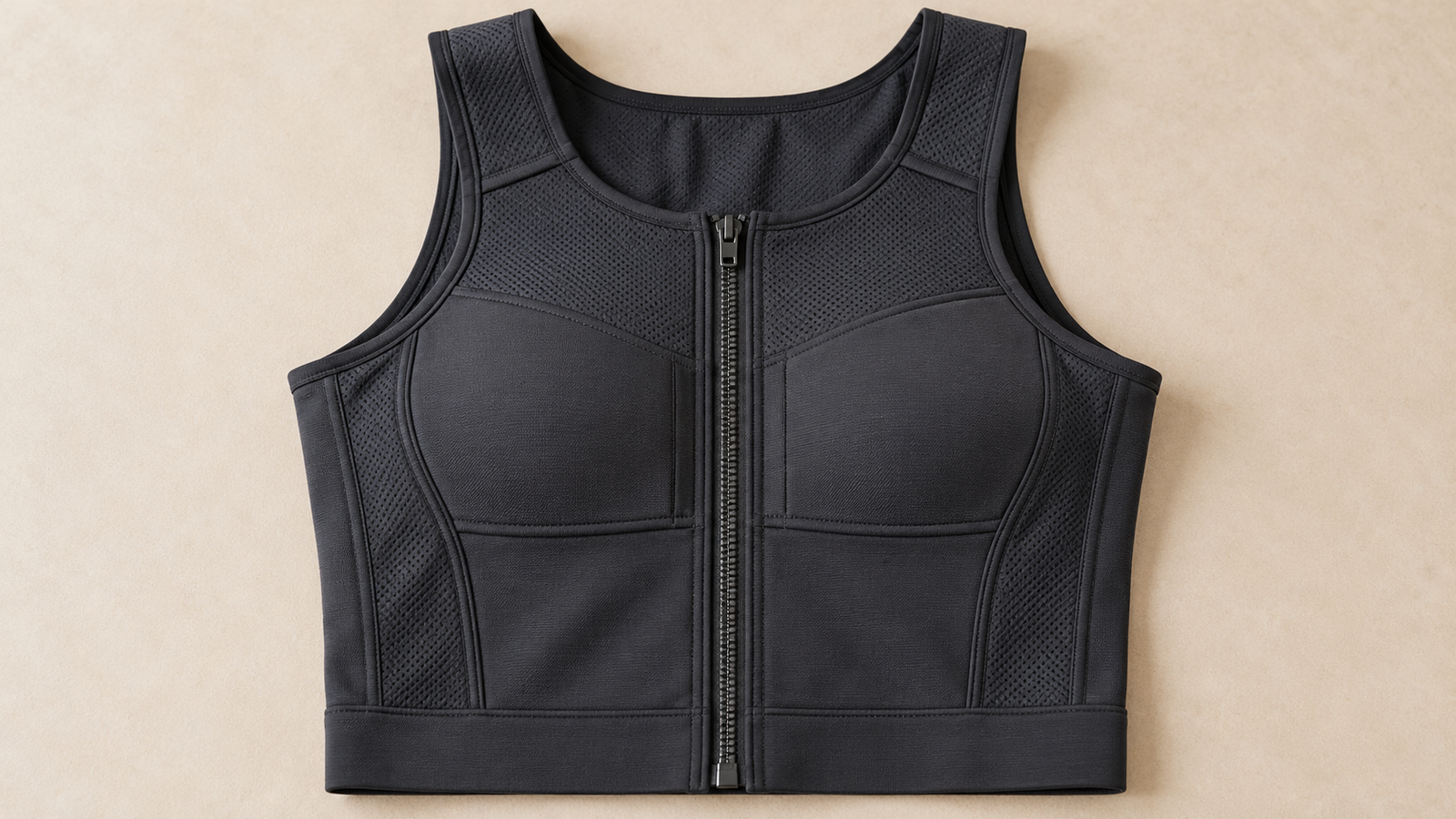
A compression vest or elastic bandage may be used to support the chest and help control swelling. It should fit according to your surgeon’s instructions.
If the vest causes severe pain, numbness, breathing difficulty or skin problems, contact the team. Do not make it tighter in the hope of improving the result.
See the compression vest rules for questions to discuss at follow-up.
Move gently and protect the chest
Your surgeon may encourage gentle walking, while restricting heavy lifting, stretching and chest exercise during early healing. These instructions depend on your procedure.
Ask when you can return to work, drive, lift objects and exercise. The recovery after male breast reduction guide provides further context.
How Long Does Pain Last?
Discomfort is often most noticeable in the first few days and should gradually ease. Some tenderness, tightness or sensitivity may last longer, especially after a more extensive operation.
Do not judge recovery only by the number of days since surgery. The pattern matters: pain that improves is different from pain that suddenly increases after you had been feeling better.
Persistent pain is a recognised possible complication of gynecomastia surgery. If it continues or interferes with normal activities, arrange a review.
When Should You Call the Surgeon?
Contact your surgical team promptly if you experience:
- Severe pain or pain that is getting worse.
- Rapid swelling, particularly on one side.
- Bleeding that is increasing or soaking the dressing.
- Redness, warmth, fever or unusual discharge.
- A wound that opens.
- Pain that remains uncontrolled despite following the prescribed plan.
The NHS advises contacting the treating clinic as soon as possible for severe pain or unexpected symptoms such as unusual swelling or skin colour changes.
Seek emergency medical attention for shortness of breath, chest pain or an unusual heartbeat. Do not wait for a routine follow-up appointment.
What Should You Discuss at Your Consultation?
At Elegance Clinic, a consultation can help you understand the proposed operation and recovery plan. Dr. Ashutosh Shah, MBBS, MS, MCh and DNB, a plastic and reconstructive surgeon, can discuss the surgical approach and help you prepare questions for the anaesthesia team.
Ask:
- Which anaesthesia is suitable for my procedure?
- Will I be awake, and what sensations might I notice?
- Who will administer and monitor the anaesthesia?
- What pain medicines will I receive?
- Who should I contact if pain worsens after discharge?
- When can I return to work, driving and exercise?
Bring a list of your medicines and supplements. Mention any previous difficulty with anaesthesia or pain relief.
Follow your individual post-operative guidelines, and keep the clinic’s contact number available during recovery.