

Is Liposuction Alone Enough to Treat Gynecomastia?
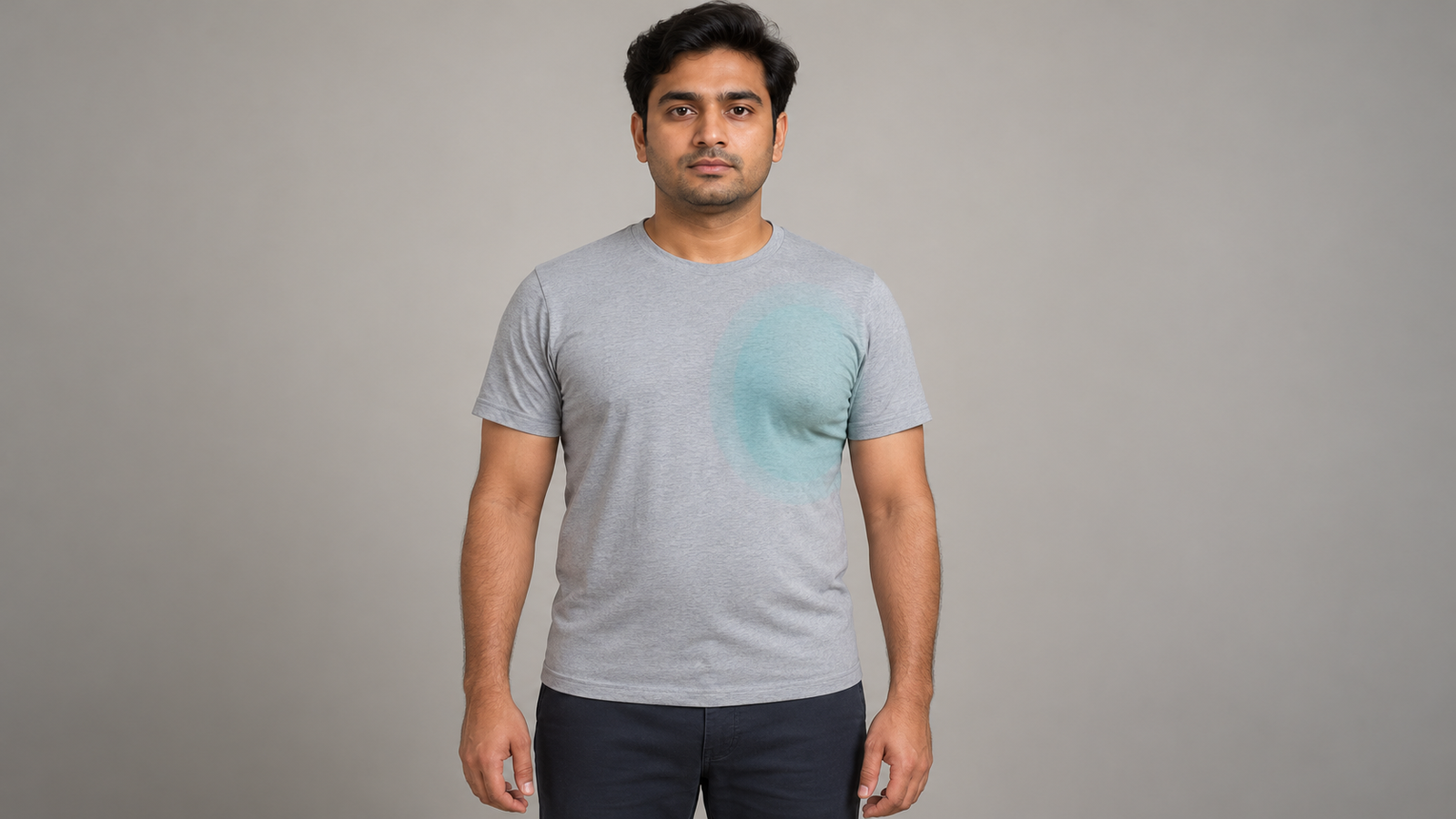
Liposuction for gynecomastia may be enough when chest fullness comes mainly from fat, and the skin can retract adequately. Firm gland beneath the nipple may need direct removal, while substantial loose skin may require excision. An examination determines whether liposuction alone can achieve your goals or would leave untreated fullness.
What Does Liposuction Remove From the Chest?
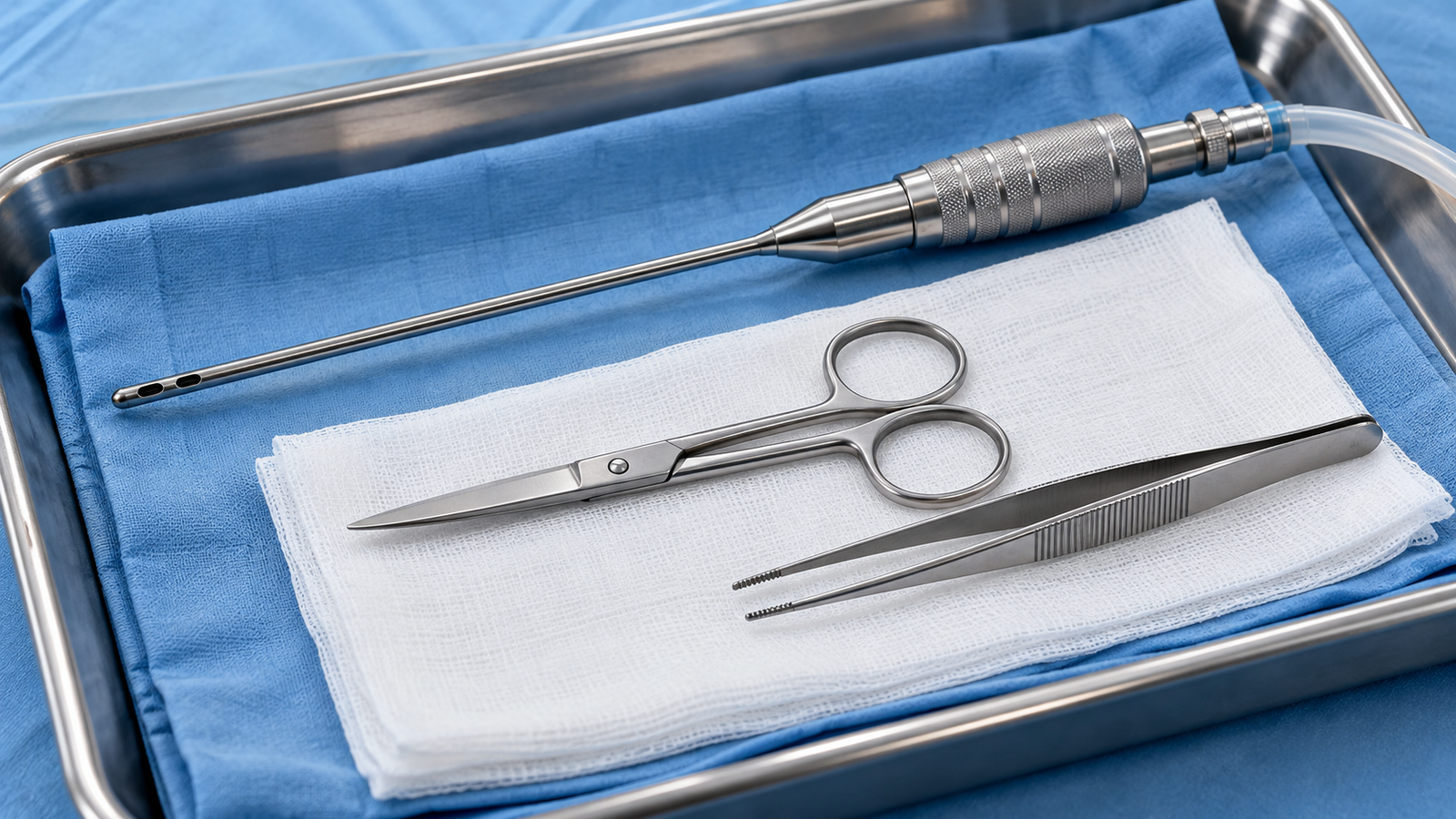
Liposuction removes fat through a thin hollow tube called a cannula, introduced through small skin openings. It can reduce chest volume and blend the treated area into the surrounding torso.
ASPS describes liposuction alone as an option when enlargement is primarily fatty. It separately recommends excision when glandular tissue or excess skin needs removal.
This distinction matters because the chest can contain several components:
- Fat: Soft tissue contributing to overall fullness.
- Gland: Firmer breast tissue, commonly concentrated beneath the nipple.
- Excess skin: A loose envelope that may remain after volume reduction.
A single procedure does not necessarily address all three.
Is Chest Fat the Same as Gynecomastia?
Strictly, gynecomastia refers to glandular breast enlargement. Fullness caused mainly by fat is often called pseudogynecomastia or lipomastia. Both can occur together.
A clinician uses your history and examination to distinguish these patterns. Published evaluation guidance emphasises establishing the diagnosis rather than choosing treatment from appearance alone.
A soft chest does not rule out gland underneath, and a puffy nipple does not establish the amount of gland present.
For background, read the fat-versus-gland guide.
When May Liposuction Alone Be Enough?
Chest liposuction for men may suit selected patients with predominantly fatty fullness, limited skin excess and realistic expectations.
The assessment should establish that the expected result does not depend on removing a substantial gland or repositioning loose skin.
| Examination finding | Is liposuction alone likely to be enough? | What to discuss |
|---|---|---|
| Predominantly fatty fullness with suitable skin elasticity | May be suitable | Expected reduction and skin response |
| Firm gland beneath the nipple | May leave central fullness | Whether gland removal is needed |
| A mixture of fat and prominent gland | Often needs a combined plan | How each tissue will be treated |
| Mainly gland with little surrounding fat | May offer limited benefit | Whether excision alone fits |
| Significant loose skin or a hanging fold | Unlikely to address the whole problem | Skin removal and nipple position |
| A new or unusual lump | Diagnosis comes first | Appropriate investigation before cosmetic treatment |
This table supports a consultation; it cannot determine your operation without an examination.
When Is Gynecomastia Gland Removal Needed?
Gynecomastia gland removal may be recommended when firm breast tissue contributes to persistent prominence, particularly beneath the nipple.
Direct excision allows the surgeon to remove tissue that a fat-focused procedure may leave behind. The operation can be performed alone or combined with liposuction, depending on the wider contour.
The aim is to remove the problematic tissue while creating a suitable transition to the surrounding chest. Taking away more tissue is not automatically better: excessive removal can create a depression or an unnatural contour.
Ask the surgeon:
- How much of my enlargement is gland?
- Would liposuction leave nipple puffiness?
- How will you protect the contour beneath the nipple?
- What incision would gland removal require?
Why Combine Liposuction With Excision?
A combined operation can address glandular fullness centrally and fat around it.
Liposuction helps reduce and blend the surrounding fatty contour, while excision treats the gland. This may be appropriate when neither technique alone addresses the full problem.
However, combined treatment is not automatically superior for every patient. A published comparison reported comparable cosmetic results between liposuction alone and liposuction with gland excision in its study groups, supporting individual selection rather than one procedure for everyone.
Read Gynecomastia surgery types for a broader comparison.
Can VASER Remove the Gland Without Excision?
A technology name does not establish whether gland removal is unnecessary.
VASER uses ultrasound energy as part of liposuction. Power-assisted and standard suction-assisted methods use different ways of working through fatty tissue. The important question remains whether the planned technique will adequately address your gland.
A published VASER series explicitly combined liposuction with gland excision. Its findings therefore cannot be presented as evidence that VASER alone reliably eliminates the need for gland removal.
Ask for the complete tissue-treatment plan, including what happens if substantial gland remains after liposuction.
The VASER versus standard liposuction guide explains the distinction.
Will Loose Skin Tighten After Liposuction?
Some skin retraction may occur, but the amount cannot be guaranteed.
Removing volume does not remove the skin envelope itself. If skin is substantially stretched or forms a hanging fold, the chest may become smaller while still appearing loose.
Skin elasticity, the amount of excess skin, and nipple position influence the plan. A large or drooping chest may need skin excision, sometimes with nipple repositioning, rather than liposuction alone. These factors are included in established surgical planning guidance.
Ask whether the surgeon recommends immediate skin removal or reassessment after the initial reduction has settled.
See Loose chest skin in men for treatment limitations.
Can Liposuction Avoid All Scars?
No. Liposuction requires skin openings and leaves scars, although they are generally smaller than skin-removal incisions.
Gland excision commonly adds an incision near the lower areola border. Significant skin removal can require longer lines.
The Aesthetic Society explains that scars vary according to the tissue removed, skin elasticity, and procedure. Incision lines remain permanent even when they fade.
Choosing a smaller scar is a reasonable preference, but it should be weighed against what the operation could leave untreated.
What Should Be Checked Before Choosing Surgery?
The consultation should assess both the chest and possible causes of enlargement.
Tell the clinician about onset, tenderness, changes in size, medicines, supplements, anabolic steroids, and previous treatment. Tests may be recommended according to the findings.
The European Academy of Andrology identifies detecting underlying conditions and reversible causes as key purposes of gynecomastia assessment.
During a consultation with Dr. Ashutosh Shah at Elegance Clinic, ask whether your proposed plan treats fat, gland, and skin adequately. Explain your concerns about scars, recovery, and the possibility of further surgery.
A new lump, nipple discharge, or skin change should be assessed before assuming that liposuction is appropriate.
Does Liposuction Alone Mean Easier Recovery?
A limited operation may involve less treatment than a larger combined reduction, but recovery cannot be predicted from the procedure name alone.
The amount treated, anaesthesia, skin quality and individual health all matter. Bruising, swelling, soreness and altered sensation may occur.
Potential risks include fluid collection, infection, asymmetry, skin irregularities and the need for further treatment. ISAPS lists these among the considerations for male breast reduction.
Obtain personalised instructions about compression, driving, work and exercise. Neither a small incision nor same-day discharge means you can immediately resume strenuous activity.
What if the Chest Is Still Puffy After Liposuction?
Persistent fullness needs assessment. It may reflect healing changes, residual gland, remaining fat, skin excess or another issue.
Do not judge the final result immediately. NHS guidance notes that the full appearance after male breast reduction can take up to six months to develop. Severe pain, unusual swelling or skin-colour changes should be reported promptly.
If the contour remains unsatisfactory after appropriate healing, the surgeon can explain whether further treatment would help. A second operation should follow a diagnosis of the problem rather than an assumption that more liposuction is needed.
Questions to Ask Before Booking
Take these questions to your consultation:
- Is my fullness mainly fat, gland, or both?
- What could remain after liposuction alone?
- Will loose skin limit the result?
- What scars would the recommended approach leave?
- Could the plan change during surgery, and how is that covered in consent?
- What follow-up and additional-treatment costs should I understand?
Request a written explanation of the proposed procedure and its limitations.
Key Takeaways
- Liposuction for gynecomastia may work alone when fullness is predominantly fatty.
- Firm gland may need direct removal.
- Significant loose skin needs a separate treatment decision.
- Device names do not describe the complete operation.
- Choose after understanding the expected contour, scars, and limitations.
Book a consultation for an individual assessment.