
Gynecomastia Surgery Scars: Where Are They and Do They Show?
Gynecomastia surgery leaves scars because removing fat, gland, or excess skin requires incisions. Small liposuction scars and incisions along the lower areola border may become discreet as they heal. Skin removal can leave longer lines. Visibility depends on incision placement, wound tension, skin characteristics, and your individual healing tendency.
Understanding the planned scars before surgery helps you weigh the improvement in chest shape against the marks that remain.
Does Gynecomastia Surgery Always Leave Scars?
Yes. Any cut through the skin produces a scar, even when the opening is small or placed in a less visible location.
Terms such as “scarless surgery” may describe concealed incisions, but they do not mean that the skin heals without a mark. ASPS explains that gynecomastia incisions can be positioned to reduce visibility, while more extensive skin removal requires larger incisions.
Before choosing an operation, ask the surgeon to show you:
- Where every incision will go.
- Whether gland removal needs a separate opening.
- Whether loose skin requires additional incisions.
- Which scars may show when your arms are raised.
- How your previous scars affect the assessment.
A smaller incision is helpful only when it also allows the necessary treatment.
Where Are Gynecomastia Surgery Scars Located?
The location depends on whether the surgeon needs to remove fat, firm gland, excess skin, or a combination.
Small liposuction entry points
Liposuction uses a thin tube called a cannula, inserted through small openings. Depending on the technique, these may be near the areola, along the side of the chest, or in another suitable position.
They usually leave short lines or small marks. Their exact size depends on the instruments and approach, so one measurement does not apply to every operation.
Along the lower areola border
Direct gland removal commonly uses an incision along part of the lower edge of the areola—the coloured circle surrounding the nipple.
The colour boundary can help camouflage the healed line. However, the scar may remain noticeable if it becomes raised, wider, or different in colour.
Around the areola
If the areola needs reduction or selected skin tightening, an incision may extend around its circumference. This leaves a circular scar rather than a short lower-border line.
Along the chest fold
Substantial loose skin may require longer incisions, sometimes placed along the lower chest fold. The Aesthetic Society describes these different scar patterns and explains that the extent depends on tissue volume, skin elasticity, and the required correction.
Which Procedure Leaves Which Scar?
| Procedure | Usual incision location | Scar extent | Visibility considerations |
|---|---|---|---|
| Liposuction alone | Small entry points on or around the chest | Short marks; size varies | May fade well, but can remain darker or raised |
| Gland excision | Commonly along the lower areola border | Part of the areola’s circumference | The colour boundary may help conceal it |
| Liposuction with gland excision | Liposuction openings plus gland-access incision | Combination of short scars | Depends on placement and healing |
| Areola reduction | Around the areola | Circular scar | Can remain visible or widen |
| Substantial skin removal | Chest fold or another tailored pattern | Longer scars | Usually more noticeable than small access scars |
This table describes common approaches. Your surgeon should draw the proposed gynecomastia incision pattern on your own chest before consent.
Read more about gynecomastia surgery types to understand why different tissues need different treatment.
Are Scars Longer When Skin Is Removed?
Often, yes.
Removing fat reduces volume, but it does not remove an empty fold of skin. If the skin cannot adapt sufficiently, excision may be needed to improve sagging or reposition the nipple.
ASPS identifies excess skin removal and nipple repositioning as reasons for excision, with incision patterns tailored to the individual case.
For someone with substantial skin excess, the decision may involve accepting a longer scar in exchange for a better-fitting chest contour. Avoid choosing treatment solely because it promises the shortest mark.
During a consultation at Elegance Clinic, Dr. Ashutosh Shah, MBBS, MS, MCh, DNB, a plastic and reconstructive surgeon, can discuss how the amount of fat, gland, and skin affects the proposed incision pattern. Ask to see healed results from comparable operations, with appropriate patient consent.
How Do Gynecomastia Surgery Scars Change Over Time?
A fresh scar does not show its final appearance.
Early scars may look pink, red, brown, or darker than surrounding skin. They can also feel firm or slightly raised. With maturation, many become softer, flatter and less noticeable.
| Healing stage | Changes you may notice | What deserves review |
|---|---|---|
| First few weeks | Healing incision, local tenderness and colour change | Wound opening, discharge or increasing pain |
| Around 3 months | A visible line that may remain firm or darker | Progressive thickening, persistent itching or growth |
| Around 6 months | Gradual softening or fading in many patients | Continued widening, discomfort or a raised scar |
| Around 12 months | A more mature appearance | Persistent concerns worth discussing with the surgeon |
These are broad stages rather than deadlines. NHS guidance notes that scars can continue fading for two years or longer.
The gynecomastia scar healing timeline explains the differences between early healing and a scar that may benefit from treatment.
What Makes a Scar More Visible?
Length is only one factor. A short scar can be noticeable, while a longer, flat scar may blend reasonably well.
Relevant factors include:
- Placement: Natural creases and colour boundaries can provide camouflage.
- Wound tension: Pulling across the healing incision may contribute to widening.
- Healing complications: Infection or wound separation can affect the final mark.
- Pigment changes: A scar may become darker or lighter than nearby skin.
- Individual tendency: Some people develop raised scars after relatively small injuries.
Tell your surgeon about previous scars from operations, acne, piercings, vaccinations, or injuries. Photographs can help if those scars are difficult to show during the appointment.
What Is the Difference Between a Raised Scar and a Keloid?
A hypertrophic scar is raised but remains within the original wound boundary.
A keloid grows beyond that boundary into surrounding skin and may continue enlarging. The American Academy of Dermatology notes that keloid susceptibility can run in families and is more common in people with darker skin tones. This does not mean everyone with darker skin will develop one.
A thickening, growing, or increasingly itchy scar deserves assessment. You do not need to wait a year before asking for help.
What Helps Keep Scars Less Noticeable?
Follow wound-care instructions
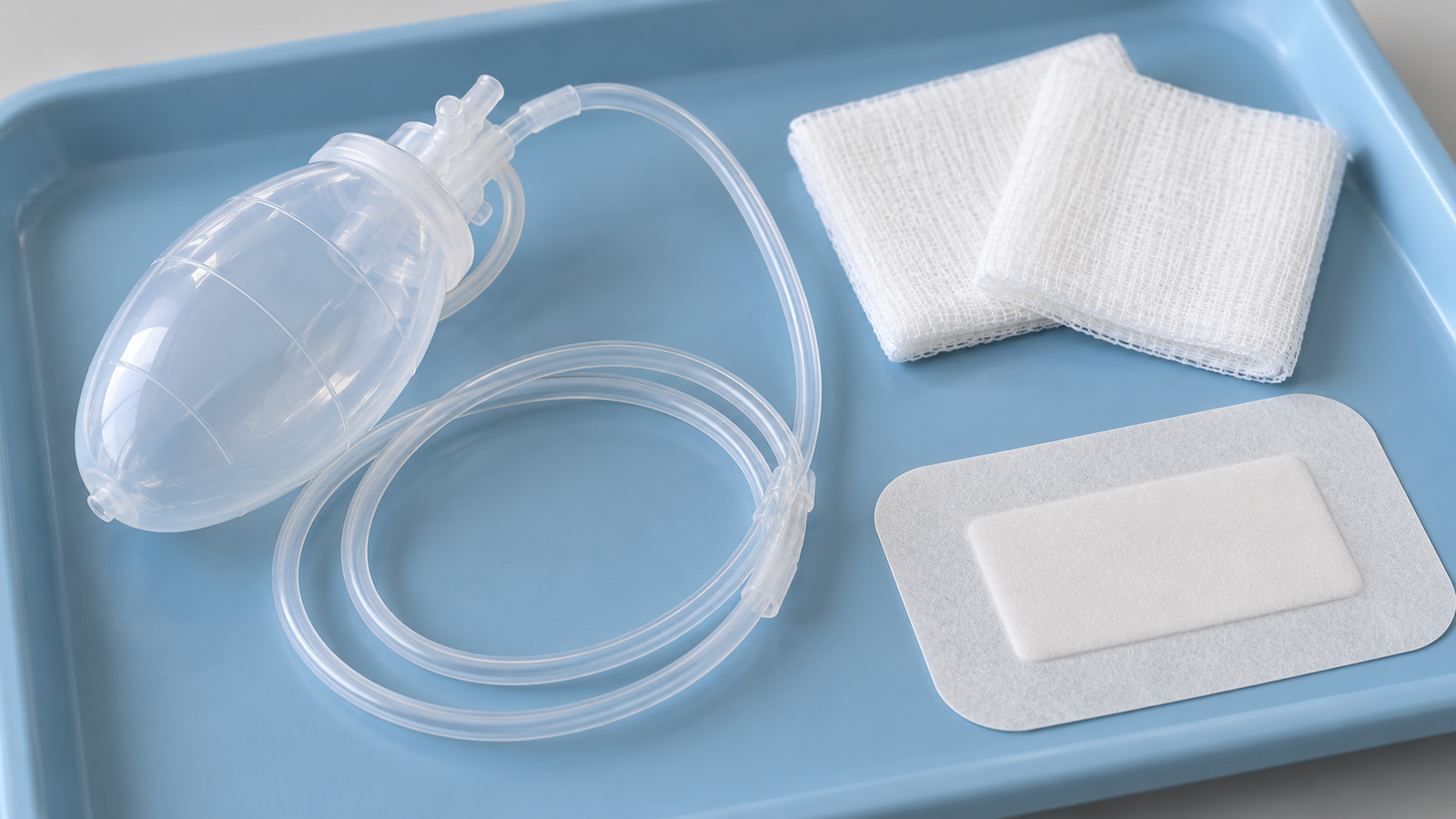
Use the prescribed dressing routine and avoid picking scabs or removing surgical tape prematurely. Follow the clinic’s post-operative guidelines alongside your individual discharge advice.
Ask about silicone after the wound closes
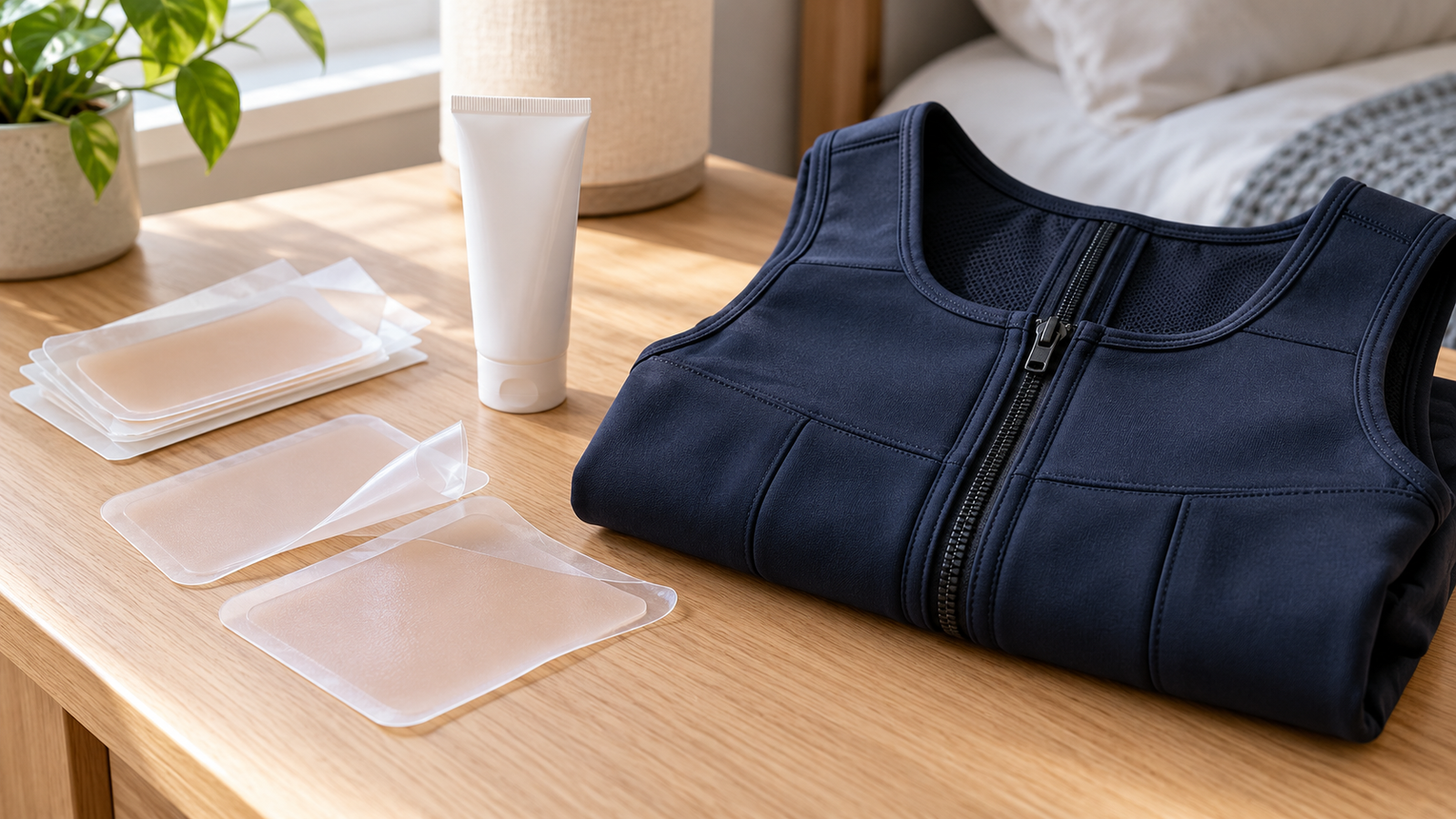
Silicone gel or sheets may be recommended for scar management. Do not apply them to an open wound or scab. The AAD specifically advises waiting until these have healed.
Ask your surgeon when to begin and how long to continue.
Protect the scar from sunlight
Keep healing scars covered. Once the skin is sufficiently healed, ask about sunscreen. NHS guidance recommends protecting scars from the sun for at least a year and using SPF 30 or higher.
Avoid unnecessary pulling
Follow your restrictions on lifting, stretching and chest exercise. Ask before starting scar massage, and use only the technique your clinician recommends.
When Should a Surgeon Assess a Scar?
Contact the surgical team promptly if the incision becomes increasingly hot, swollen or painful, starts discharging pus, opens, or is accompanied by fever or feeling unwell. These can indicate a wound infection.
Arrange a routine scar review for progressive thickening, widening, persistent itching, or an appearance that concerns you.
Treatment depends on the problem. Options may include silicone, injections, selected laser treatment, or surgical revision. Keloids often need combined treatment because they can return after removal.
For elective surgical revision, surgeons commonly allow time for maturation, often around a year, although the appropriate timing depends on the scar and symptoms.
Book a consultation to discuss the incision pattern and healing expectations for your chest.