
How do I know if my male breast enlargement is fat or gland tissue?
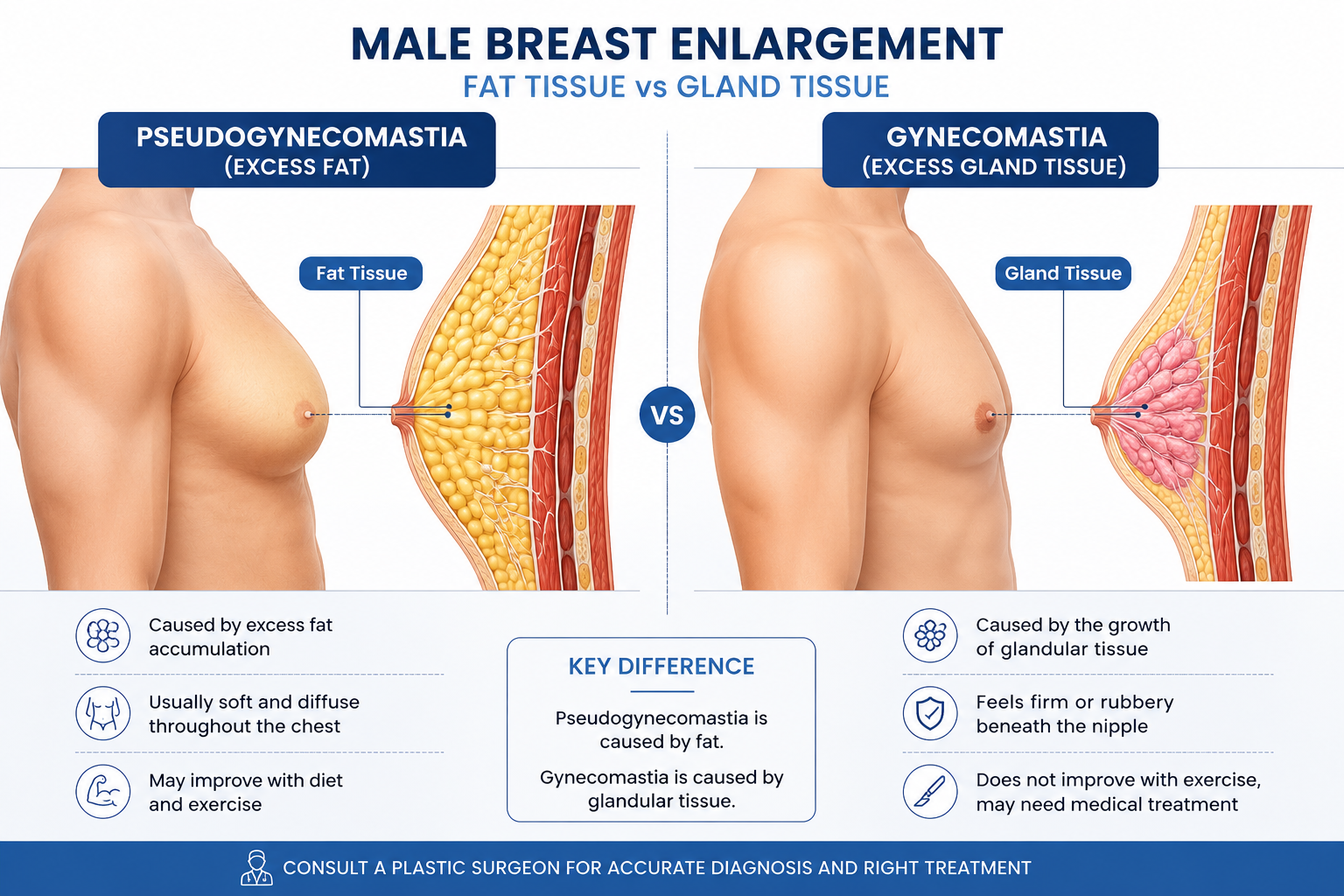
Male breast enlargement is a common concern that affects men of all ages. However, not all cases are the same. Some men have excess fat in the chest (pseudogynecomastia), while others have enlarged glandular tissue (gynecomastia). Understanding the difference is essential because the treatment for each condition varies.
So, how can you tell whether your enlarged chest is caused by fat or gland tissue? Let's explore.
What Is Gynecomastia?
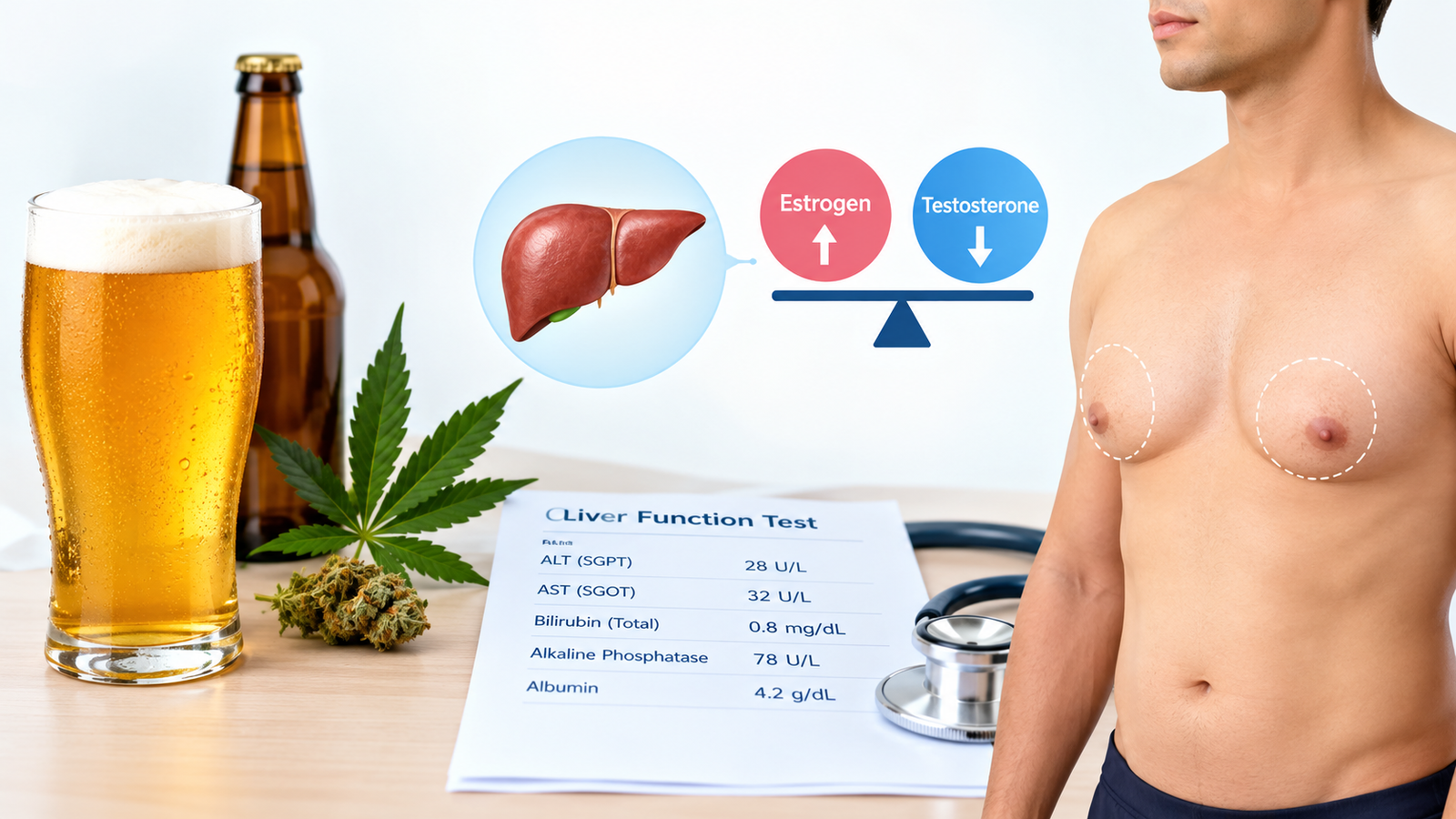
Gynecomastia is the enlargement of male breast gland tissue, often caused by hormonal imbalances, certain medications, medical conditions, or genetics. It can affect one or both sides of the chest and may occur during puberty or adulthood.
What Is Pseudogynecomastia?
Pseudogynecomastia refers to the accumulation of excess fat in the chest without an increase in glandular tissue. It is commonly associated with weight gain or obesity and often improves with a healthy diet and regular exercise.
Fat vs. Gland Tissue: How to Tell the Difference
Although only a medical evaluation can provide a definitive diagnosis, these signs may help you identify the cause of your chest enlargement.
| Fat Tissue (Pseudogynecomastia) | Gland Tissue (Gynecomastia) |
|---|---|
| Soft and evenly distributed | Firm or rubbery lump beneath the nipple |
| Usually painless | May be tender or sensitive |
| Often linked to weight gain | May occur even in lean individuals |
| Improves with weight loss | Usually does not disappear with exercise alone |
| Feels similar to body fat | Feels dense and disc-like |
Can You Check at Home?
A simple self-examination may offer some clues.
- If your chest feels soft and compressible, it is more likely to be excess fat.
- If you feel a firm, rubbery disc directly beneath the nipple, gland tissue may be present.
- If you experience pain, tenderness, or one-sided enlargement, consult a specialist for an accurate diagnosis.
Remember, self-examination cannot replace a professional medical assessment.
How Is the Diagnosis Confirmed?
A plastic surgeon or healthcare provider will typically:
- Perform a physical examination
- Review your medical history and medications
- Assess your body weight and chest contour
- Recommend imaging tests such as an ultrasound if necessary
- Order hormone or blood tests when an underlying medical condition is suspected
Treatment Options
The right treatment depends on the cause of the enlargement.
If It's Fat Tissue
- Weight loss
- Regular chest-strengthening exercises
- Healthy diet and lifestyle changes
Many patients notice significant improvement after reducing overall body fat.
If It's Gland Tissue
Glandular tissue usually does not respond to diet or exercise. Depending on the severity, treatment may include:
- Observation for mild cases
- Medical management if caused by hormonal issues
- Gynecomastia surgery to remove excess gland tissue and restore a flatter, more masculine chest contour
When Should You See a Doctor?
You should seek medical advice if:
- The enlargement persists despite weight loss.
- You notice a firm lump beneath the nipple.
- There is pain or tenderness.
- Only one breast is enlarged.
- There is nipple discharge or rapid enlargement.
Early evaluation helps determine the exact cause and ensures appropriate treatment.
Doctor's Suggestion
According to Dr. Ashutosh Shah, identifying whether male breast enlargement is caused by fat or gland tissue is the first step toward effective treatment at Elegance Clinic. While excess fat may improve with weight management, glandular enlargement often requires specialized medical evaluation and, in some cases, surgical correction.
Dr. Ashutosh Shah emphasizes that self-diagnosis can be misleading because many patients have a combination of both fat and gland tissue. With over 25 years of experience in plastic, reconstructive, and cosmetic surgery, Dr. Shah is a Board-Certified Plastic Surgeon with qualifications including M.B.B.S., M.S., and M.Ch. (Plastic Surgery), and DNB (Plastic Surgery).
Final Thoughts
It can be difficult to distinguish between fat and gland tissue on your own, but understanding the differences can help you make informed decisions. While lifestyle changes may reduce excess fat, true gynecomastia often requires professional evaluation and treatment. If you're unsure about the cause of your chest enlargement, consult an experienced plastic surgeon for an accurate diagnosis and a personalized treatment plan.