
Why Chest Not Reducing After Workout? Causes & Solutions
If your chest is not reducing after a workout, it does not always mean that you are exercising incorrectly. Regular workouts can strengthen the chest muscles, but they may not remove every type of chest fullness. The appearance of a larger or puffy chest can be caused by excess body fat, developed chest muscles, loose skin, or gynecomastia, a condition involving enlarged male breast tissue.
Understanding the reason behind chest fullness is important because the right solution depends on the underlying cause.
Why Is My Chest Not Reducing After Workout?
There are several reasons why your chest may remain prominent even after regular exercise.
1. Overall Body Fat Is Still Present
Chest fat is often part of overall body fat. Unfortunately, it is not possible to choose exactly where the body loses fat first through exercise.
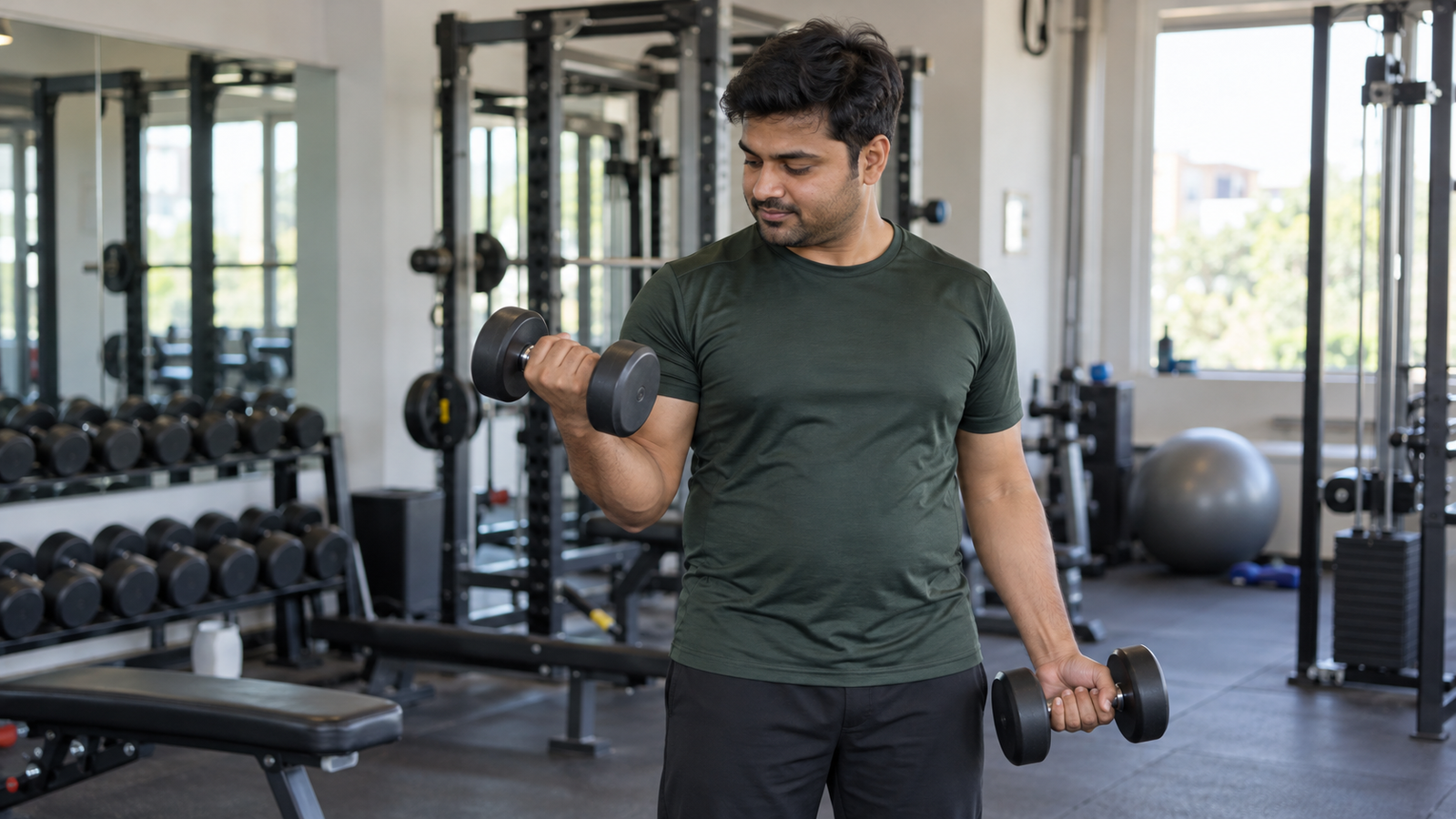
Exercises such as push-ups, bench presses, and chest fly exercises can strengthen the pectoral muscles. However, they do not specifically burn fat from the chest.
If overall body fat remains high, the chest may continue to look larger even when the muscles underneath are becoming stronger.
2. You May Have Gynecomastia
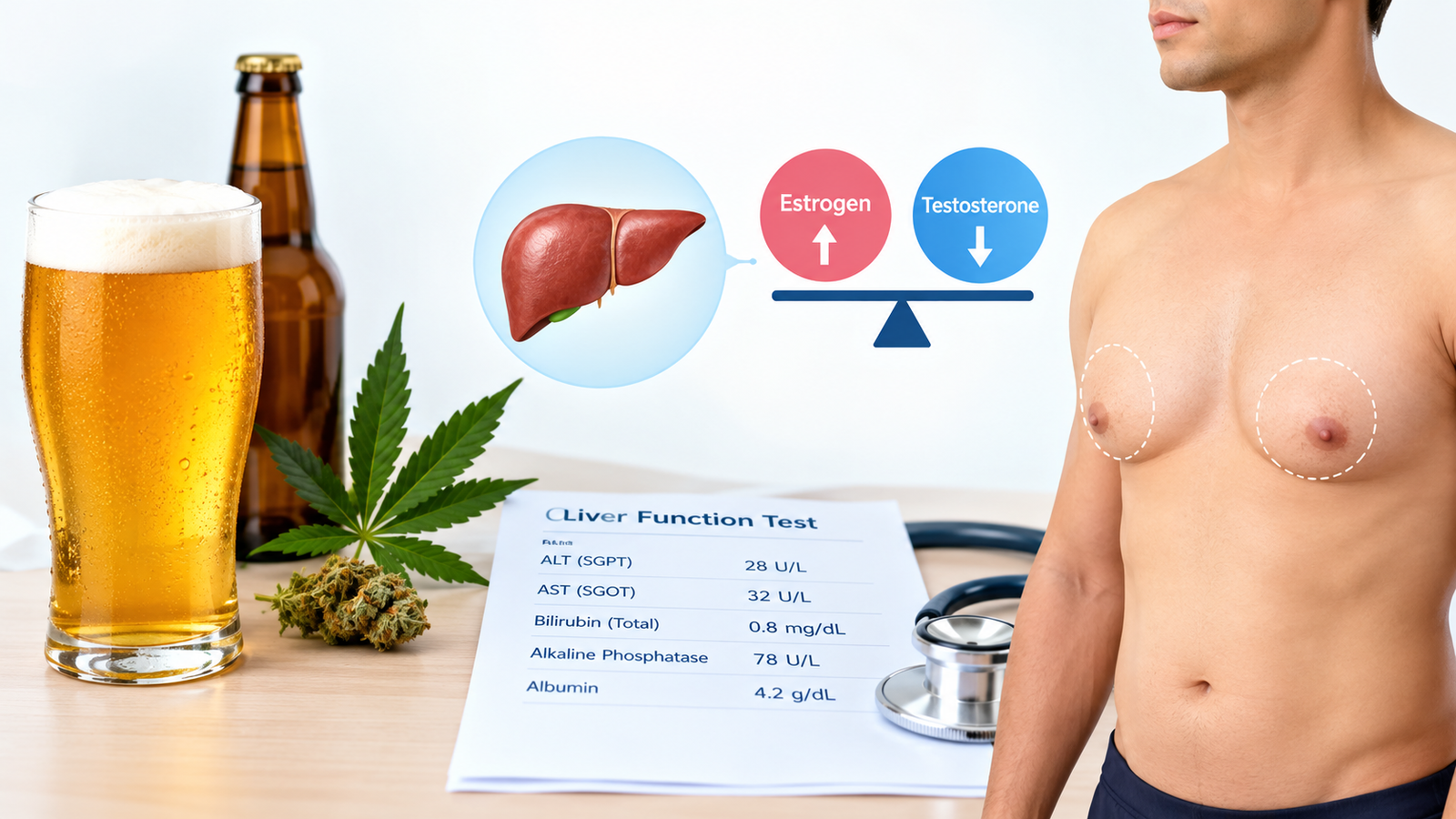
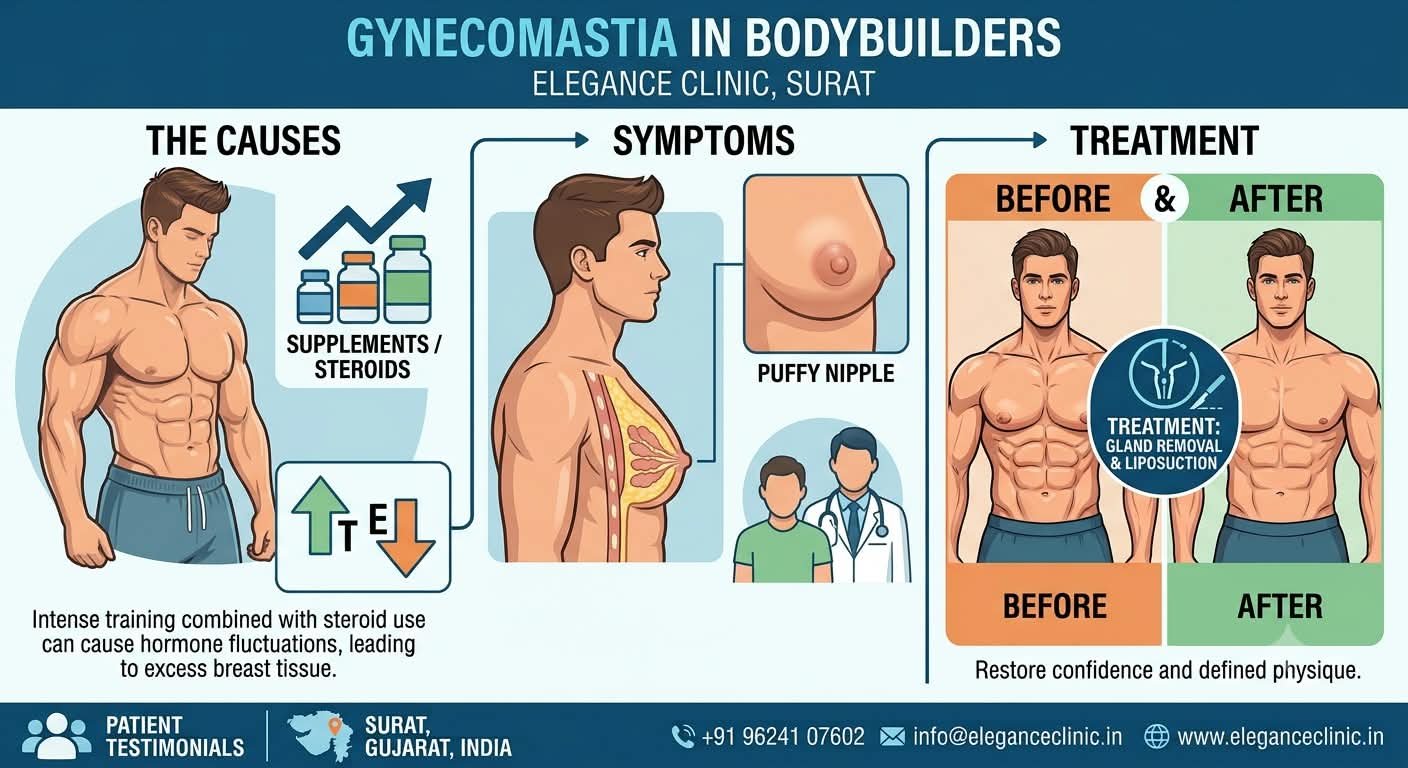
Gynecomastia is enlargement of male breast glandular tissue. It can make the chest appear rounded, enlarged, or puffy around the nipples.
Unlike ordinary fat, glandular breast tissue may not disappear simply through exercise or weight loss.
A common sign is a firm or rubbery area behind the nipple or areola. Some men may also notice nipple puffiness or increased chest sensitivity.
If your chest remains enlarged despite regular exercise and maintaining a healthy weight, gynecomastia may be one possible explanation.
3. Your Chest Muscles Are Developing
Sometimes the chest looks bigger because the pectoral muscles have become more developed.
Strength training can increase muscle size and improve chest definition. Therefore, a larger chest after exercise does not necessarily mean that your workouts have failed.
The important question is whether the fullness comes primarily from muscle, fat, glandular tissue, or a combination of these factors.
4. Body Fat Percentage May Still Be Higher Than Expected
Even people who exercise regularly can have persistent fat deposits.
Diet, calorie intake, sleep, activity levels, genetics, and overall body composition all influence fat loss. If your goal is to reduce chest fat, a consistent overall fat-loss plan may be more effective than simply adding more chest exercises.
Can Chest Exercises Remove Chest Fat?
Chest exercises can strengthen and build the underlying muscles, but they cannot specifically target chest fat.
Exercises such as:
- Push-ups
- Bench presses
- Incline presses
- Dumbbell presses
- Chest fly exercises
can improve muscle strength and shape. However, reducing body fat generally requires an overall approach involving nutrition, physical activity, and sustainable weight management.
If the chest remains enlarged after achieving a healthy body weight, it is worth considering whether another cause, such as gynecomastia, may be involved.
How Can You Tell If It Is Chest Fat or Gynecomastia?
It is not always possible to determine the cause simply by looking at the chest.
Chest fat tends to feel softer and is usually distributed more broadly. Gynecomastia involves glandular tissue and may feel firmer beneath the nipple or areola.
However, these features can overlap. A medical examination is the best way to determine what is contributing to the chest enlargement.
In some cases, a doctor may recommend additional evaluation depending on the person's symptoms and medical history.
What Can You Do If Your Chest Is Not Reducing?
The appropriate solution depends on the cause.
If It Is Mainly Fat
A structured weight management plan may help reduce overall body fat. Combining a balanced diet with regular cardiovascular and resistance exercise can improve body composition.
If It Is Gynecomastia
When enlarged glandular breast tissue persists, exercise alone may not provide the desired change. Depending on the severity and cause, treatment options can include medical evaluation, observation in selected cases, or Body Builder gynecomastia surgery.
Surgery may involve removing excess glandular tissue, removing localized fat with liposuction, or combining techniques when both glandular tissue and fat are present.
If Loose Skin Is Present
Significant weight loss can sometimes leave excess skin around the chest. In selected cases, a surgeon may discuss procedures designed to remove excess skin and improve the chest contour.
When Should You See a Doctor?
Consider a medical consultation if your chest remains enlarged despite regular exercise and a healthy lifestyle, particularly if you notice:
- Firm tissue behind the nipple
- Persistent nipple puffiness
- One-sided chest enlargement
- Breast or nipple tenderness
- A noticeable lump
- Chest enlargement that does not improve with weight loss
A new or unusual lump should always be evaluated by a qualified medical professional rather than assumed to be gynecomastia.
Chest Contouring and Gynecomastia Treatment in Surat
If you have been exercising regularly but your chest is still enlarged, identifying the actual cause can help you choose the right treatment.
At Elegance Clinic in Surat, Dr. Ashutosh Shah provides evaluation and treatment for male chest concerns, including gynecomastia and chest contouring. Dr. Shah is a board-certified plastic, reconstructive, and cosmetic surgeon with more than 22 years of surgical experience.
During a consultation, the chest can be assessed to determine whether the fullness is primarily related to fat, glandular tissue, muscle development, loose skin, or a combination of factors. Treatment can then be planned according to the individual's anatomy and goals.