
Your First Gynecomastia Consultation at Adajan: What the Examination Involves and How Privacy Is Kept
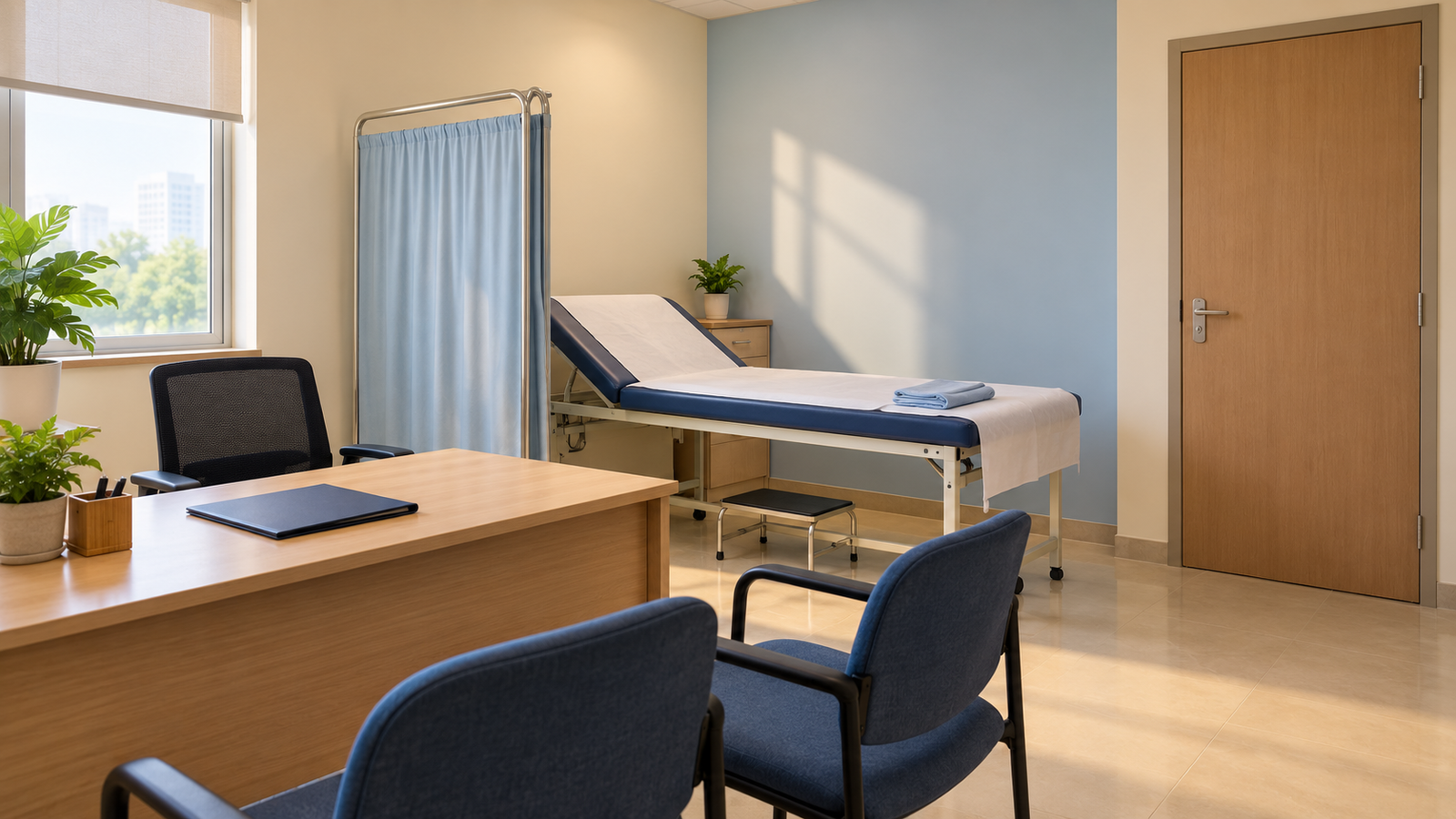
A first gynecomastia consultation usually includes a medical history, chest examination, and discussion of treatment options. The surgeon assesses the gland, fat, skin, and symmetry, and may recommend tests or clinical photographs. You can ask about privacy, request a chaperone, and discuss costs before deciding whether to proceed with treatment.
What Happens, Step by Step, at the First Visit?
Feeling uncomfortable about showing your chest is understandable. You can tell the team that you are nervous and ask the surgeon to explain each step before beginning.
A consultation generally follows this sequence:
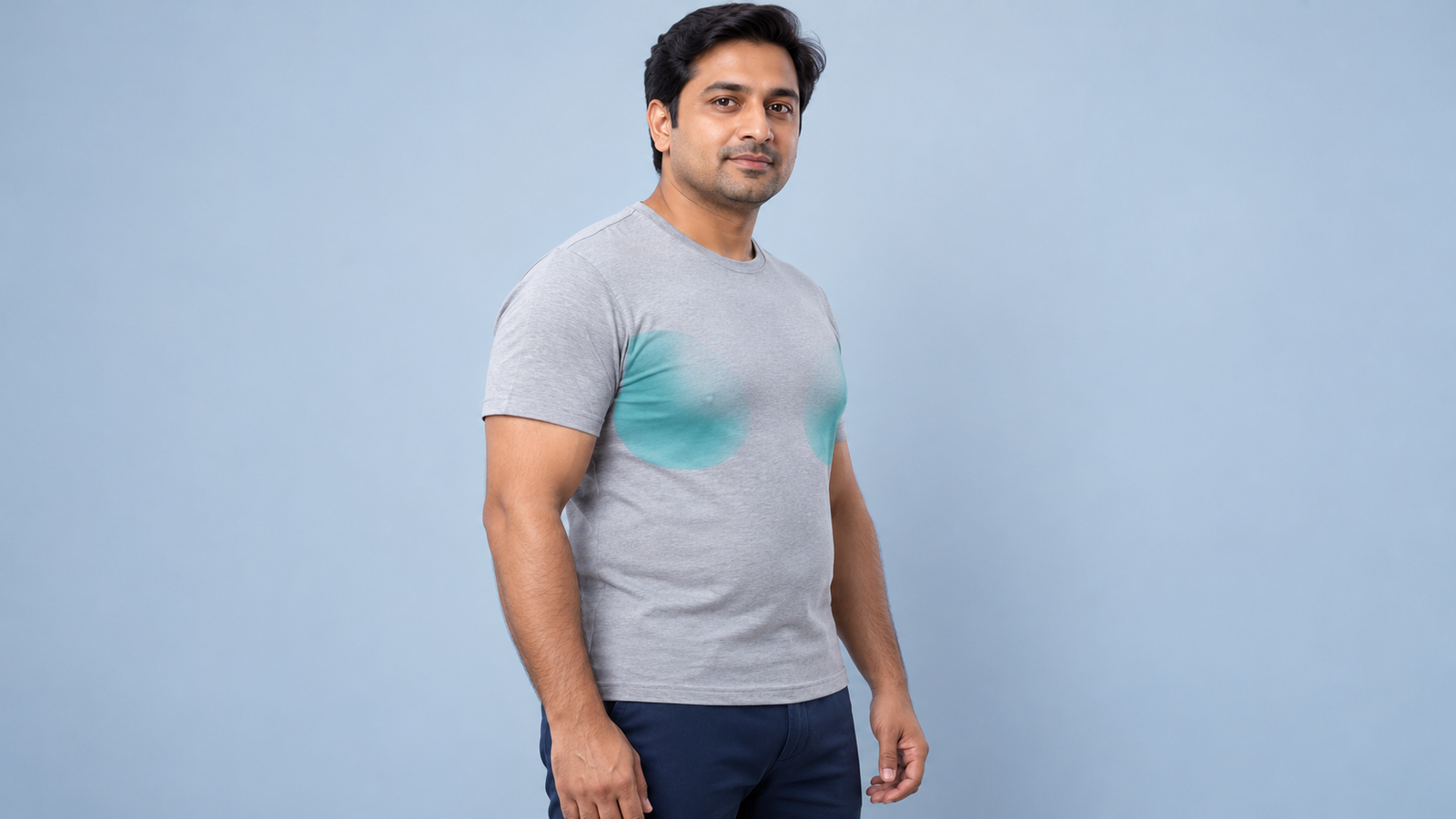
- Discuss your concerns: Explain what bothers you, such as nipple puffiness, chest fullness, discomfort, or unevenness.
- Review your history: Describe when the enlargement started, whether it has changed, and any previous treatment.
- Examine the chest: The surgeon assesses the tissues and skin.
- Discuss further assessment: Tests or another specialist’s opinion may be recommended.
- Explain your options: These may include observation, medical assessment, weight management or surgery.
ASPS describes medical history, medicines, health assessment, chest measurements, photographs and treatment discussions as possible parts of a gynecomastia consultation. The exact sequence varies between practices.
Attending a consultation does not mean you have agreed to surgery.
What Does the Surgeon Check During the Chest Examination?
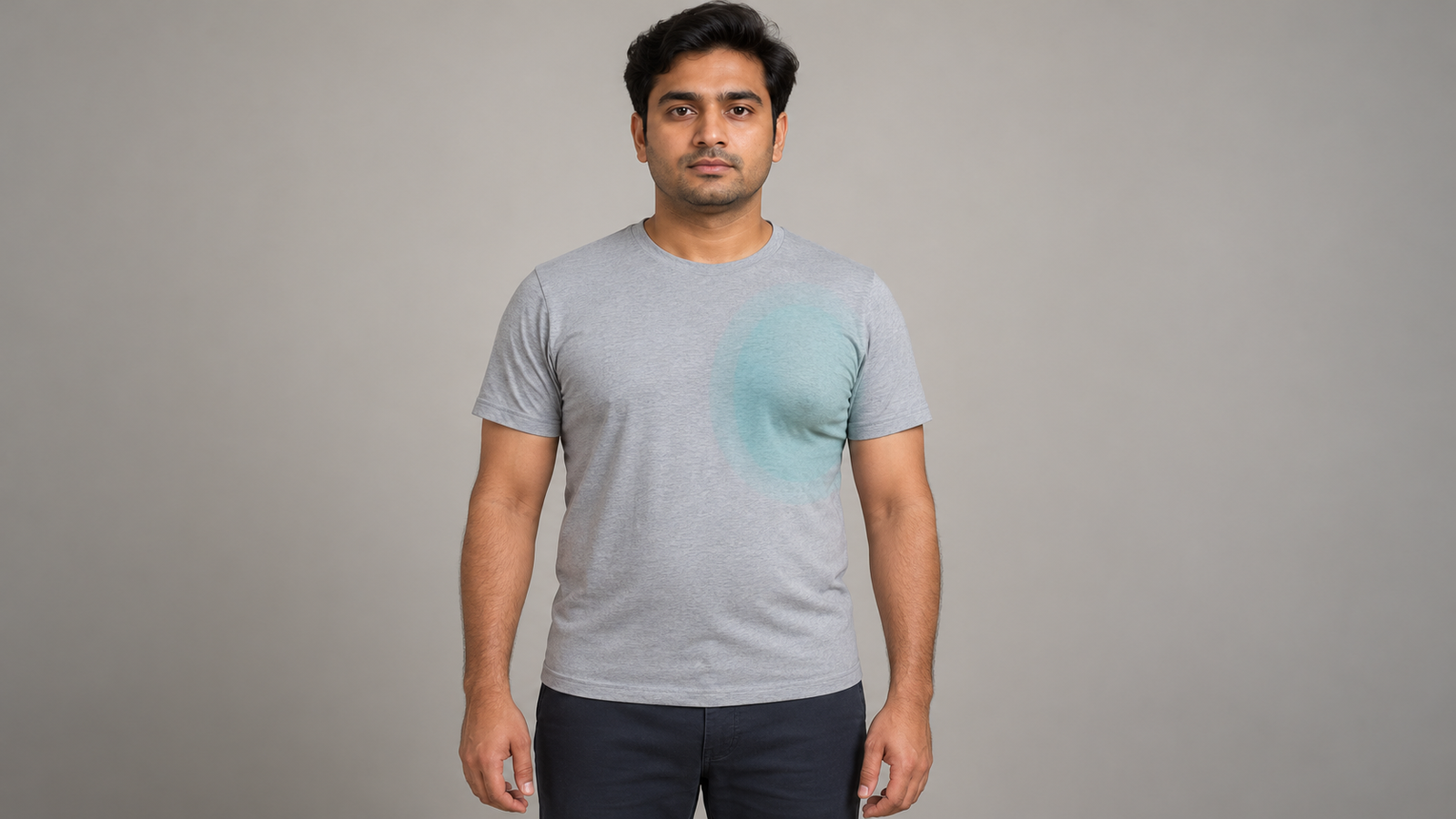
The examination helps establish whether enlargement involves glandular tissue, fat, or both. It also helps identify findings that need investigation before cosmetic treatment.
The surgeon may assess:
- The position and extent of fullness.
- Firm tissue beneath or around the nipple.
- Differences between the two sides.
- Skin looseness and the chest fold.
- Nipple and areola position.
- Tenderness, scars or skin changes.
Clinical guidelines emphasise examining the breast to distinguish glandular enlargement from fatty enlargement and assess suspicious findings.
If grading is used, ask which system the surgeon follows and what the grade means for your treatment. A grade describes the chest; it does not automatically determine the operation.
Do you need to remove your shirt?
Usually, the chest needs to be uncovered briefly for a proper examination. Looking through clothing or relying only on photographs cannot provide the same assessment.
Ask for privacy while changing and explain any concerns before undressing. You can also request a chaperone and ask who needs to remain in the room.
If you feel uncomfortable, say so. Ask the clinician to pause and explain what they are checking.
Could the examination involve anything beyond the chest?
A gynecomastia assessment can include a broader physical examination when evaluating possible causes. Guidelines include assessment of the genitalia and testicles as part of the diagnostic work-up. The clinician should explain why an examination is relevant and obtain your consent.
Which Questions About Your Health Should You Expect?
Prepare to discuss when the swelling began, whether one or both sides changed, and whether you have pain or discharge.
The doctor may also ask about weight changes, puberty, sexual or hormonal symptoms, existing illnesses, and family history.
Be open about prescription medicines, gym supplements, anabolic steroids and prohormones. These details help guide the assessment. Endocrine guidelines specifically include the onset, duration and use of substances associated with gynecomastia in the medical history.
Do not stop prescribed medicines before the visit unless your treating doctor advises it.
Which Reports and Medicine Lists Should You Bring?
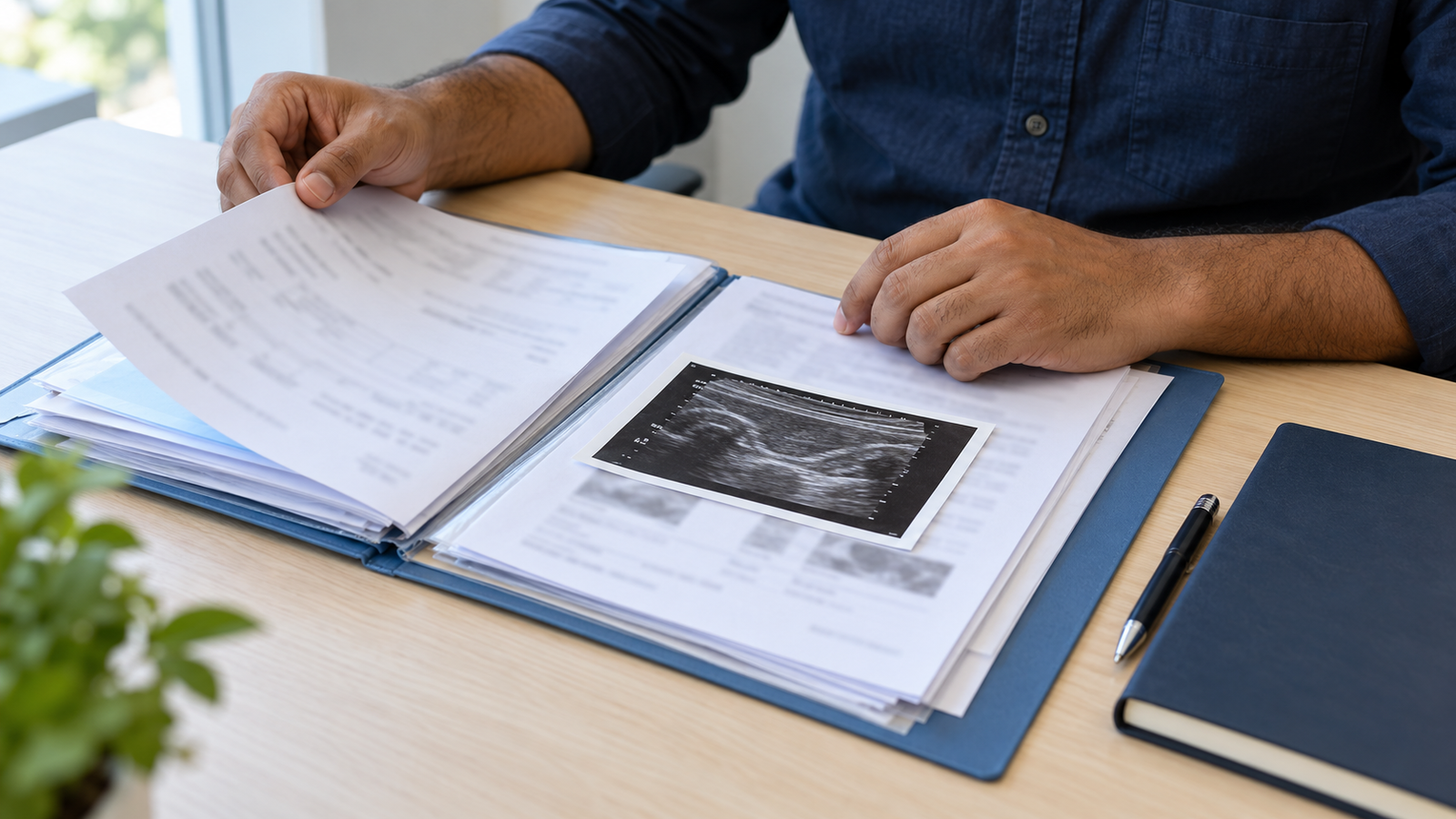
You do not need to buy a package of tests simply to prepare for a consultation. Bring what you already have and let the clinician explain what else is needed.
| Item | Why the surgeon needs it | If you do not have it |
|---|---|---|
| Previous chest reports or scans | Shows earlier findings and investigations | Mention where and when they were done |
| Medicine list | Helps assess possible causes and surgical considerations | Bring packets or clear photographs |
| Supplement and steroid details | Helps identify relevant exposure | Write down names and approximate dates |
| Relevant blood reports | Provides existing health information | Wait for advice before repeating tests |
| Previous operation details | Helps assess scars and earlier treatment | Bring a discharge summary if available |
| Questions and personal goals | Keeps the discussion focused on your concerns | Make a short note on your phone |
| Work and travel plans | Helps discuss realistic recovery arrangements | Describe your usual activities |
Mention allergies, bleeding problems, diabetes and previous anaesthetic difficulties, even if you do not have reports with you.
Will Everyone Need Hormone Tests?
Testing depends on the clinical assessment, including your age, history and examination findings. Tests may investigate hormonal causes, thyroid function, liver or kidney health, or other concerns.
It would be misleading to say that blood tests are needed only when medicines or hormones are suspected. Published guidance describes laboratory investigations as part of the diagnostic evaluation, with further testing tailored to findings.
Ask what each recommended test is intended to clarify. Tests investigating the cause of enlargement are also different from fitness tests requested before surgery.
How Should Photographs and Records Be Handled?
Clinical photographs can help document the starting appearance and support treatment planning. However, this article cannot confirm the clinic’s current photography or storage policy.
Before photographs are taken, ask:
- Why are they needed?
- Can the face be excluded?
- Which identifying details will remain visible?
- Who can access the images?
- Where and how are they stored?
- Is any separate permission requested for teaching or publicity?
A photograph without a face should not automatically be described as anonymous. Tattoos, distinctive marks, or other details may still identify someone.
Consent for a clinical record and permission for public sharing should be discussed separately. Ask the clinic to explain its written consent process rather than assuming your images will or will not be published.
What Should You Ask a gynecomastia doctor near Adajan, Surat?
Start with the questions that matter most to you: what is causing the enlargement, whether treatment is necessary, and what each option could achieve.
At Elegance Clinic, you can arrange a consultation with Dr. Ashutosh Shah and ask who will conduct the examination, explain the proposed operation, and provide follow-up. Confirm these arrangements when booking.
Before leaving, request clarity on:
- The working diagnosis.
- Any tests or referrals needed.
- Treatment options and alternatives.
- Expected scars and limitations.
- Recovery requirements.
- Costs, inclusions and exclusions.
What Can Be Decided on Day One and What Can Wait?
The first visit may establish a likely diagnosis and a provisional treatment plan. A final recommendation may need to wait for reports, medical treatment, or further discussion.
If surgery is proposed, ask for a written estimate and time to consider it. You do not need to choose a date before understanding the procedure, risks and recovery.
You can revisit questions about clothing, work, exercise and travel at another appointment. The Gynecomastia FAQs may help you prepare.
How Should You Plan Your Visit?
Check the Clinic location in Adajan and confirm the appointment details before travelling.
Address check: The clinic’s published location page currently lists unit 205 at Trinity Business Park, whereas the supplied brief stated unit 203. Confirm the correct unit with reception before your visit. Parking availability and the current consultation fee also need direct confirmation.
Wear clothing that is easy to remove and put back on. Bring your questions and available records.
Key Takeaways
- A proper consultation assesses your health as well as your chest.
- Ask what the examination involves before it begins.
- Clarify photograph consent, storage and sharing.
- Bring available reports; avoid arranging tests without advice.
- Confirm the address, fee, and appointment arrangements.
Book a consultation to discuss your concerns and privacy preferences.