

Gynecomastia Consultation: What Happens at the Visit
A gynecomastia consultation usually includes a discussion of your symptoms, medical history, and goals, followed by a chest examination. The doctor assesses fat, gland, and loose skin, explains whether tests are needed, and discusses suitable options. Attending a consultation does not mean you must have surgery.
Step 1: Explain What Has Changed and What Bothers You
The first part of a gynecomastia doctor visit is a conversation. Explain when you first noticed the enlargement, whether it affects one or both sides, and whether it has changed recently.
Mention tenderness, nipple discharge, weight changes, or any previous chest treatment. It also helps to describe how the concern affects you, for example, discomfort during exercise or avoiding certain clothes.
Your goals matter. You may want an explanation of a lump, advice about waiting, or information about surgery. These are different reasons for attending, and the consultation should address yours.
Step 2: Review Your Health, Medicines and Supplements
Bring a complete list of prescribed medicines, over-the-counter products, vitamins and supplements. Include anabolic steroids, prohormones and testosterone products, even if you stopped taking them.
ASPS recommends discussing medical conditions, allergies, previous operations, medicines, supplements, alcohol, tobacco and recreational drug use during the consultation. Honest information helps the surgeon assess safety and possible causes.
Do not stop prescribed treatment before the appointment unless your treating clinician has instructed you to do so.
Tell the doctor about previous problems with anaesthesia, bleeding, or wound healing if surgery is being considered.
Step 3: Understand the Gynecomastia Examination
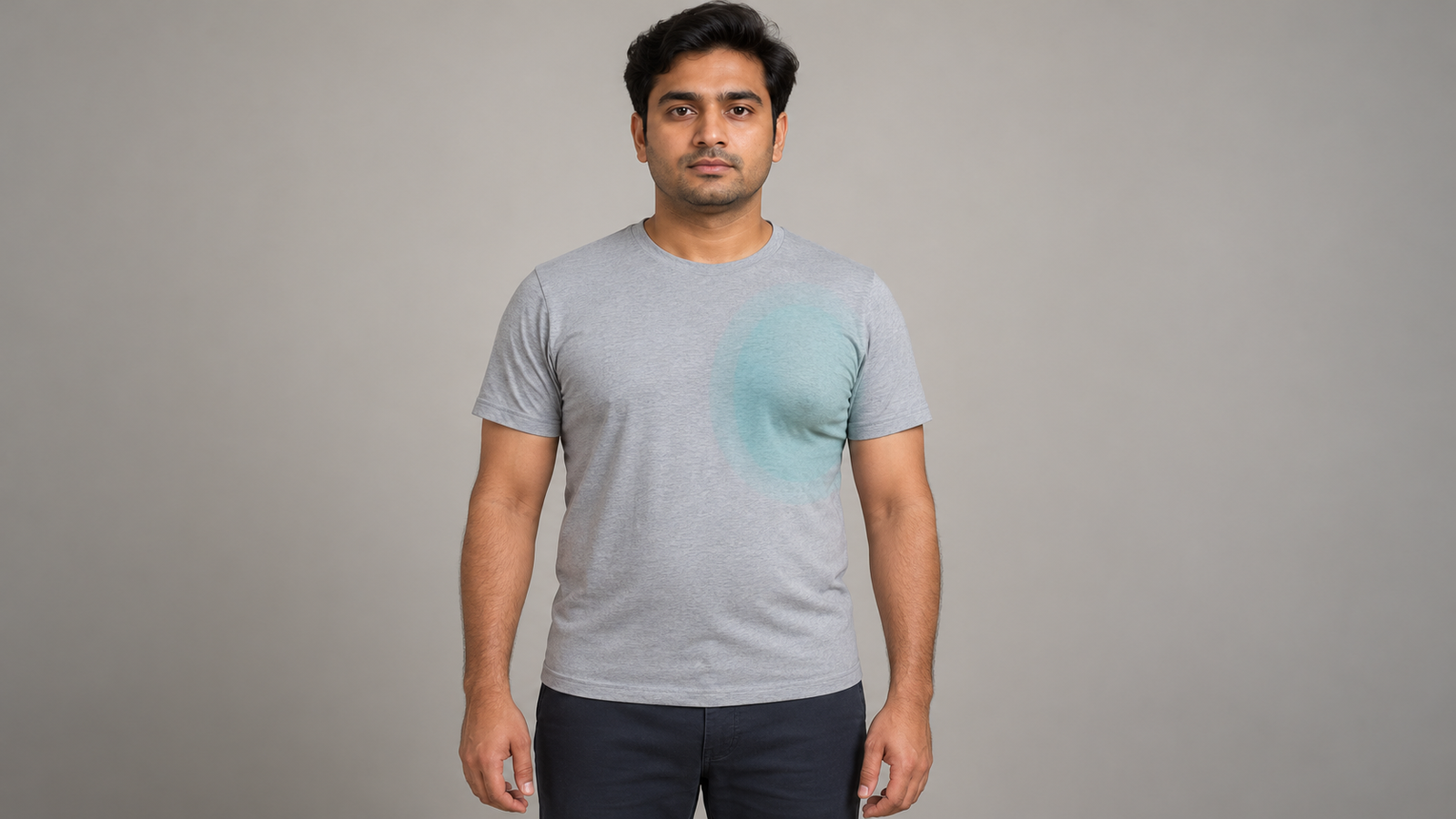
You will usually need to uncover your chest so the doctor can examine it properly. The clinician should explain the examination first and obtain your consent.
The assessment may include:
- Comparing both sides of the chest.
- Feeling for glandular tissue and assessing surrounding fat.
- Checking skin excess and elasticity.
- Assessing nipple and areola position.
- Examining any lump, tenderness, or skin change.
The European Academy of Andrology recommends examination to distinguish glandular enlargement from fatty chest fullness and identify findings that need further investigation. Its guidance also includes genital assessment when evaluating possible underlying causes. Any additional examination should be explained and performed with consent.
A photograph alone cannot reliably establish everything the doctor needs to know. For background, see the fat-versus-gland guide.
Step 4: Discuss Privacy and Clinical Photographs
Feeling nervous about removing your shirt is understandable. Tell the clinician if you would like more explanation, a pause or a chaperone.
You can ask for privacy while changing and to remain covered except where examination is necessary. Professional guidance on intimate examinations emphasises consent, dignity and appropriate covering.
Photographs may be recommended to document your starting appearance and help with treatment planning. Before agreeing, ask:
- Why are photographs needed?
- Can the framing exclude my face?
- Where will the images be stored?
- Who can access them?
- Is permission for teaching or marketing requested separately?
Do not assume that agreeing to clinical photographs also means agreeing to social-media publication. Ask the clinic to explain its consent process and record your preferences.
Step 5: Find Out Whether Tests Are Needed
Not everyone needs the same investigations. The doctor considers your age, symptoms, examination and possible contributing factors.
Blood tests may assess hormone levels or thyroid, liver and kidney function. Imaging may be recommended when the diagnosis is uncertain or an examination finding needs clarification. EAA guidance describes these investigations as part of a clinical evaluation rather than a substitute for it.
There is also a difference between:
- Tests to investigate the enlargement, and
- Preoperative tests to assess fitness for surgery and anaesthesia.
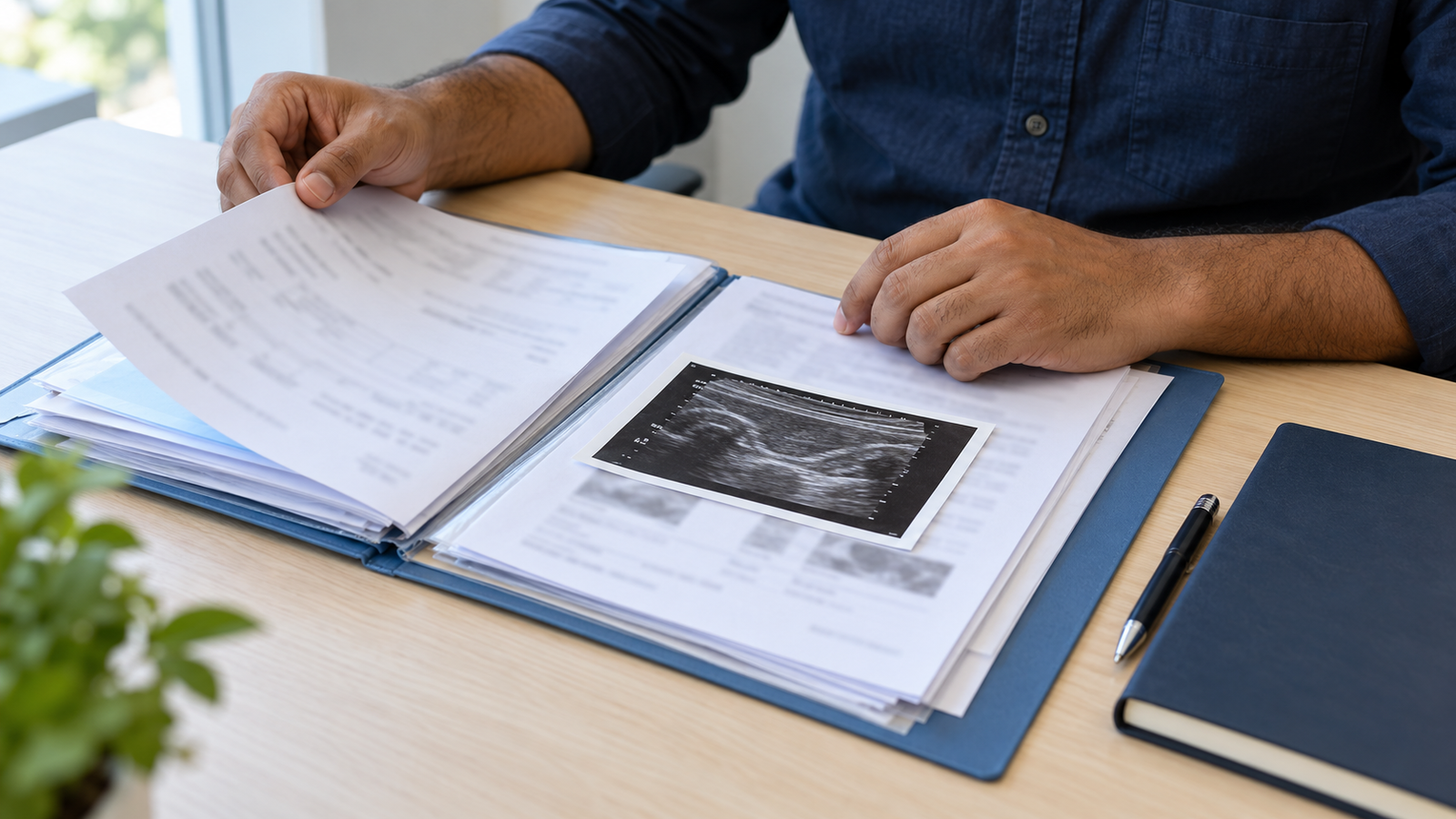
Ask what each recommended test is intended to answer. Bring existing reports, but let the clinician decide whether they remain relevant.
For more detail, read Hormone tests for gynecomastia.
Step 6: Review Your Treatment Options
The next step may be observation, investigating an underlying cause, weight-management support, specialist medical treatment or a surgical discussion.
Gynecomastia does not always require treatment. NHS guidance notes that treating a contributing condition may help and that management depends on the individual situation.
If surgery is appropriate, ask the surgeon to explain which tissues need treatment:
| Finding | What to clarify |
|---|---|
| Mainly fatty fullness | Whether weight management or liposuction fits your goals |
| Firm glandular tissue | Whether direct gland removal is recommended |
| Excess skin or drooping | Whether skin removal or nipple repositioning is needed |
| A combination of tissues | How the proposed procedure addresses each component |
| An unusual examination finding | What investigation or referral should come first |
During a consultation with Dr. Ashutosh Shah at Elegance Clinic, discuss your priorities, concerns about scars, and the recovery time you can realistically arrange. Ask for an explanation of why the proposed plan suits your chest.
Step 7: Discuss Results, Risks, Recovery and Costs
Before deciding on surgery, make sure you understand its practical implications.
Useful questions include:
- What improvement is realistic for my chest?
- Where will the incisions and scars be?
- Could nipple sensation change?
- What type of anaesthesia is proposed, and why?
- When could I return to work and exercise?
- What complications should I understand?
- What is included in the written quote?
- Who provides follow-up and handles concerns?
ASPS encourages patients to ask about qualifications, the surgical facility, recovery, complications, and options if the result does not meet expectations.
You do not have to make a decision immediately. Take time to review the information and ask further questions.
What Should You Bring to the Appointment?
| Item | Why it helps |
|---|---|
| Medicine and supplement list | Helps identify possible causes and treatment risks |
| Previous blood tests or scans | Gives the doctor useful background |
| Earlier operation records | Explains what treatment you have already had |
| Notes about onset and changes | Helps establish the timeline |
| Your questions | Makes it easier to cover what matters to you |
| Work, exercise and travel plans | Helps make recovery discussions practical |
If you do not have reports, you can still attend. Avoid ordering a large test package yourself before the clinician has assessed you.
Which Symptoms Should You Mention When Booking?
Tell the clinic about a new lump, persistent pain, nipple discharge or bleeding, or changes such as skin dimpling. These deserve assessment rather than an assumption that the problem is cosmetic. NHS guidance recommends medical review for these symptoms.
Mention rapid changes too, so the team can advise on an appropriate appointment.
Key Takeaways
- A consultation covers your symptoms, health, examination, and goals.
- Bring a complete medicine and supplement list.
- Ask about consent, privacy, and photograph use.
- Tests and treatment should follow the clinical findings.
- Leave with a clear next step and time to consider your options.
Book a consultation for an individual assessment.