
Can Scar Revision Improve Gynecomastia Surgery Results?
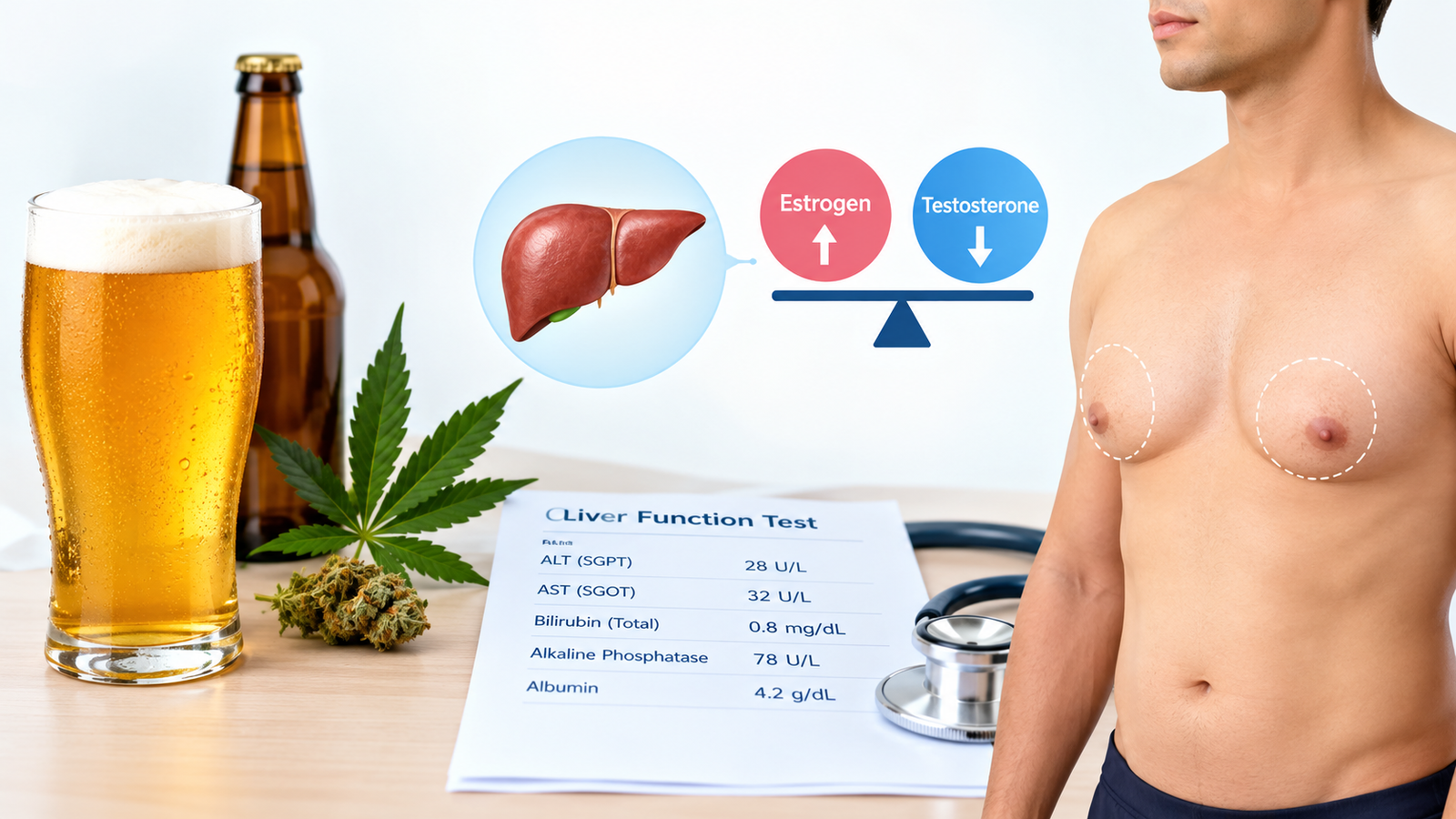
Gynecomastia surgery can significantly improve chest contour and boost confidence. While most patients heal with minimal scarring, some may notice scars that are more visible than expected or remain unhappy with the overall appearance of their chest after surgery. This often leads to an important question: Can scar revision improve gynecomastia surgery results?
The answer is yes, but it depends on the underlying concern.
Understanding Scar Revision
Scar revision is a treatment designed to improve the appearance of scars that have healed poorly. It can make scars less noticeable by reducing their size, improving their texture, or blending them more naturally with the surrounding skin. While scar revision cannot completely erase a scar, it can often make it significantly less visible.
When Can Scar Revision Help?
Scar revision may be beneficial if you have:
- Thick or raised scars (hypertrophic scars)
- Wide or stretched scars
- Uneven or irregular scars
- Scars that cause tightness or discomfort
- Noticeable discoloration around the incision site
Improving these scars can enhance the overall cosmetic outcome of gynecomastia surgery and help patients feel more confident about their results.
When Scar Revision Isn't Enough
If your concerns go beyond the scar itself, scar revision alone may not solve the problem. Some patients experience:
- Residual gland tissue
- Chest asymmetry
- Contour irregularities
- Indentations (crater deformities)
- Excess skin
In these situations, a revision gynecomastia surgery may be necessary to correct the underlying issue and achieve a smoother, more balanced chest appearance.
Scar Revision Treatment Options
The most appropriate treatment depends on the type and severity of the scar. Common options include:
Silicone Therapy
Silicone sheets or gels can help soften and flatten scars while reducing redness over time.
Steroid Injections
For raised or thick scars, corticosteroid injections can decrease inflammation and improve the scar's appearance.
Laser Treatments
Laser therapy can reduce redness, improve skin texture, and make scars blend better with surrounding skin.
Microneedling
Microneedling stimulates collagen production, helping improve scar texture and overall skin quality.
Surgical Scar Revision
In cases of severe or wide scars, a surgeon may remove the old scar and carefully close the incision to create a finer, less noticeable scar.
What Do Doctors Suggest?
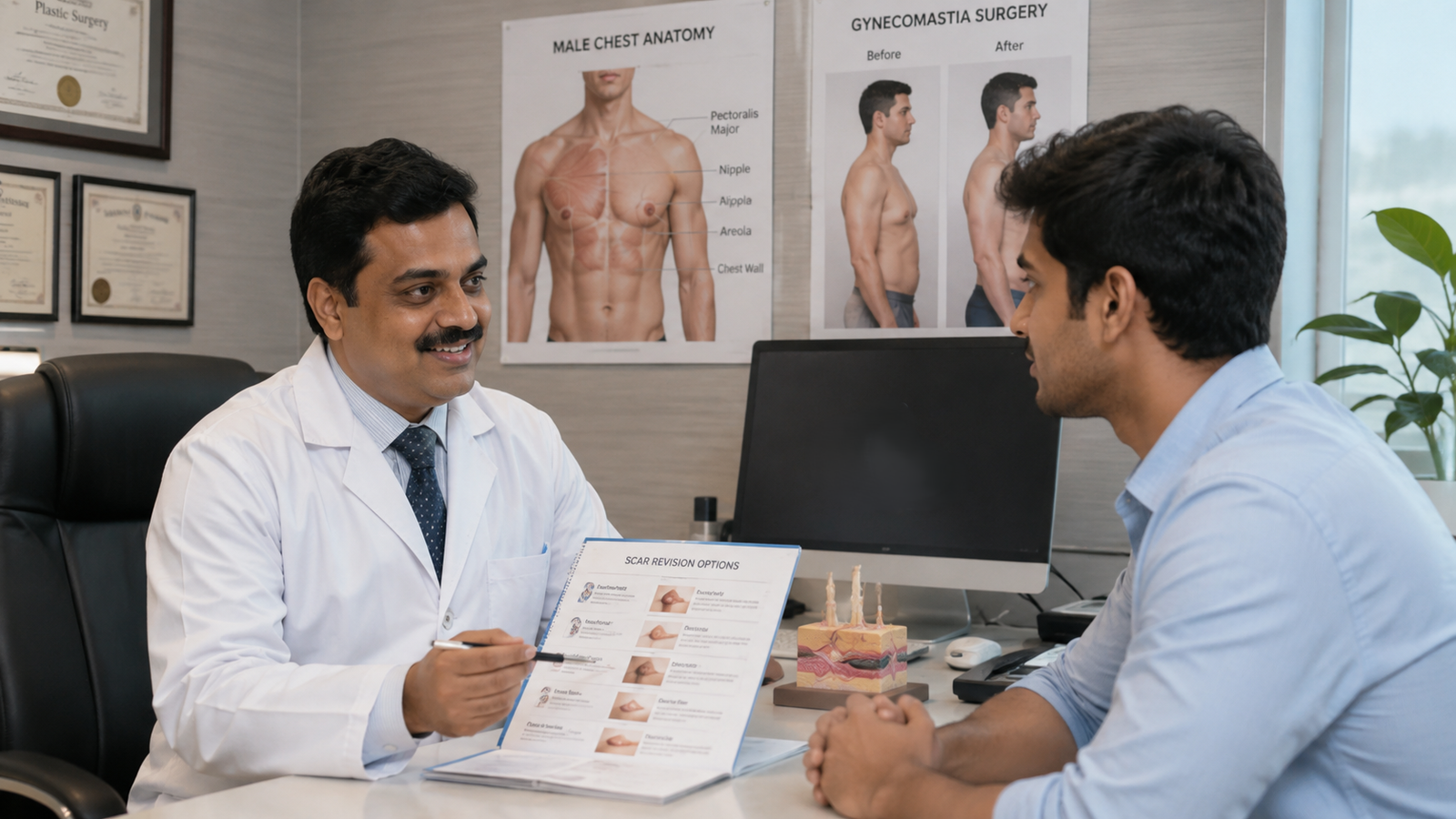
According to Dr. Ashutosh Shah, an experienced plastic and cosmetic surgeon, achieving the best results after gynecomastia surgery involves proper surgical planning at Elegance Clinic, following post-operative care instructions, and allowing scars enough time to mature before considering revision procedures. Patients with persistent scarring or contour concerns should undergo a detailed evaluation to determine whether non-surgical scar treatments or revision surgery would provide the best outcome.
When Should You Consider Scar Revision?
Scars continue to mature for several months after surgery. Most plastic surgeons recommend waiting 6 to 12 months before undergoing surgical scar revision, allowing the scar to fully heal and stabilize. However, non-surgical treatments may be started earlier if your surgeon recommends them.
Choosing the Right Treatment
Every patient's healing process is different. The best way to determine whether scar revision or revision gynecomastia surgery is appropriate is through a thorough evaluation by an experienced plastic surgeon. They can identify whether your concerns are related to scarring, residual tissue, or contour irregularities and recommend the most effective treatment plan.
Final Thoughts
Scar revision can significantly improve the appearance of scars after gynecomastia surgery, enhancing the overall aesthetic result. However, if your concerns involve chest shape, uneven contours, or leftover gland tissue, a more comprehensive revision procedure may be necessary. Consulting an experienced plastic surgeon can help you understand your options and choose the treatment that delivers the best possible outcome.