

Can Diet Reduce Gynecomastia? What You Need to Know
Gynecomastia is a condition in which males develop enlarged breast tissue due to an imbalance between estrogen and testosterone hormones. It can occur during puberty, adulthood, or due to factors such as weight gain, certain medications, hormonal changes, or underlying health conditions.
A healthy diet can help reduce fat accumulation in the chest area, especially in cases of pseudogynecomastia (male breast enlargement caused mainly by excess fat). However, true gynecomastia caused by glandular breast tissue usually cannot be eliminated through diet alone.
Can Diet Reduce Gynecomastia?
Diet can play an important role in managing gynecomastia, but its effectiveness depends on the cause.
If excess fat is the main cause:
A calorie-controlled diet combined with exercise can help reduce overall body fat, including chest fat.
If glandular tissue is the cause:
Diet may improve overall health and body composition, but it usually does not remove the enlarged breast gland tissue. Medical evaluation may be needed for persistent cases.
Foods That May Support Hormonal Balance
A balanced diet can support healthy hormone levels and weight management. Include:
1. High-Protein Foods
Protein helps maintain muscle mass and supports metabolism.
Examples:
- Eggs
- Fish
- Chicken
- Paneer
- Lentils
- Greek yogurt
- Soy products (in moderate amounts)
2. Fruits and Vegetables
These provide antioxidants, vitamins, and fiber that support overall health.
Examples:
- Leafy greens
- Berries
- Citrus fruits
- Broccoli
- Carrots
3. Healthy Fats
Healthy fats support hormone production and overall wellness.
Examples:
- Nuts
- Seeds
- Olive oil
- Avocado
- Fatty fish
Foods to Limit
Certain dietary habits can contribute to weight gain and may affect hormone balance indirectly.
Limit:
- Sugary drinks
- Processed foods
- Excess fast food
- High-calorie snacks
- Excess alcohol consumption
Alcohol, especially when consumed heavily, may affect hormone metabolism and contribute to breast enlargement in some men.
Can Weight Loss Remove Male Breasts?
Weight loss can significantly improve chest appearance when enlargement is mainly due to excess fat.
However:
- Fat loss reduces fatty tissue.
- It does not remove enlarged breast glands.
- Some men may still have a firm lump beneath the nipple after losing weight.
This is why distinguishing between fat-related chest enlargement and true gynecomastia is important.
Exercises That May Help Improve Chest Appearance
Exercise cannot directly remove glandular gynecomastia, but it can strengthen chest muscles and improve body shape.
Helpful exercises include:
- Push-ups
- Bench press
- Chest fly exercises
- Dumbbell presses
- Strength training combined with cardio
A consistent fitness routine can help reduce overall body fat and improve confidence.
When Diet May Not Be Enough
You should consider medical advice if:
- Breast enlargement is firm or painful
- It has been present for many years
- It does not improve after weight loss
- There is significant asymmetry
- It affects confidence or quality of life
Persistent gynecomastia caused by glandular tissue may require treatments such as medication in selected cases or surgical correction.
Gynecomastia Surgery
For men with persistent glandular gynecomastia, surgery is the most effective way to remove excess breast tissue.
Depending on the condition, treatment may involve:
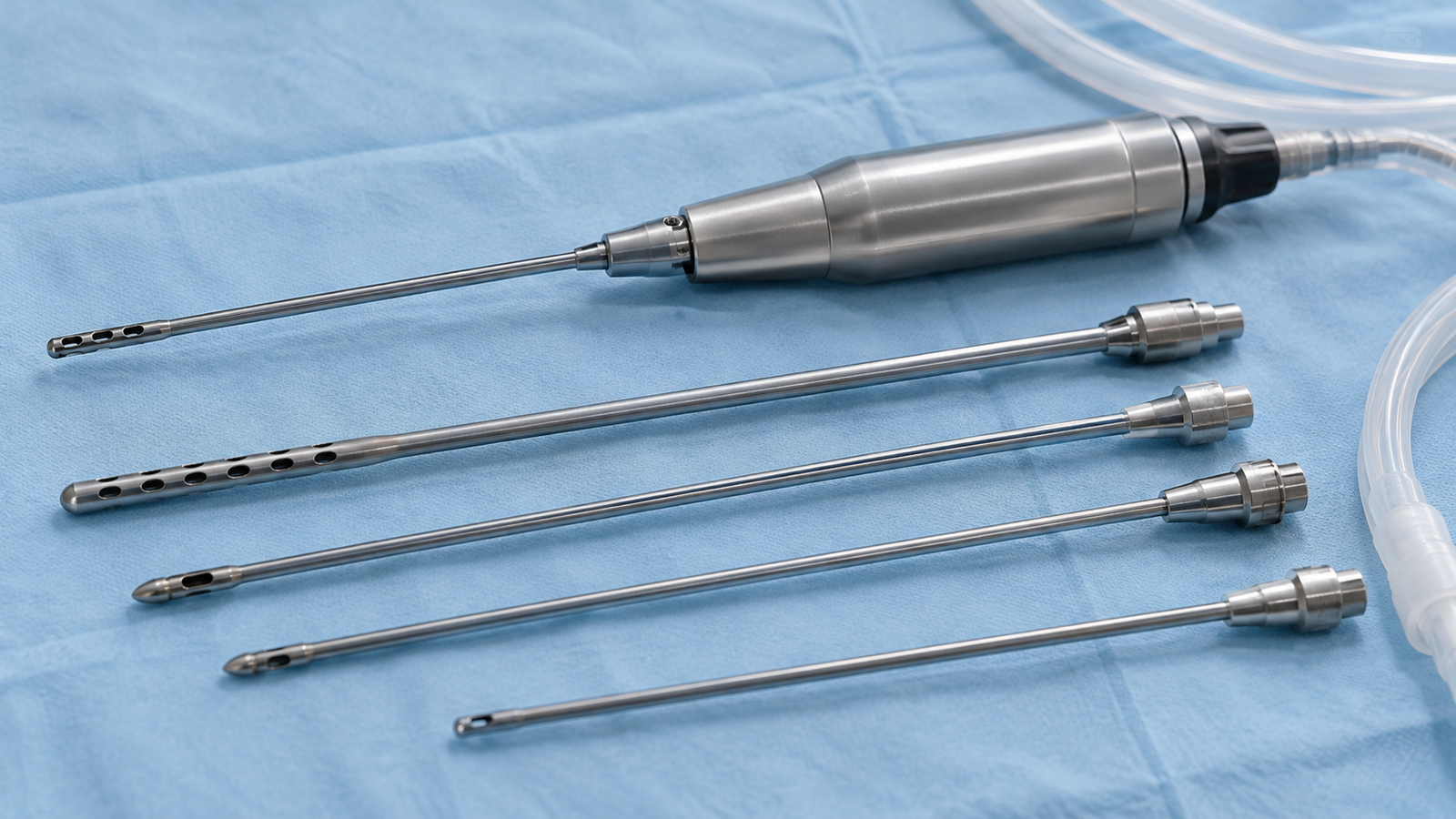
- Liposuction to remove excess fat
- Gland excision to remove firm breast tissue
- A combination of both techniques
Modern techniques aim to achieve a flatter, natural-looking chest with minimal scarring.
Consult an Experienced Gynecomastia Specialist
If diet and exercise do not improve chest enlargement, consulting an experienced specialist can help identify the underlying cause. Dr. Ashutosh Shah at Elegance Clinic, Surat, provides evaluation and treatment options for different grades of gynecomastia, including cases involving excess fat, glandular tissue, or a combination of both.
A personalized consultation can help determine the most appropriate approach based on your body type, severity of gynecomastia, and desired outcome.
Conclusion
A healthy diet can help manage gynecomastia by reducing excess body fat and supporting overall hormonal health. However, diet alone is unlikely to remove true glandular gynecomastia. Understanding the underlying cause is important to choose the right approach, whether it involves lifestyle changes, medical treatment, or surgical correction.
For accurate diagnosis and personalized treatment, consult an experienced gynecomastia specialist who can assess whether your condition is fat-related or glandular.