
Why Is My Chest Still Rounded Even After Exercise and Weight Loss?
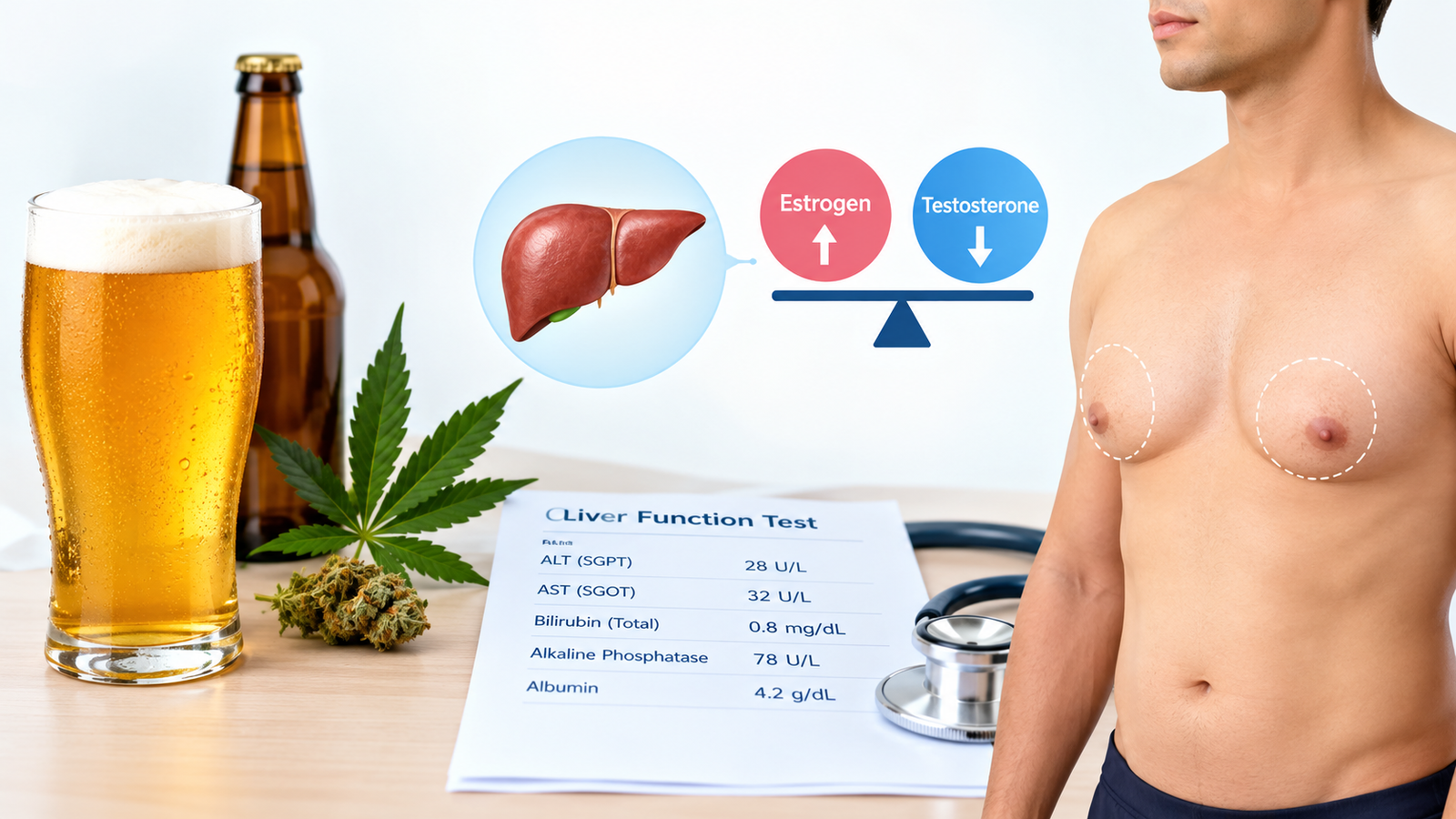
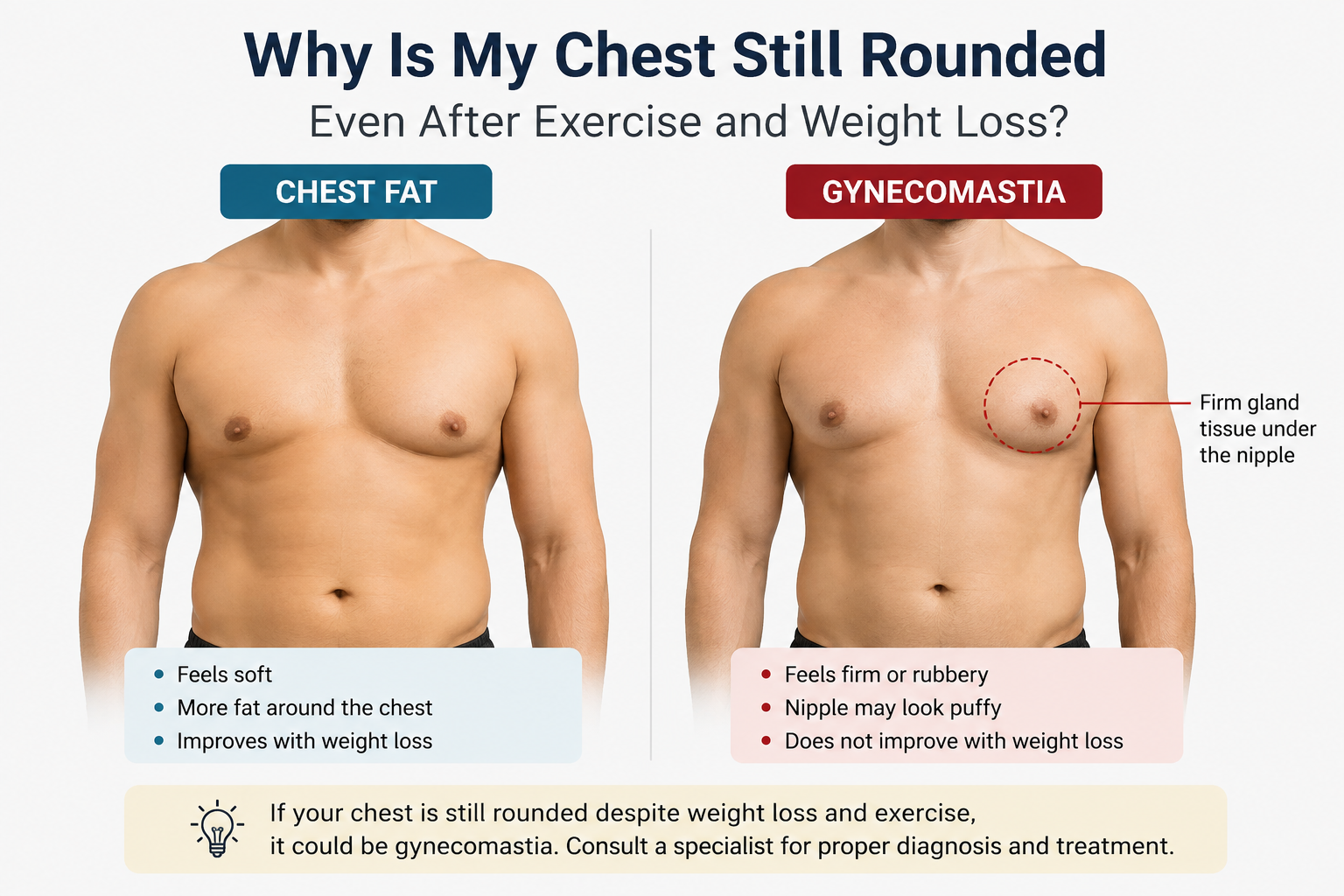
You have lost weight, followed a regular workout routine, and strengthened your chest muscles, but your chest still looks rounded or enlarged. This can be frustrating, especially when the rest of your body has become leaner. One possible reason is gynecomastia. Unlike ordinary chest fat, gynecomastia involves the growth of glandular breast tissue in males. Exercise and weight loss can reduce fat, but they usually cannot remove established glandular tissue. Understanding whether your rounded chest comes from fat, glandular tissue, loose skin, or a combination of these factors can help you choose the right treatment at Elegance Clinic. Weight loss reduces stored body fat throughout the body, including the chest. However, your body cannot selectively burn fat from one specific area. If your chest remains prominent after significant weight loss, several factors may contribute: A physical examination can help determine what is causing the persistent fullness. Yes. Gynecomastia is an enlargement of male breast tissue that develops when glandular tissue grows beneath or around the nipple. Chest fat, sometimes called pseudogynecomastia, mainly consists of fatty tissue. It often decreases as overall body fat decreases. Gynecomastia behaves differently. Even when you become leaner, the glandular component may remain and continue to create a rounded or projected chest. You cannot always determine the cause by appearance alone, but certain features may provide clues. Chest fat often feels soft and spreads more evenly across the chest. It may decrease noticeably when you lose weight. Gynecomastia may feel firmer or more rubbery, particularly underneath the nipple and areola. The nipples may also appear puffy or projected. Some men have both excess fat and glandular tissue, so a surgeon's examination provides a more reliable assessment than trying to diagnose the condition yourself. Exercises such as push-ups, bench presses, and chest flies strengthen the pectoral muscles underneath the breast tissue. They can improve muscle definition, but they do not directly remove glandular breast tissue. In some cases, developing larger pectoral muscles underneath persistent glandular tissue can even make the chest projection more noticeable. Exercise remains important for overall health and body composition, but persistent gynecomastia may require a different approach. Hormonal changes can contribute to gynecomastia. The condition can occur when the balance between testosterone and estrogen activity changes. Gynecomastia commonly develops during puberty and may resolve naturally. It can also occur in adulthood. Certain medications, anabolic steroids, underlying medical conditions, and other factors may contribute. A doctor may recommend further evaluation when the cause is unclear, the enlargement develops suddenly, or other symptoms occur. It depends on what is causing the chest enlargement. If excess fat is the main problem, further healthy fat loss may reduce chest volume. However, repeatedly losing weight in an attempt to eliminate a chest that remains enlarged despite becoming leaner may not solve the problem if glandular tissue is responsible. Maintaining a stable, healthy weight allows a specialist to assess the chest more accurately. Consider consulting a qualified plastic surgeon if: A consultation does not automatically mean you need surgery. The goal is first to identify the reason for the enlargement. The doctor usually begins by discussing your medical history, medications, supplements, weight changes, and how long you have noticed the chest enlargement. During the physical examination, the doctor evaluates the amount and distribution of fat, glandular tissue, skin elasticity, nipple position, and overall chest contour. When appropriate, the doctor may recommend additional investigations to rule out an underlying cause. When established glandular tissue causes persistent gynecomastia, surgery may provide a more definitive correction. Treatment depends on the type of tissue present. Liposuction can reduce excess fatty tissue, while gland excision removes firm glandular tissue. Some patients benefit from a combination of both techniques to create a flatter and more proportionate chest contour. The surgeon selects the technique after examining the individual chest anatomy. Properly removed glandular tissue generally does not grow back in the same way. However, significant weight gain, hormonal changes, anabolic steroid use, certain medications, or some medical conditions can contribute to future chest enlargement. Maintaining a stable weight and following your doctor's recommendations can help preserve the surgical result. According to Dr. Ashutosh Shah, M.Ch. (Plastic Surgery), M.S., M.B.B.S., an experienced Plastic & Cosmetic Surgeon with over 25 years of experience, a rounded chest that persists even after regular exercise and weight loss may indicate gynecomastia rather than excess fat alone. He recommends a proper clinical evaluation to determine whether the fullness comes from glandular tissue, stubborn fat, loose skin, or a combination of these factors, so the doctor can suggest an appropriate and personalized treatment plan.Why Doesn't My Chest Become Flat After Losing Weight?
Could It Be Gynecomastia Instead of Chest Fat?
How Can I Tell the Difference Between Chest Fat and Gynecomastia?
Why Doesn't Chest Exercise Get Rid of Gynecomastia?
Can Hormones Cause a Rounded Male Chest?
Does Losing More Weight Help?
When Should I Consider Gynecomastia Treatment?
How Does a Doctor Diagnose Gynecomastia?
Can Surgery Make a Rounded Chest Flatter?
Will Gynecomastia Come Back After Surgery?
When Should You See a Doctor?
Conclusion
If your chest remains rounded even after exercise and weight loss, gynecomastia may be one possible reason. Losing fat and building muscle can improve your overall chest appearance, but neither approach can reliably eliminate established glandular breast tissue.
The most useful next step is to determine whether the fullness is due to fat, glandular tissue, loose skin, or a combination of these factors. Once the cause is clear, a qualified plastic surgeon can explain whether continued lifestyle changes, observation, or gynecomastia treatment is appropriate for you.