
Vaser Liposuction for Gynecomastia in Varachha, Surat: Procedure, Recovery and Cost Factors
VASER liposuction for gynecomastia uses ultrasound-assisted technology to break down excess chest fat before removal. Patients with firm glandular tissue may also require gland excision. Treatment involves consultation, medical assessment, surgery, recovery and follow-ups.
Key Takeaways
-
VASER liposuction primarily targets excess chest fat.
-
Firm glandular tissue may require surgical excision.
-
Treatment suitability depends on chest composition and general health.
-
Recovery involves swelling management, wound care and activity restrictions.
-
Treatment costs depend on surgical complexity and additional procedures.
-
Dr. Ashutosh Shah at Elegance Clinic can assess individual treatment requirements.
What Is Vaser Liposuction for Gynecomastia and Who Is It For?
VASER stands for Vibration Amplification of Sound Energy at Resonance. It is an ultrasound-assisted liposuction technique that helps break down fat before it is removed through suction.
In male chest contouring, this technique may help reduce excess fatty tissue and improve chest proportions.
However, gynecomastia can involve enlarged glandular tissue, excess fat or a combination of both. Identifying the underlying tissue is essential before selecting a surgical technique.
Patients with predominantly fatty enlargement may benefit from liposuction. Those with dense glandular tissue may require direct surgical excision alongside liposuction.
Read more about pure glandular gynecomastia to understand why liposuction alone may not be suitable for every patient.
Who may be a suitable candidate?
Suitable candidates generally have persistent chest enlargement, stable general health, reasonably stable weight and realistic expectations.
The surgeon must also evaluate skin elasticity, chest symmetry and possible underlying medical or hormonal causes.
Patients with unexplained breast lumps, nipple discharge or recent enlargement should undergo appropriate medical assessment before considering cosmetic treatment.
VASER liposuction is not a weight-loss procedure or a treatment for underlying hormonal disorders.
How Is the Procedure Done, Step by Step?
The surgical approach depends on the amount of fat, glandular tissue and excess skin present.
The following describes a general treatment pathway.
Step 1: Initial consultation
Dr. Ashutosh Shah can examine the chest and discuss medical history, previous treatments, medicines and patient expectations.
This assessment helps determine whether VASER liposuction alone or a combined procedure may be appropriate.
Step 2: Preoperative assessment
Blood tests, anaesthesia assessment and additional investigations may be recommended depending on individual health.
Patients should disclose all medicines, supplements, allergies and previous medical conditions.
Step 3: Anaesthesia and surgical preparation
The anaesthesia technique is selected according to the planned procedure and medical assessment.
The surgical area is prepared, and small incisions are made where appropriate.
Step 4: Ultrasound-assisted fat removal
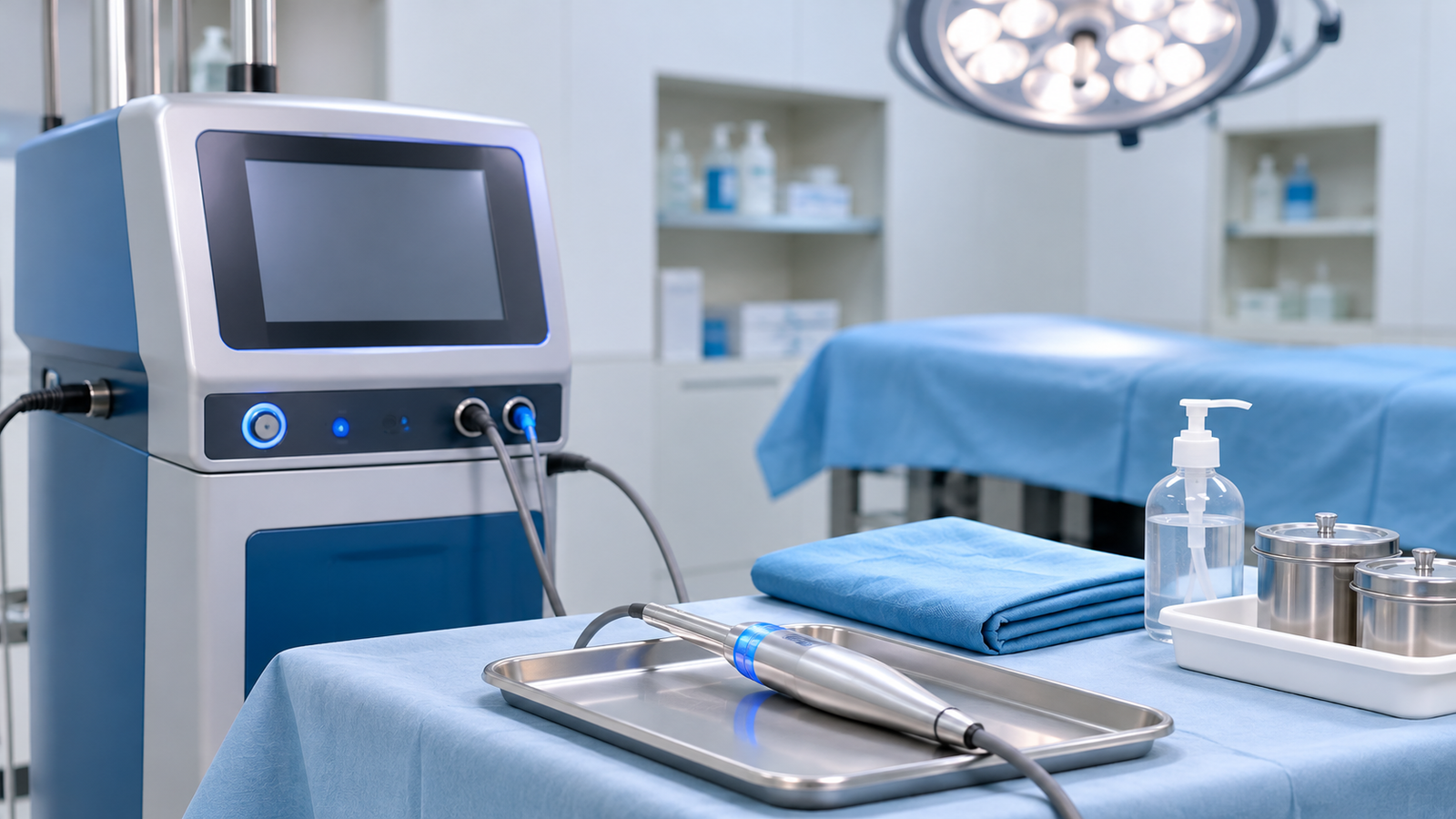
A specialised ultrasound probe delivers energy to help disrupt fatty tissue. The treated fat is then removed using suction.
The surgeon assesses chest contour and symmetry during the procedure.
Step 5: Additional gland excision, if required
If significant firm glandular tissue remains, direct excision may be necessary.
Patients should understand this possibility before surgery because it can influence incision placement, recovery and cost.
For a detailed comparison of techniques, read vaser vs traditional liposuction for gynecomastia.
Step 6: Dressing and postoperative monitoring
After surgery, dressings are applied, and a compression garment may be recommended. Patients are monitored before discharge.
Recovery: What Do the First Weeks Look Like?
Recovery after VASER liposuction for gynecomastia varies depending on surgical complexity, additional gland excision and individual healing.
The first few days
Patients may experience swelling, bruising, tenderness and chest tightness. Temporary changes in sensation are also possible.
Take prescribed medicines as directed, protect the dressings and avoid unnecessary pressure on the operated area.
Gentle walking may be encouraged when medically appropriate.
The first week
Swelling and bruising may remain noticeable. Patients should avoid heavy lifting, strenuous exercise and activities that place stress on healing tissues.
A compression garment may be prescribed to support the treated area.
The following weeks
As healing progresses, discomfort and swelling may gradually decrease.
Patients with desk-based jobs may return to work earlier than those performing physically demanding activities.
Driving should resume only when the patient is medically cleared, alert and able to respond safely without significant discomfort.
Chest workouts, heavy weight training and contact sports require specific clearance.
When should you seek medical attention?
Contact the treating team if you experience increasing redness, fever, unusual wound discharge, worsening pain or sudden swelling.
Severe chest pain, breathing difficulty, fainting or uncontrolled bleeding requires immediate emergency medical attention.
The final chest contour becomes clearer as swelling settles and tissues heal. Early postoperative appearance should not be considered the final result.
Which Factors Change the Cost?
The cost of VASER liposuction for gynecomastia is determined by individual treatment requirements rather than a single standard price.
Amount of fatty tissue
The extent of chest enlargement influences the surgical plan, treatment area and operating time.
Additional gland excision
Patients with significant glandular enlargement may require combined treatment. This can increase surgical complexity and associated charges.
Skin elasticity and chest contour
Loose skin, asymmetry or previous surgery may require additional assessment and treatment.
Anaesthesia and hospital facilities
The type of anaesthesia, operating theatre facilities, monitoring and hospital stay contribute to the overall cost.
Investigations and postoperative care
Preoperative tests, medicines, compression garments, dressings and follow-up visits may be included in the package or charged separately.
Request a written quotation that explains what is included, whether additional gland excision changes the price and how unexpected medical requirements are handled.
Choosing treatment solely on the lowest quoted price may overlook important considerations such as surgical suitability, safety and postoperative support.
Vaser liposuction for gynecomastia in varachha surat: Reaching the Clinic
Patients planning treatment should organise their consultation, investigations, surgery and postoperative support in advance.
Before visiting the clinic
Prepare a list of current medicines, previous operations, allergies and relevant medical reports.
If you have previously attempted weight loss or other treatments for chest enlargement, discuss these during your consultation.
Ask whether preliminary online consultation is available. An in-person examination may still be necessary before confirming the surgical technique.
Planning the procedure date
Choose a date that allows sufficient time away from work, exercise and other responsibilities.
Arrange for a responsible adult to accompany you after surgery, particularly when sedation or general anaesthesia is used.
Planning the return journey
Avoid driving yourself home following sedation or general anaesthesia.
The timing of longer journeys depends on your recovery, comfort and potential postoperative risks.
Follow-up arrangements
Confirm postoperative appointments before leaving the clinic. Ask how to obtain medical advice if swelling, discomfort or wound-related concerns develop at home.
Dr. Ashutosh Shah at Elegance Clinic can discuss a personalised treatment and recovery plan following assessment.
For appointment information and consultation arrangements, visit contact us.
Questions to Ask Before You Decide
Before choosing VASER liposuction, understand what the procedure can achieve and where its limitations lie.
Ask your surgeon the following questions:
-
Is my chest enlargement mainly caused by fat or glandular tissue?
-
Am I suitable for VASER liposuction alone?
-
Will additional gland excision be necessary?
-
Where will the incisions be placed?
-
What are the potential complications?
-
How long will I need a compression garment?
-
When can I return to work and exercise?
-
What is included in the treatment quotation?
Possible complications include infection, bleeding, fluid accumulation, contour irregularities, burns, scarring and changes in sensation. Additional treatment may occasionally be required.
No surgical technique guarantees perfect symmetry, invisible scars or permanent protection against future chest enlargement.
For more information about treatment suitability, read gynecomastia surgery candidate.
Conclusion
VASER liposuction for gynecomastia may be suitable for patients with excess chest fat, while firm glandular enlargement may require additional excision.
Understanding treatment suitability, surgical risks, recovery requirements and cost factors helps patients make informed decisions.
Dr. Ashutosh Shah at Elegance Clinic can assess individual concerns and recommend an appropriate treatment plan.