

Is grade 3 gynecomastia surgery safe?
Grade 3 gynecomastia surgery can be performed safely in appropriately selected patients by a qualified surgeon after proper medical assessment. Temporary swelling, bruising and discomfort are common. Understanding grade 3 gynecomastia surgery risks, recognising warning signs and following postoperative instructions can help reduce avoidable complications.
Key Takeaways
-
Grade 3 gynecomastia may require gland excision, liposuction and excess skin removal.
-
Temporary swelling, bruising and discomfort are expected after surgery.
-
Proper medical assessment helps identify individual surgical risks.
-
Sudden swelling, bleeding and infection require prompt medical attention.
-
Following postoperative instructions supports safe recovery.
-
Dr. Ashutosh Shah at Elegance Clinic can assess treatment suitability and individual risk factors.
Which Side Effects Are Common and Temporary?
Grade 3 gynecomastia generally involves substantial male breast enlargement, often accompanied by excess skin, depending on the grading system used.
Treatment may involve removing fatty tissue, enlarged glandular tissue and excess skin. The extent of surgery influences recovery and potential side effects.
Understanding grade 3 gynecomastia surgery risks helps patients distinguish expected postoperative changes from complications.
Common temporary side effects include:
-
Swelling: The treated area may appear swollen during early recovery.
-
Bruising: Skin discolouration may develop around the surgical area.
-
Discomfort: Mild to moderate pain and tightness may occur.
-
Temporary numbness: Changes in chest or nipple sensation are possible.
-
Restricted movement: Arm movements may initially feel uncomfortable.
Patients with more extensive tissue removal may require additional recovery time compared with those undergoing smaller procedures.
Read puffy nipple only treating grade 1 gynecomastia without overtreating it to understand how treatment requirements differ according to severity.
Grade 3 Gynecomastia Surgery Risk Table
| Side Effect | How Common | How Long | What to Do |
|---|---|---|---|
| Haematoma | Possible complication | Varies | Seek prompt medical assessment |
| Seroma | Possible complication | Varies | Contact the surgeon |
| Infection | Possible complication | Varies | Obtain medical assessment |
| Tissue damage | Potentially serious | Varies | Seek urgent medical attention |
Which Complications Are Rare but Important?
Although many patients recover without major complications, no surgical procedure is completely risk-free.
Potential grade 3 gynecomastia surgery complications include the following.
Haematoma and seroma
A haematoma occurs when blood collects beneath the skin. A seroma develops when fluid accumulates around the treated tissues.
Sudden swelling, increasing tightness or significant discomfort requires prompt assessment.
Infection and delayed healing
Infection may cause redness, warmth, fever or unusual discharge. Smoking, uncontrolled diabetes and other health conditions can increase wound-healing risks.
Changes in chest contour
Uneven tissue removal, residual enlargement or differences in skin contraction may result in asymmetry or contour irregularities.
Patients with existing asymmetry may find unilateral gynecomastia treatment for one side chest problem helpful.
Scarring and tissue damage
More extensive procedures may require longer incisions. Permanent scars, changes in nipple sensation and compromised blood supply to the skin or nipple are possible.
Other grade 3 gynecomastia surgery risks include anaesthesia-related complications and blood clots. Individual risk levels depend on medical history and surgical complexity.
How Are Risks Reduced Before and During Treatment?
Appropriate preparation plays an important role in surgical safety.
Detailed medical assessment
The surgeon evaluates chest enlargement, skin elasticity, medical history and possible underlying hormonal or medication-related causes.
Understanding whether enlargement involves fat, glandular tissue or both helps guide treatment.
Read gynecomastia or just chest fat for more information about these differences.
Preoperative investigations
Depending on individual health, investigations may include blood counts, blood sugar testing, clotting tests, hormonal assessment and anaesthesia evaluation.
Managing existing health conditions
Uncontrolled diabetes, high blood pressure and active infections may require treatment before elective surgery.
Patients should disclose medicines, supplements, allergies, smoking habits and previous surgical procedures.
Do not stop prescribed medicines without medical advice.
Selecting an appropriate surgical technique
Liposuction, gland excision and skin removal may be combined when necessary. The surgeon should select a technique based on individual anatomy rather than severity alone.
Proper anaesthesia assessment, sterile operating conditions and postoperative monitoring can help reduce grade 3 gynecomastia surgery risks.
How Do You Check a Doctor's Qualifications?
Choosing an appropriately qualified surgeon is an important part of planning gynecomastia treatment.
Before deciding, check the surgeon's recognised medical qualifications, professional registration and experience in plastic and reconstructive surgery.
Ask about:
-
Experience treating advanced gynecomastia.
-
Suitable surgical techniques and alternatives.
-
Anaesthesia arrangements and facility standards.
-
Management of possible complications.
-
Expected scars and realistic outcomes.
-
Postoperative support and emergency contact arrangements.
Dr. Ashutosh Shah at Elegance Clinic can discuss surgical options, individual suitability and potential complications during consultation.
Patients should receive clear information about benefits, limitations and risks before providing informed consent.
Avoid choosing a procedure based solely on price or promises of scar-free, risk-free results.
Which Signs After Treatment Need Urgent Attention?
Some postoperative swelling and bruising are expected. However, symptoms that suddenly appear or progressively worsen should not be ignored.
Contact your surgeon promptly if you notice:
-
Sudden or rapidly increasing chest swelling.
-
Persistent bleeding or unusual wound discharge.
-
Fever, increasing redness or warmth.
-
Severe or worsening pain.
-
Wound separation.
-
Darkening or unusual colour changes around the nipple or skin.
Seek immediate emergency medical assistance for breathing difficulties, severe chest pain, fainting or uncontrolled bleeding.
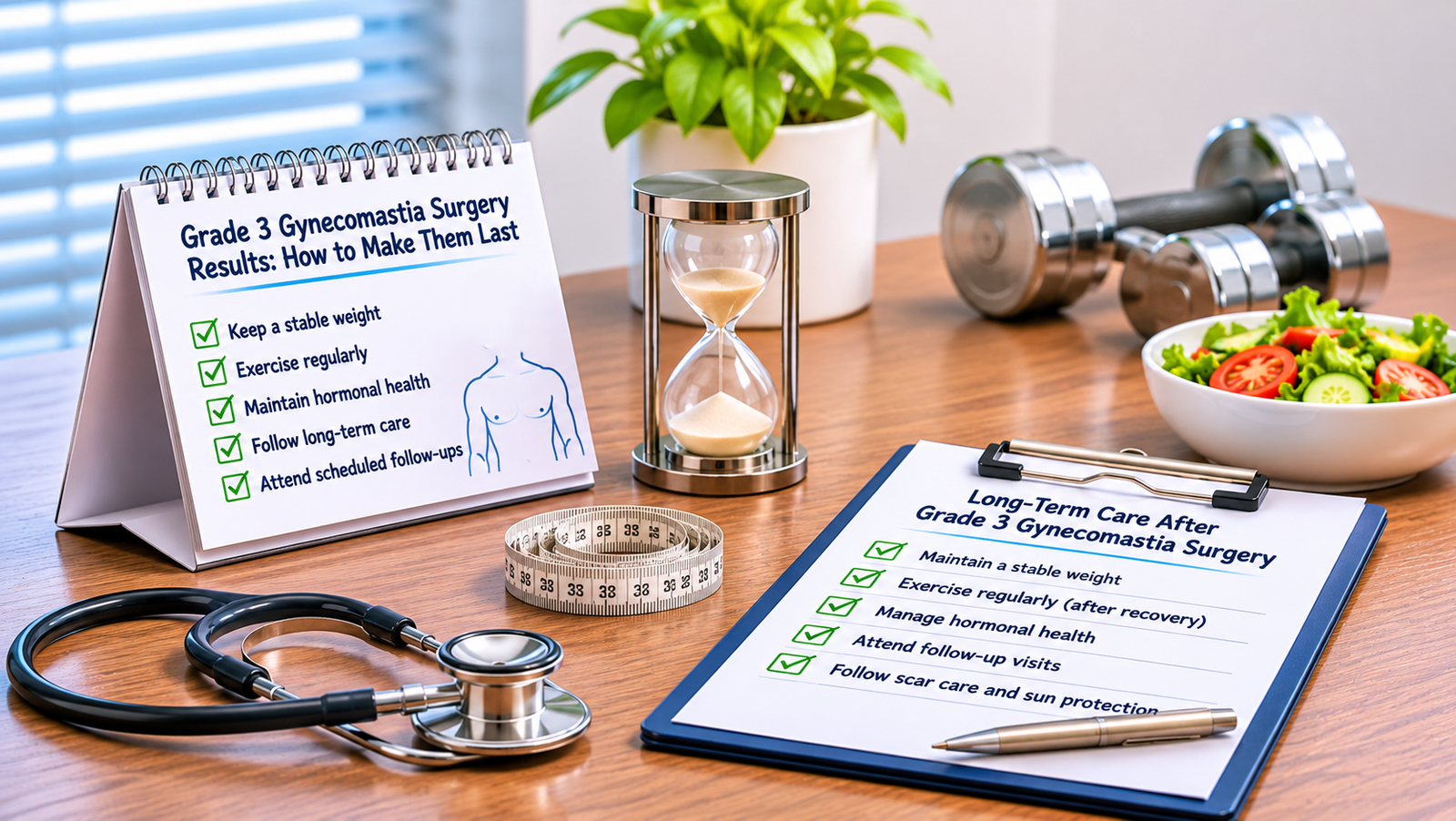
Following postoperative instructions, wearing prescribed compression garments and attending scheduled follow-ups can help identify complications early.
grade 3 gynecomastia surgery in katargam surat: Safety and Consultation
Patients considering surgery should begin with a consultation to understand their chest enlargement, treatment options and individual health risks.
At Elegance Clinic, Dr. Ashutosh Shah can discuss whether liposuction, gland excision or additional skin removal may be appropriate.
Prepare relevant medical reports and a list of current medicines before your appointment. Discuss expected recovery, possible complications and postoperative arrangements.
For consultation information, visit contact us.
Conclusion
Understanding grade 3 gynecomastia surgery risks is essential before deciding on treatment. Appropriate patient selection, surgical planning and postoperative care can help reduce complications.
Consult Dr. Ashutosh Shah at Elegance Clinic to discuss your individual condition, treatment options and recovery expectations.
Learn how risks are kept low before, during and after gynecomastia surgery at Elegance Clinic.