

Is Painful Gynecomastia a Sign of a Serious Problem?
Painful gynecomastia is not always a sign of a serious health problem. In many men, breast enlargement can cause tenderness, sensitivity, or discomfort, especially when the condition develops recently. However, persistent pain or unusual breast changes should be evaluated by a doctor to identify the underlying cause.
What Is Painful Gynecomastia?
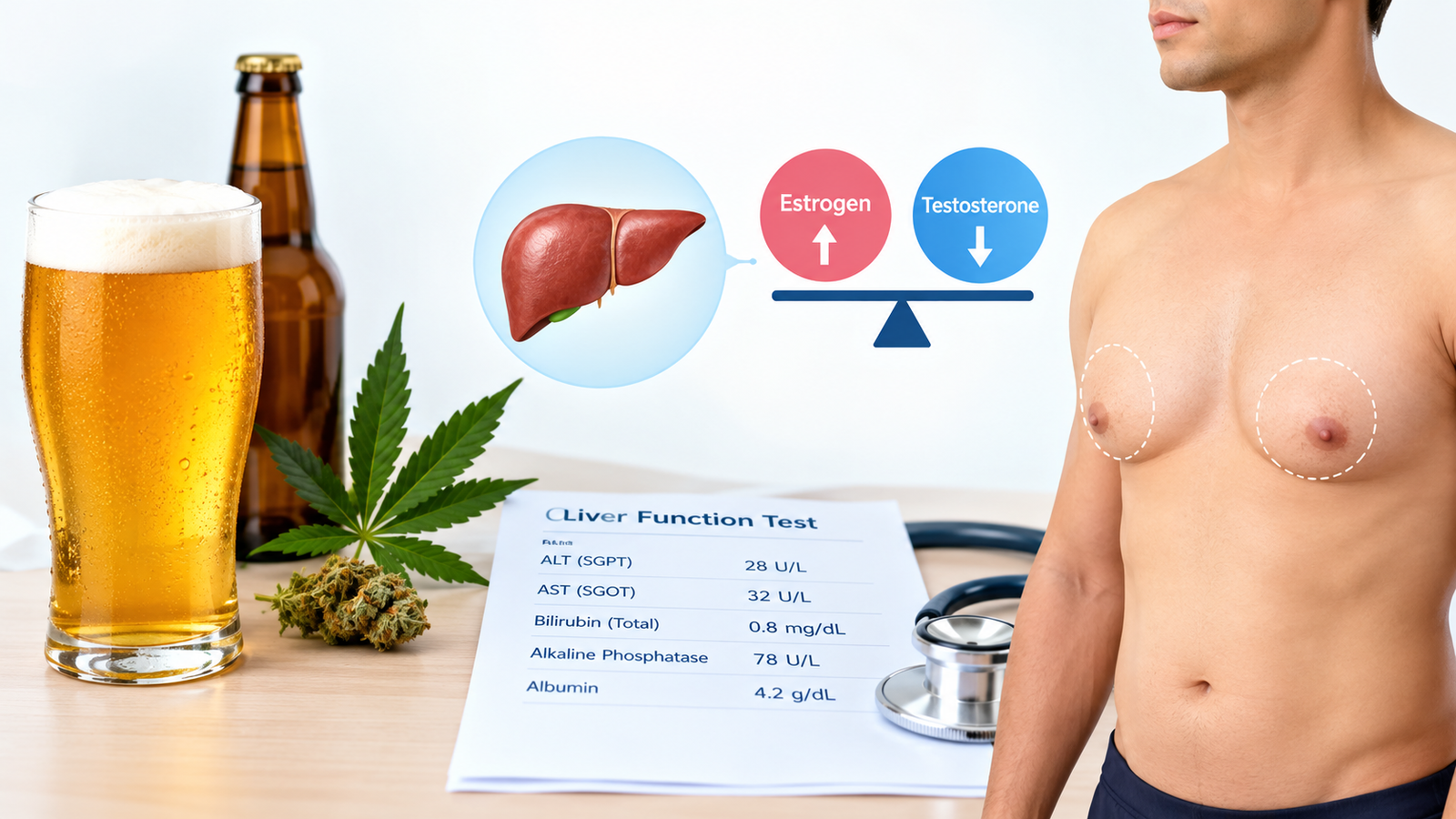
Gynecomastia is the enlargement of male breast tissue, usually because of an imbalance between estrogen and testosterone. When glandular tissue grows beneath the nipple, it can become tender or painful.
Some men experience discomfort only when touching the chest, while others may notice pain during exercise or when clothing rubs against the nipples.
Common symptoms include:
- Tenderness around the nipple
- Sensitivity when touching the chest
- A firm lump beneath the nipple
- Swelling in one or both breasts
- Discomfort during exercise
- Pain caused by pressure or friction
Pain is particularly common when gynecomastia is relatively new, and the breast tissue is actively developing.
Is Painful Gynecomastia Usually Serious?
In most cases, gynecomastia is benign, meaning it is not cancerous. Hormonal changes during puberty are a common example. Adolescent boys may develop temporary breast enlargement and tenderness, which often improves as hormone levels stabilize.
Adults can also develop gynecomastia because of hormonal changes, certain medications, weight changes, or underlying health conditions.
Therefore, breast pain alone does not necessarily indicate a dangerous condition.
When Should You See a Doctor?
Although painful gynecomastia is commonly harmless, certain symptoms require medical evaluation. You should consult a doctor if you notice a new or persistent breast lump or unusual changes.
Pay particular attention to:
- A hard or unusual lump
- Rapid breast enlargement
- Persistent or worsening pain
- Significant one-sided enlargement
- Nipple discharge
- Bloody discharge
- Nipple inversion
- Skin dimpling or unusual skin changes
- Swelling around the armpit
These symptoms do not automatically indicate cancer. However, they should be investigated rather than ignored.
Can Male Breast Cancer Cause Pain?
Male breast cancer is uncommon. In addition, it often presents as a firm, painless lump rather than the tender glandular tissue commonly associated with gynecomastia.
However, symptoms can vary. Therefore, any new, hard, persistent, or unusual breast lump should be examined by a qualified medical professional.
A proper examination can help distinguish gynecomastia from other causes of male breast enlargement.
What Causes Painful Gynecomastia?
Several factors can contribute to painful breast enlargement in men.
Hormonal Changes
An imbalance between testosterone and estrogen can stimulate the growth of glandular breast tissue. This can happen during puberty, aging, or certain medical conditions.
Medications
Some prescription medicines can contribute to gynecomastia. If breast enlargement develops after starting a medication, discuss it with your doctor. Do not stop prescribed medication without medical advice.
Weight Gain
Weight gain can increase chest fat and may make existing gynecomastia more noticeable. However, fatty chest tissue and true glandular gynecomastia are different conditions.
Underlying Health Conditions
Certain thyroid, liver, kidney, and hormonal conditions can contribute to gynecomastia. If your doctor suspects an underlying condition, blood tests or other investigations may be recommended.
Does Painful Gynecomastia Need Surgery?
Not every case requires surgery. Treatment depends on the cause, duration, severity, and type of tissue involved.
If gynecomastia is caused by a temporary hormonal change or another reversible factor, addressing the underlying cause may be sufficient.
However, persistent gynecomastia can sometimes cause ongoing discomfort or affect confidence and body image. In such cases, surgery may be considered.
Depending on the patient's condition, treatment can include:
Liposuction: Removes excess fatty tissue and helps improve chest contour.
Gland excision: Removes firm glandular breast tissue that cannot be effectively removed through liposuction alone.
Combination treatment: Liposuction and gland removal may be performed together when both fat and glandular tissue contribute to breast enlargement.
The appropriate approach should be decided after an individual examination.
Can Gynecomastia Surgery Reduce Pain?
When enlarged glandular tissue causes persistent discomfort, removing the excess tissue may help relieve symptoms. Surgery can also improve the overall shape and contour of the chest.
However, surgery should not be considered solely because the breast is painful. Identifying the underlying cause is an important first step.
What Should You Do About Painful Male Breast Enlargement?
If you notice breast tenderness or enlargement, avoid assuming that it is automatically gynecomastia. A doctor can examine the area and determine whether the problem is related to glandular tissue, excess fat, hormonal changes, medication, or another condition.
At Elegance Clinic, Dr. Ashutosh Shah, a Plastic, Reconstructive and Cosmetic Surgeon with more than 22 years of experience, can evaluate male breast enlargement and discuss suitable treatment options based on the individual's condition.
Final Takeaway
Painful gynecomastia is usually not a serious condition, particularly when it involves tender glandular tissue beneath the nipple. Nevertheless, persistent pain, a hard lump, rapid enlargement, nipple discharge, or skin changes should be medically evaluated.
Early assessment can identify the cause and help determine whether observation, medical management, or gynecomastia surgery is appropriate.