
Can Asymmetric Gynecomastia Be Corrected With Surgery?
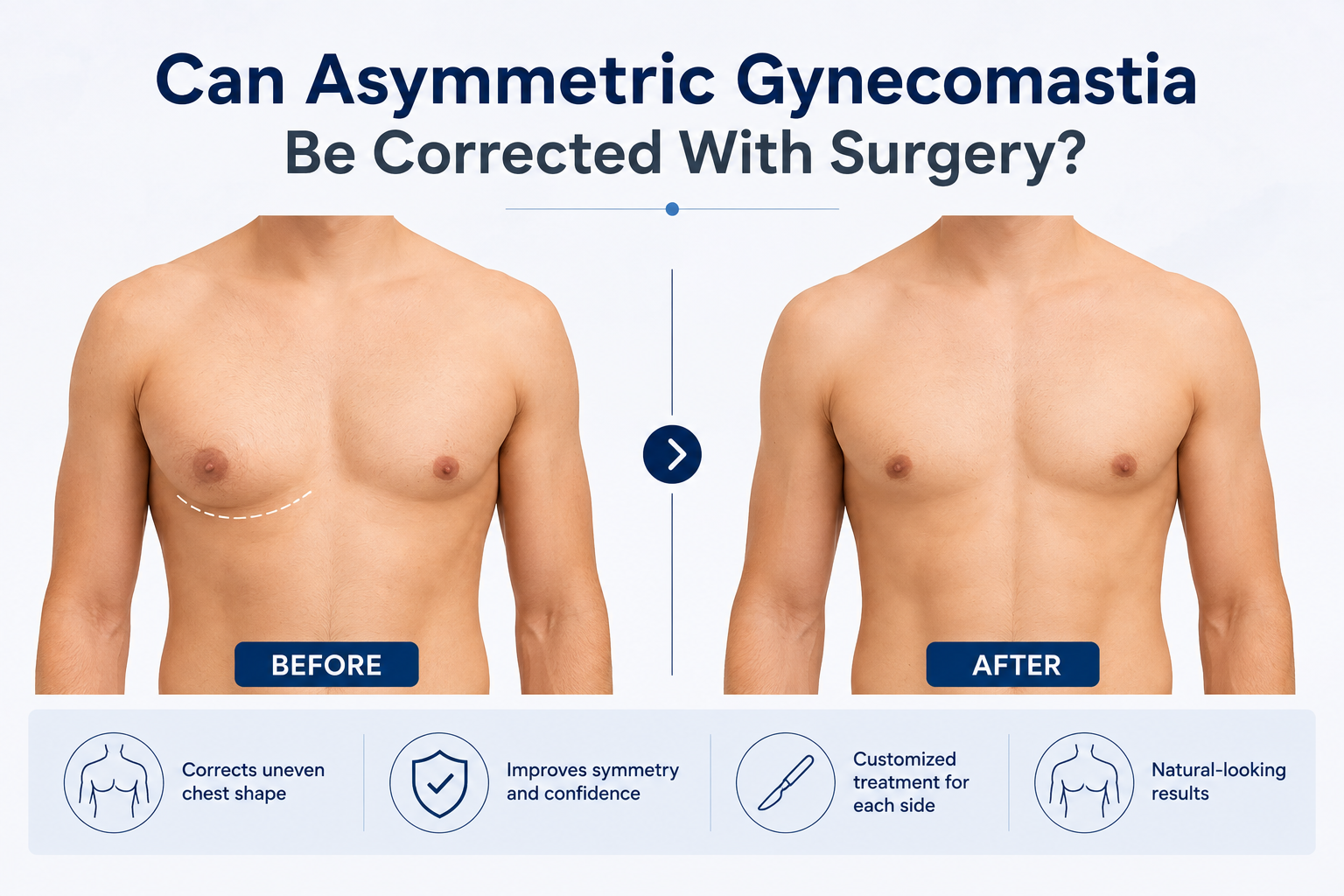
Yes, asymmetric gynecomastia can often be corrected with surgery. When one side of the male chest has more glandular tissue, fat, or loose skin than the other, the surgical approach can be adjusted for each side rather than treating both sides the same way.
The goal is not simply to remove breast tissue. Instead, the procedure aims to create a more balanced chest contour while maintaining a natural appearance.
Why Does One Side Look Bigger?
Gynecomastia does not always develop equally on both sides. One breast may contain more glandular tissue, while the other may have more fat or a different combination of tissues.
Chest asymmetry can also be influenced by:
- Unequal glandular tissue
- Different amounts of chest fat
- Muscle development
- Skin laxity
- Natural body structure
- Previous weight changes
- Differences in nipple position
Therefore, the first step is determining what is actually causing the uneven appearance.
Can Surgery Correct Uneven Gynecomastia?
Yes. Surgery can be customized according to the differences between the two sides.
For example, if one side has more glandular tissue, the surgeon may remove more tissue from that side. If excess fat contributes to the asymmetry, liposuction may be used to improve the contour.
In some patients, gland removal and liposuction may be combined to achieve a smoother result.
The treatment is therefore not necessarily identical on both sides.
How Is Asymmetric Gynecomastia Surgery Performed?
The surgical technique depends on the patient's chest anatomy.
1. Liposuction
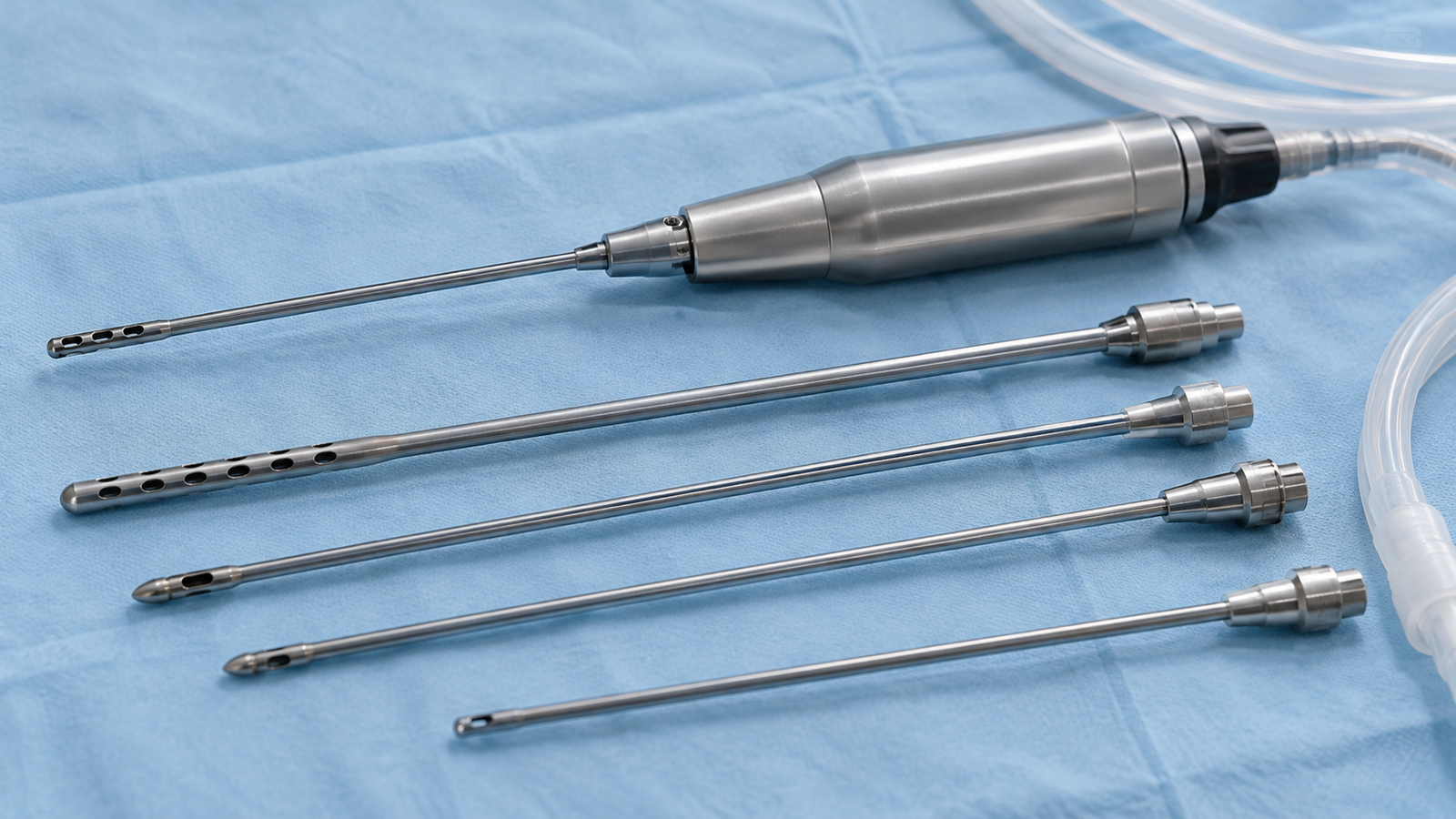
Liposuction can help reduce excess fatty tissue and improve the overall chest contour. It may be particularly useful when the asymmetry is partly caused by uneven fat distribution.
2. Glandular Tissue Removal
Firm glandular tissue beneath the nipple may require direct surgical removal. This can be especially relevant when one side has a larger or more prominent gland.
3. Combination Treatment
Some men have both excess fat and glandular tissue. In these situations, combining liposuction with glandular tissue removal may provide a more comprehensive correction.
4. Skin Adjustment
If significant skin excess is present, additional procedures may sometimes be considered. The appropriate approach depends on the amount of loose skin and the overall degree of enlargement.
Will Both Sides Need the Same Treatment?
Not always.
This is one of the important advantages of a customized approach to asymmetric gynecomastia. The surgeon can assess each side separately and determine how much tissue needs to be reduced.
For example, one side may require more gland removal, while the other may need only minor contouring.
The objective is to improve overall chest balance, rather than automatically performing the same procedure on both sides.
Can Surgery Make the Chest Perfectly Symmetrical?
Surgery can significantly improve asymmetry, but perfect symmetry cannot always be guaranteed.
Even people without gynecomastia naturally have small differences between the left and right sides of their body. Differences in the ribs, muscles, nipples, skin, and underlying anatomy can remain after surgery.
A realistic goal is therefore a more balanced and natural-looking chest, rather than perfectly identical sides.
What Is Recovery Like?
Recovery varies depending on the surgical technique and the amount of correction required.
Temporary swelling, bruising, tightness, and mild discomfort can occur after surgery. These changes usually improve gradually during the healing period.
Your surgeon may recommend:
- Wearing compression garments
- Limiting strenuous exercise temporarily
- Keeping surgical areas clean
- Following medication instructions
- Attending follow-up appointments
The chest may look uneven during the early healing period because swelling can affect one side more than the other. Final results should be judged only after adequate healing.
Can Asymmetric Gynecomastia Return?
Once excess glandular tissue has been appropriately removed, recurrence is generally uncommon. However, new breast enlargement can occur if underlying factors remain unresolved.
Hormonal changes, significant weight gain, certain medications, and some medical conditions can contribute to gynecomastia.
Identifying possible causes before surgery is therefore important.
Who May Benefit From Surgery?
Surgery may be considered for men who have:
- Persistent asymmetric gynecomastia
- Noticeable differences between the two sides
- Firm glandular tissue
- Excess chest fat
- Chest enlargement that has not improved with lifestyle changes
- Emotional or self-confidence concerns related to the chest
A consultation is necessary to determine whether surgery is appropriate.
Expert Evaluation at Gynecomastia India
At Elegance Clinic, Dr. Ashutosh Shah, a Board-Certified Plastic & Cosmetic Surgeon with over 22 years of experience, provides personalized assessment and treatment planning for gynecomastia concerns.
The treatment approach can be based on the amount of glandular tissue, fat distribution, skin quality, and the difference between the two sides.
Final Takeaway
Yes, asymmetric gynecomastia can often be corrected with surgery. The procedure can be customized so that each side receives the appropriate amount of treatment.
Liposuction, glandular tissue removal, or a combination of techniques may be considered depending on the cause of the asymmetry. However, the goal should be natural-looking improvement and better chest balance, not unrealistic perfect symmetry.