
Can Gym Workouts or Weight Loss Remove Gynecomastia?
Exercise and weight loss can reduce chest fat and strengthen the muscles underneath. They do not reliably remove established breast gland tissue. If your chest enlargement contains both fat and gland, losing weight may improve its appearance while nipple puffiness remains. An examination helps identify the tissue and suitable treatment options.
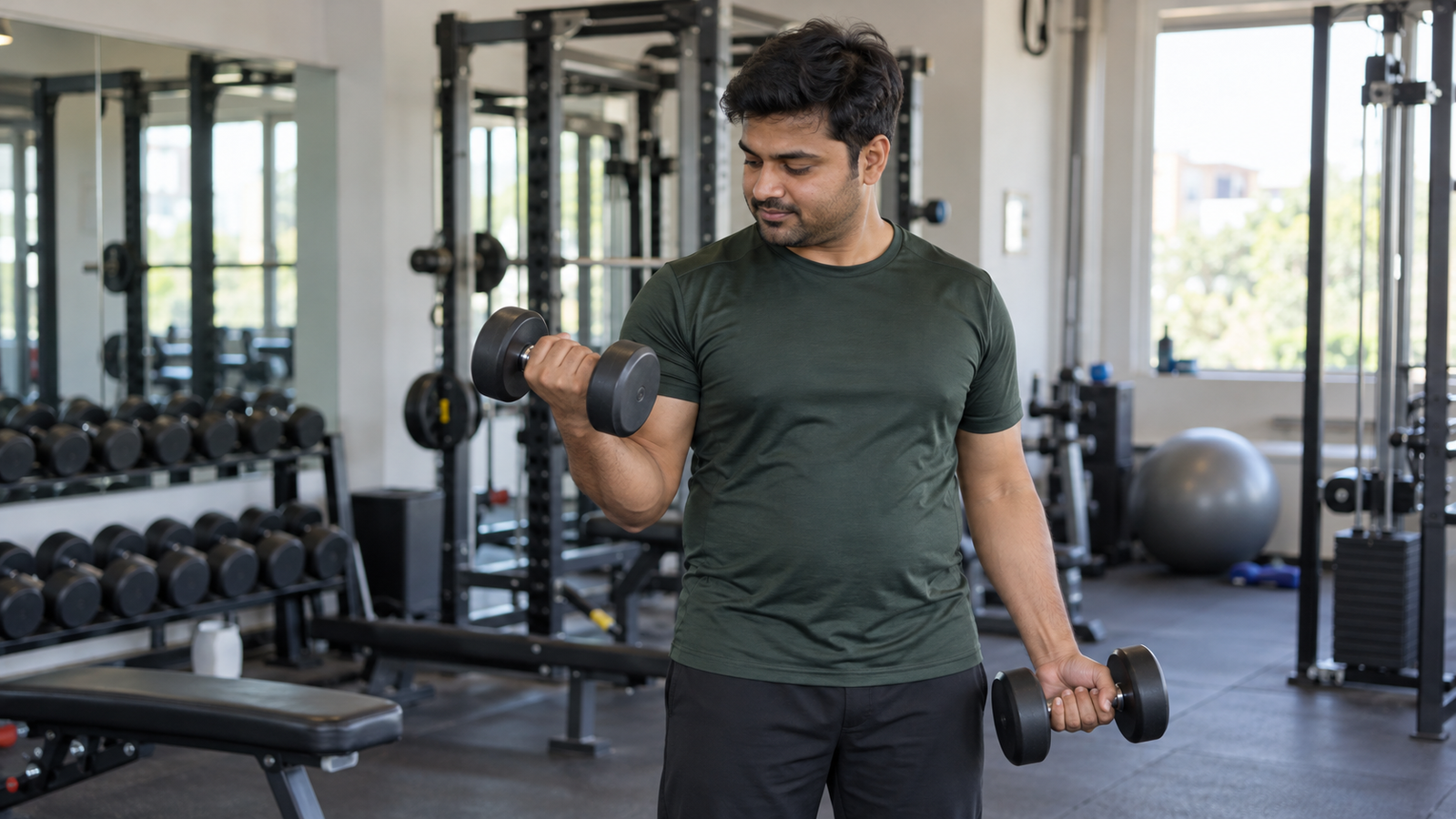
Many men spend months doing push-ups, bench presses, and cardio, hoping their chest will become flatter. Their waist may shrink, and their strength may improve, yet the area around the nipples stays prominent.
This does not necessarily mean the workout has failed. The remaining fullness may involve gland, fat, loose skin, or a combination.
Understanding the limits of gynecomastia exercise helps you set realistic goals and avoid unnecessary dieting or unproven supplements.
What is the difference between gynecomastia and chest fat?
Gynecomastia means enlargement of male breast gland tissue. Chest enlargement caused by excess fat without increased gland tissue is called pseudogynecomastia. Both can occur together.
Gland often feels firmer beneath the nipple, while fat tends to feel softer and more spread out. However, these clues cannot reliably confirm the diagnosis at home.
For a related explanation, read Can exercise and weight loss remove glandular gynecomastia?.
Gynecomastia exercise: common myths and facts
| Myth | Fact |
|---|---|
| More push-ups will remove the gland | Push-ups strengthen muscle; they do not reliably remove established gland tissue |
| Chest exercises burn only chest fat | Exercise supports overall fat loss rather than guaranteeing fat loss from one area |
| A lean person cannot have gynecomastia | Gland enlargement can occur even with low body fat |
| Weight loss has failed if the nipples remain puffy | Fat may have reduced while gland or loose skin remains |
| Everyone with gynecomastia needs surgery | Observation or treatment of an underlying cause may be appropriate |
| Supplements can dissolve the gland | Products making this promise should not replace medical assessment |
Can push-ups and bench presses flatten the chest?
Push-ups, bench presses, and other resistance exercises build the pectoral muscles. This may improve strength and chest definition.
However, the breast gland sits above the muscle. Training the muscle underneath does not selectively remove that tissue. Established gland may therefore remain despite a well-developed physique.
A balanced programme can still be worthwhile. Include appropriate resistance training, regular aerobic activity and recovery rather than training the chest intensely every day.
If exercise causes new pain or you notice a lump, seek an assessment instead of assuming that it is ordinary muscle soreness.
Can weight loss reduce gynecomastia naturally?
Weight loss may reduce the fatty component of an enlarged chest. NHS guidance includes weight loss as a possible recommendation when someone with chest enlargement is overweight.
However, the phrase “reduce gynecomastia naturally” can blur the distinction between fat reduction and gland regression.
If your enlargement is mainly fatty, sustainable weight loss may make a noticeable difference. If it contains glandular tissue, the improvement may be partial.
Avoid continuing to lose weight beyond a healthy, realistic goal solely to flatten the nipple area. Persistent fullness deserves assessment.
Why can chest fullness remain after weight loss?
Several factors can explain the appearance of chest fat after weight loss:
- Remaining fat: Your chest may still contain fatty tissue.
- Persistent gland: The fatty component has reduced, but the gland remains.
- Loose skin: The skin envelope may not fully retract.
- Mixed enlargement: More than one component affects the contour.
Significant weight loss can leave sagging skin, which may require a different discussion from fat removal alone.
A photograph cannot reliably distinguish these possibilities. An examination helps avoid treating every remaining bulge as either stubborn fat or gland.
How long should you try exercise before seeing a doctor?
There is no mandatory exercise trial before consultation. You do not need to wait six or twelve months to have unexplained swelling examined.
If your doctor confirms mainly fatty enlargement, you can discuss a sustainable weight-management plan and a suitable review interval.
Track progress through your overall weight trend, waist measurement, fitness and clothing fit. Day-to-day nipple appearance can vary and is not a reliable measure of progress.
Seek advice earlier if the enlargement is painful, changing or affecting your confidence.
Can diet, creams or supplements remove gland tissue?
A balanced diet supports weight management, but no particular food reliably dissolves established breast gland.
Creams, massage oils and supplements marketed as gland-removal treatments should not substitute for a diagnosis. Hormone-related products and anabolic steroids can themselves contribute to gynecomastia.
Tell your doctor about prescribed medicines, supplements and bodybuilding substances. Some cases improve when an identified cause is addressed, but changes to prescribed treatment need medical supervision.
Do not start tamoxifen, aromatase inhibitors or other hormone medicines on a gym trainer’s advice.
Does persistent gynecomastia always need surgery?
No. Treatment depends on the cause, duration, symptoms and your preferences.
Some patients need observation. Others need investigation or treatment of an underlying condition. Surgery may be considered when enlargement persists and causes discomfort or concern about appearance.
When surgery is appropriate, liposuction addresses excess fat. Firm gland may need excision, and substantial excess skin may require additional treatment. These techniques can be combined.
An operation should follow an assessment of the tissue rather than a decision based only on chest size or time spent in the gym.
What happens during a consultation?
The doctor asks when the enlargement started, whether it has changed, and whether there is pain or discharge. Weight history, medicines, supplements, and hormone use also matter.
Examination helps assess fat, glands, and skin. Blood tests or imaging may be recommended when the findings suggest a need.
At Elegance Clinic, Dr. Ashutosh Shah discusses assessment and treatment options for male chest enlargement. His published profile lists more than 22 years of surgical experience. A consultation can help clarify whether continued weight management, observation, investigation, or surgery is appropriate.
You can book a consultation and bring previous reports and a medication list.
Which symptoms should not wait for workout results?
Arrange prompt medical assessment for:
- A new, hard or rapidly growing lump.
- Nipple discharge or bleeding.
- Skin dimpling or nipple pulling inward.
- A lump in the armpit.
- Persistent or worsening pain.
These findings do not automatically mean a serious disease, but they should not be dismissed as chest fat.
Key takeaways
- Exercise improves muscle strength and supports fat reduction.
- Established gland may remain despite regular training.
- Persistent fullness after weight loss can involve fat, gland, or loose skin.
- You do not need to complete a long gym trial before seeking assessment.
- Treatment should match the diagnosis and your goals.