
.png)
Gynecomastia Causes: Why Does It Happen in Men?
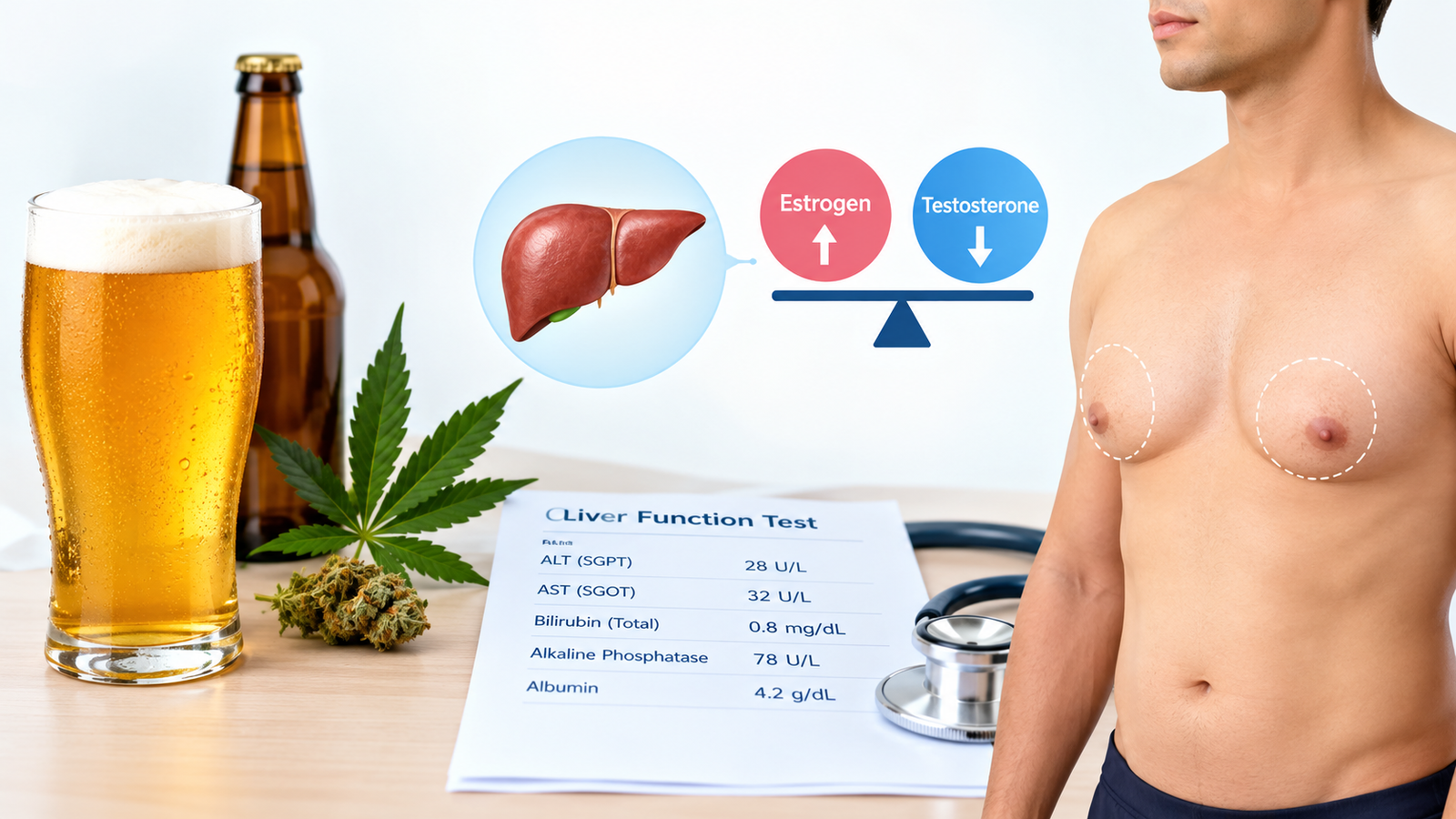
Gynecomastia causes enlarged breast tissue in men due to changes in the balance between estrogen and testosterone. It can develop during puberty, adulthood, or older age. Certain medications, hormonal disorders, and underlying health conditions can also contribute. Understanding the causes of gynecomastia helps men identify why their chest is enlarging and determine whether medical evaluation, observation, or treatment is necessary.
At Elegance Clinic in Surat, Dr. Ashutosh Shah provides gynecomastia evaluation and treatment. With more than 22 years of surgical experience, he assesses male chest enlargement to help determine whether it involves glandular tissue, excess fat, or both.
What Is Gynecomastia?
Gynecomastia is the enlargement of glandular breast tissue in males. It may affect one or both sides of the chest and can cause swelling, tenderness, or a firm area beneath the nipple.
The condition can occur at different stages of life. Although it is often harmless, persistent breast enlargement can affect confidence and body image.
It is important to distinguish gynecomastia from pseudogynecomastia. The latter refers to chest enlargement caused mainly by excess fat rather than glandular tissue. Some men have both conditions, so a clinical examination can help identify the underlying cause.
What Are the Main Causes of Gynecomastia?
Several factors can contribute to enlarged male breasts. The most common underlying mechanism is a change in the balance between estrogen and testosterone activity.
1. Hormonal Imbalance in Men
Testosterone plays an important role in male sexual development and reproductive health. Estrogen is also naturally present in men and contributes to normal bodily functions.
Gynecomastia can develop when estrogen's effects become relatively stronger than testosterone's effects on breast tissue. This may happen because testosterone levels decrease, estrogen levels increase, or the body's hormone balance changes.
However, gynecomastia does not automatically mean that a man has abnormally high estrogen or low testosterone. A medical assessment is necessary to determine whether a hormonal problem is present.
2. Gynecomastia During Puberty
Puberty is a common period for gynecomastia because hormone levels fluctuate as boys develop.
Some teenagers notice swelling or tenderness around one or both nipples. In many cases, this enlargement gradually resolves as hormone levels stabilise.
Observation may be sufficient when the condition is typical of pubertal gynecomastia. However, persistent, rapidly growing, or significantly painful enlargement should be evaluated by a healthcare professional.
3. Ageing and Low Testosterone
Testosterone levels may decline with age. Changes in hormone levels, body composition, medication use, and general health can contribute to breast tissue enlargement in older men.
Low testosterone can be associated with gynecomastia, but it is not the cause in every case. Doctors may recommend hormone testing when symptoms and examination findings suggest a hormonal problem.
4. Medications That Cause Gynecomastia
Certain medicines can affect hormone activity or breast tissue and contribute to gynecomastia.
Examples include spironolactone, some medicines used for prostate conditions, certain anti-androgen treatments, and selected other prescription drugs.
The risk varies depending on the medicine, dosage, duration of use, and individual health factors. Breast enlargement that begins after starting a medication should be discussed with the prescribing doctor.
Never stop or change a prescribed medicine without medical guidance.
For more information, read our detailed guide on medicines that cause gynecomastia.
5. Medical Conditions and Hormonal Disorders
Certain health conditions can interfere with hormone production or metabolism and contribute to gynecomastia.
These include:
-
Thyroid disorders: An overactive thyroid can affect hormone balance.
-
Liver disease: Some liver conditions interfere with hormone metabolism.
-
Kidney disease: Chronic kidney problems may affect reproductive hormone levels.
-
Low testosterone: Reduced testosterone production may contribute to glandular breast growth.
-
Testicular conditions: Certain testicular disorders can affect hormone production.
-
Other endocrine disorders: Conditions affecting hormone-producing glands may contribute to breast enlargement.
These conditions do not explain every case. When an underlying medical problem is suspected, the doctor may recommend appropriate investigations and treatment.
6. Alcohol, Anabolic Steroids, and Other Substances
Heavy alcohol consumption may contribute indirectly to gynecomastia, particularly when it affects liver health or hormone regulation.
Anabolic steroids can also disrupt natural testosterone production. Some are converted into estrogen, potentially contributing to breast tissue enlargement.
Certain recreational substances and supplements have also been associated with gynecomastia, although the evidence varies.
If you notice breast enlargement after using steroids, supplements, or other substances, discuss this with your doctor. Avoid taking hormone-related products without appropriate medical supervision.
7. Weight Gain and Excess Chest Fat
Weight gain can increase fat accumulation around the chest, making the breasts appear enlarged. This is known as pseudogynecomastia.
Unlike true gynecomastia, pseudogynecomastia primarily involves fatty tissue rather than enlarged breast glands. However, both conditions can occur together.
Weight management may reduce excess chest fat, but it may not eliminate established glandular tissue.
Read our guide on gynecomastia versus chest fat to understand the differences and why identifying the correct cause matters.
What Are the Symptoms of Gynecomastia?
Common signs of gynecomastia include:
-
Enlargement of one or both breasts.
-
A firm or rubbery area beneath the nipple.
-
Nipple or breast tenderness.
-
Swelling around the areola.
-
Uneven chest enlargement.
-
Persistent breast fullness despite weight loss.
These signs alone cannot confirm the diagnosis. A doctor can assess the tissue and determine whether the enlargement is glandular, fatty, or related to another condition.
Seek prompt medical attention if you notice a hard or fixed lump, nipple discharge, skin changes, or rapid enlargement, particularly on one side.
How Is the Cause of Gynecomastia Diagnosed?
Identifying the cause is an important step before deciding on treatment.
During an assessment, the doctor may review when the enlargement started, whether it is painful, which medicines or supplements you take, and whether you have other symptoms.
A physical examination helps distinguish glandular tissue from excess fat. Depending on the findings, investigations may include:
-
Hormone blood tests when indicated.
-
Thyroid function tests.
-
Liver and kidney function tests.
-
Testicular assessment when clinically appropriate.
-
Imaging or additional investigations if a lump or another abnormality requires further evaluation.
Not everyone needs every test. Investigations are selected according to the patient's age, symptoms, medical history, and examination findings.
How Is Gynecomastia Treated?
Treatment depends on the underlying cause, the duration of breast enlargement, and the amount of glandular tissue, fat, and loose skin present.
Observation
Gynecomastia during puberty often improves naturally. When the findings are typical and there are no concerning features, a doctor may recommend monitoring rather than immediate treatment.
Treating the Underlying Cause
If a medication or medical condition contributes to breast enlargement, the doctor may review the medicine or treat the underlying problem. Improvement depends on the cause and how long the tissue enlargement has been present.
Medical Treatment
In selected cases, medication may be considered under specialist supervision, particularly when symptoms are recent. Treatment is not suitable for every patient, and self-medication should be avoided.
Gynecomastia Surgery
When enlarged glandular tissue persists and causes discomfort or concerns about chest appearance, surgery may be an option.
Depending on the individual case, surgery can involve removing excess glandular tissue, reducing excess fat through liposuction, or combining techniques to improve the chest contour. The appropriate procedure depends on the clinical examination.
At Elegance Clinic, Dr. Ashutosh Shah evaluates the extent and type of enlargement before discussing suitable treatment options.
You can also read our guide to revision gynecomastia surgery if you have persistent contour concerns following an earlier operation.
Expert Gynecomastia Care at Elegance Clinic, Surat
Dr. Ashutosh Shah, M.B.B.S., M.S., M.Ch., D.N.B., is a plastic and reconstructive surgeon with more than 22 years of surgical experience. At Elegance Clinic in Surat, he evaluates men with different degrees of gynecomastia, from puffy nipples to more pronounced chest enlargement.
The assessment focuses on identifying the cause, understanding the patient's concerns, and selecting an appropriate treatment approach. Not every patient requires surgery, and medical evaluation may be necessary when the enlargement suggests an underlying health condition.
Conclusion
Gynecomastia can develop because of hormonal changes, puberty, ageing, medications, medical conditions, or excess chest fat. Understanding the cause helps determine whether observation, medical management, or surgery is appropriate.
If you have persistent breast enlargement, tenderness, or an unusual chest lump, consult a qualified healthcare professional rather than assuming the cause is hormonal or related to weight.
At Elegance Clinic, Surat, Dr. Ashutosh Shah brings more than 22 years of surgical experience to the evaluation and treatment of gynecomastia.