

What Is Gynecomastia? Meaning and Early Signs
Gynecomastia is an increase in breast gland tissue in boys or men. It can affect one or both sides and may cause nipple puffiness, tenderness, or a rubbery swelling beneath the nipple. It differs from chest enlargement caused only by fat. An examination helps confirm the diagnosis and identify the cause.
If your chest looks fuller or your nipples have become more prominent, you may wonder whether the change is fat, muscle, or gland. Appearance alone cannot reliably answer that question.
Understanding what is gynecomastia helps you recognise changes and seek appropriate advice without assuming that every enlarged chest needs surgery.
What does gynecomastia mean?
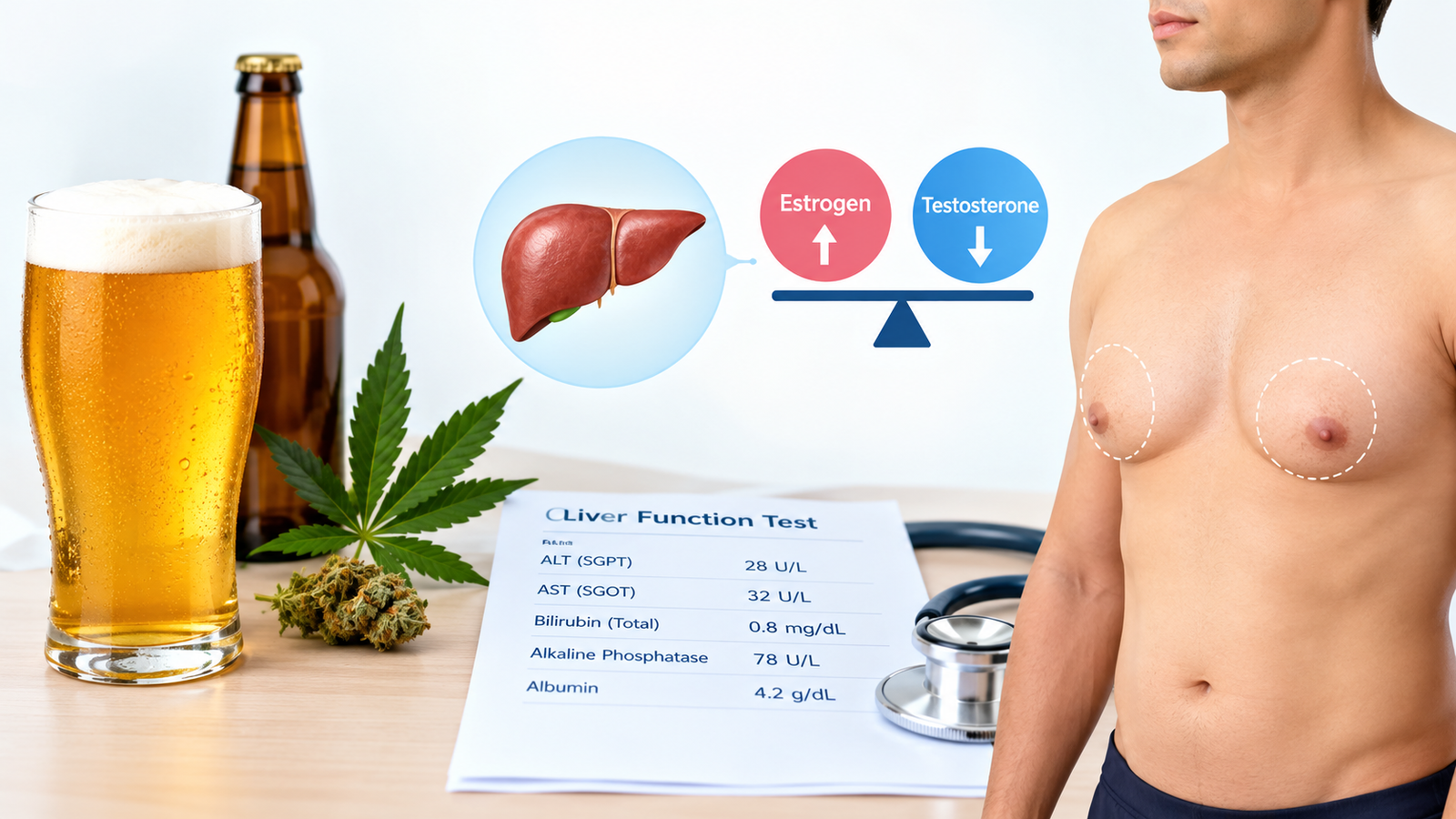
The gynecomastia meaning is enlargement of male breast gland tissue. Men normally have a small amount of breast tissue beneath the nipples. This tissue can grow when the balance between oestrogen and androgen activity changes.
Gynecomastia is generally benign, meaning noncancerous. However, a new breast lump still needs assessment because other conditions can cause similar symptoms.
The condition does not indicate a lack of fitness or masculinity. It can occur in teenagers, lean adults, bodybuilders, and older men.
What are the early signs of gynecomastia?
Possible early signs include:
- A fuller or puffier appearance around the nipple.
- A firm or rubbery area beneath the nipple.
- Tenderness or sensitivity.
- Enlargement on one side or both sides.
- Uneven chest size.
Some people have no pain. Others first notice sensitivity when clothing rubs against the chest. These signs suggest a reason for assessment, but they do not confirm the diagnosis by themselves.
Avoid repeatedly squeezing the area to check it. This can increase soreness without helping you establish the cause.
Is gynecomastia the same as chest fat?
No. Male breast enlargement can involve gland, fat, or a combination.
Enlargement caused by excess fat without increased gland tissue is called pseudogynecomastia. A doctor’s examination helps distinguish the components.
| Feature | Gynecomastia | Fat-related chest enlargement |
|---|---|---|
| Main tissue involved | Breast gland | Fat |
| Typical feel | A firmer area beneath the nipple | More diffuse, softer fullness |
| Tenderness | May occur | Less characteristic |
| Response to weight loss | Gland may remain | Fat volume may decrease |
| How it is confirmed | Clinical assessment | Clinical assessment |
These are general clues, not a home diagnostic test. Many enlarged chests contain both fat and gland.
What causes gynecomastia?
Several factors can contribute. The cause may be a normal hormonal change, a medicine, or an underlying health condition.
Hormonal changes during puberty
Temporary breast enlargement can occur during puberty. Many cases resolve naturally, so observation may be appropriate after assessment. Persistent enlargement or significant distress deserves follow-up.
Medicines and hormone-related substances
Some prescribed medicines and anabolic steroids can contribute to breast enlargement.
Tell your doctor about all medicines, bodybuilding products and supplements. Do not stop prescribed treatment yourself. A doctor can decide whether a medicine is relevant and whether an alternative is appropriate.
Ageing and medical conditions
Changes in hormone activity with ageing can contribute. Thyroid disorders, low testosterone, liver disease and kidney disease are other possible causes.
Having gynecomastia does not mean you have one of these conditions. Your symptoms and examination guide further investigation.
When should male breast enlargement be checked?
Arrange an appointment for new, unexplained, persistent or troublesome enlargement.
Seek prompt assessment if you notice:
- A hard, irregular or rapidly growing lump.
- Nipple discharge, especially blood-stained discharge.
- Nipple pulling inward or skin dimpling.
- A lump in the armpit.
- Persistent pain or other concerning changes.
Gynecomastia itself is not breast cancer, but symptoms should not automatically be attributed to it.
Emotional discomfort also matters. Avoiding swimming, changing rooms, or certain clothes is a valid reason to discuss the condition with a healthcare professional.
How do doctors diagnose gynecomastia?
The assessment usually begins with questions about when the change started, whether it is growing, associated symptoms, and medicines or supplements.
The doctor examines the chest to assess the gland, fat, skin, and any suspicious features. Depending on the findings, blood tests or imaging may be recommended.
Not everyone needs the same investigations. Tests should help identify the cause or distinguish gynecomastia from another condition.
Bring previous reports and a complete medication list. Mention steroid use honestly, as it can affect diagnosis and treatment planning.
Can exercise or weight loss remove gynecomastia?
Exercise can strengthen chest muscles, and weight loss can reduce body fat. However, these changes do not reliably remove established breast gland.
If your enlargement is mainly fatty, improving overall weight may reduce chest fullness. If gland remains, the nipple area may still project despite a leaner physique.
An examination helps avoid spending months treating glandular enlargement as a fitness problem.
Does everyone with gynecomastia need surgery?
No. Treatment depends on the cause, duration, symptoms, and your preferences.
Options may include observation, treatment of an underlying condition, a doctor-supervised medication change, or selected medical treatment. Surgery may be considered for persistent enlargement that causes discomfort or concern about appearance.
At Elegance Clinic, Dr. Ashutosh Shah’s published profile lists more than 22 years of surgical experience. A consultation can help clarify the tissue involved and whether observation, investigation, or surgical planning is appropriate.
The purpose of assessment is to establish a diagnosis and explain suitable choices.
Key takeaways
- Gynecomastia means increased male breast gland tissue.
- Nipple puffiness, tenderness, and subareolar swelling are possible signs.
- Chest fat and gland enlargement can occur together.
- New or concerning changes need an examination.
- Surgery is one option; many patients first need observation or investigation.