

Teenage Chest Swelling: Wait for Puberty to Settle or Operate? A Decision Guide for Parents
Breast swelling in teenage boys is common during puberty and often improves naturally over about two years, sometimes longer. After assessment, observation is usually appropriate. Surgery may be considered for persistent enlargement, stable development, and significant discomfort or distress. Two years is a review point, not a compulsory wait or an automatic surgery deadline.
For parents researching teen chest fat treatment, the first step is understanding whether the fullness comes from breast gland, fat, or a combination. These can look similar but may need different approaches.
Why Do So Many Boys Get Chest Swelling During Puberty?
Pubertal gynecomastia is the growth of breast gland tissue during adolescent hormonal changes. It may appear as a small swelling beneath the nipple, a puffy areola, or a fuller chest. Tenderness can occur, and one side may develop before the other.
Both testosterone and oestrogen are normally present in boys. During puberty, changing hormone activity can temporarily stimulate breast tissue. This does not automatically mean that a boy has low testosterone or an endocrine disorder. The Endocrine Society describes pubertal gynecomastia as benign enlargement that usually resolves naturally.
Extra fat can also contribute to chest fullness. A clinician’s examination helps distinguish gland from fat and assess whether development follows a typical pubertal pattern.
Avoid blaming the teenager’s diet, fitness, or habits before an assessment. Slim boys can develop gynecomastia too.
How Long Should Parents Wait Before Considering Treatment?
Many cases improve within approximately two years. Some settle more slowly: the American Academy of Pediatrics notes that pubertal breast tissue can decrease over two to three years.
Observation should begin after assessment, rather than assuming that every new lump is normal puberty.
A useful follow-up plan records:
- When the swelling started.
- Whether it is growing, stable or reducing.
- Whether pain is improving.
- How puberty is progressing.
- How the condition affects school, sport and confidence.
The clinician should explain when to return and which changes need an earlier appointment. Contemporary guidance supports individualising observation according to severity and psychological burden.
If swelling persists beyond roughly two years, arrange a review. Persistence does not automatically mean surgery is necessary, but it is a reason to reconsider the diagnosis and options.
Parent Decision Table: Wait, Investigate or Discuss Surgery?
| Duration of swelling | Stage of puberty | Weight status | Distress level | Recommended next step |
|---|---|---|---|---|
| Recent onset | Puberty progressing typically | Any | Mild or manageable | Examination, reassurance and planned observation |
| Several months and reducing | Development continuing | Stable | Manageable | Continue agreed follow-up |
| Persistent for around two years or longer | Nearing completion or stable | Stable | Ongoing concern | Reassess and discuss treatment options |
| Any duration | Any stage | Excess fat contributes | Variable | Age-appropriate nutrition and activity support alongside assessment |
| Any duration | Any stage | Any | Significant pain, bullying or withdrawal | Earlier clinical review and emotional support |
| Any duration with rapid growth, discharge or an unusual lump | Any stage | Any | Any | Prompt medical assessment |
| Persistent enlargement | Development stable | Stable | Teenager wants treatment and understands the trade-offs | Individual surgical assessment |
This table helps organise a consultation. It cannot determine eligibility without examining the teenager.
Which Symptoms Need Assessment Without Waiting?
Do not wait for a two-year milestone if your son has:
- Rapid or marked enlargement.
- A hard, irregular or fixed lump.
- Nipple discharge or bleeding.
- Skin dimpling or a new nipple change.
- Persistent or substantial pain.
- A testicular lump or swelling.
- Breast enlargement before other signs of puberty.
- Concerns about delayed or unusual pubertal development.
These findings do not necessarily indicate a serious condition, but they need assessment. NHS guidance recommends review for breast lumps, persistent pain, discharge and skin changes.
A paediatrician may involve a paediatric endocrinologist when the examination suggests a hormonal cause or an atypical pattern.
Which Tests Are Needed and Which Are Not?
The consultation usually matters more than ordering a large test package.
The clinician asks about onset, progression, tenderness, general health, medicines and supplements. Examination may include height, weight, chest tissue, and pubertal development. Any intimate examination should be explained beforehand, with appropriate consent and a chaperone.
When tests may not be necessary
In a teenager with typical pubertal gynecomastia and no concerning findings, routine blood tests or imaging may add little. The Pediatric Endocrine Society explains that hormone results are often normal for the boy’s pubertal stage and may not be helpful.
When further investigation may help
Rapid growth, an unusual lump, abnormal development or signs of another illness can justify targeted investigation.
Depending on the findings, a clinician may request hormone tests, thyroid tests or other investigations. Breast ultrasound is generally reserved for uncertainty about the diagnosis or an atypical finding; it is not automatically required for every puffy nipple.
The Hormone tests for gynecomastia guide explains why testing should answer a clinical question.
Tests used to investigate the cause are also different from fitness checks requested before an operation.
Will Gym Workouts or Losing Weight Fix His Chest?
Exercise supports fitness and strengthens chest muscles. If excess fat contributes to fullness, gradual weight management may improve the chest’s appearance.
However, exercise does not reliably remove established glandular breast tissue. Teen chest fat treatment should therefore begin with identifying the tissue involved, rather than prescribing more push-ups.
Avoid crash diets, excessive training, or repeated comments about weight. For a growing teenager, nutrition and activity advice should support development and general health.
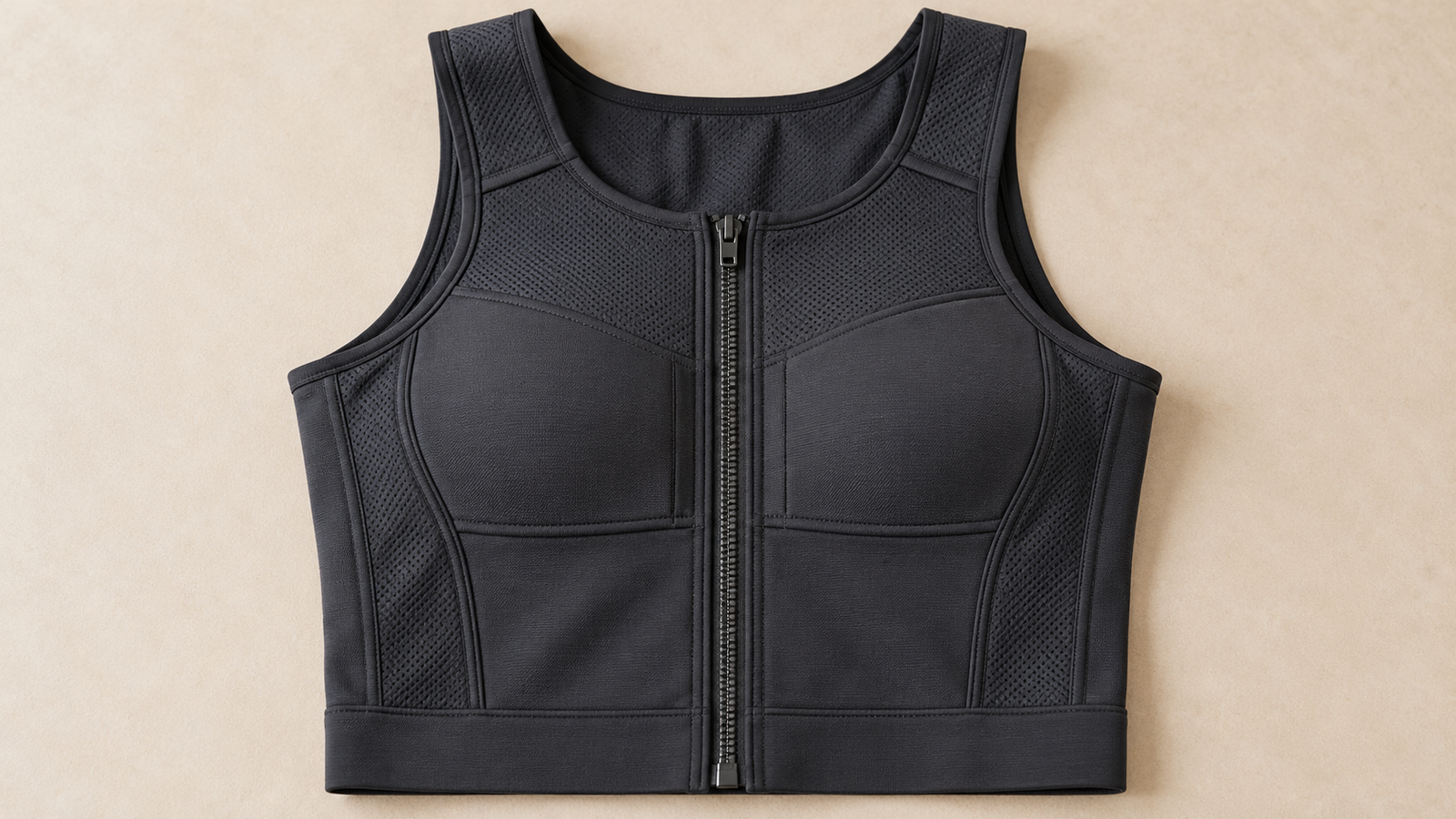
A comfortable support top may help some boys feel more confident temporarily. It should not cause pain, skin irritation or breathing restriction.
For further explanation, see Teenage chest enlargement.
Should Parents Worry About Medicines or Gym Supplements?
Bring a complete list of prescription medicines, supplements, powders and topical products to the appointment. Photographs of packaging can be useful.
Anabolic steroids, prohormones and some other substances can affect hormones. However, do not assume that every protein supplement caused the swelling or that your son has used steroids.
Ask calmly and allow the clinician to speak privately with him where appropriate. Honest disclosure helps the assessment.
Do not stop prescribed medication without the prescriber’s advice. Review possible contributors through the Medicines that cause gynecomastia guide.
Medicines for gynecomastia require specialist judgement. Hormone tablets or “gyno cures” from trainers and online sellers are unsuitable substitutes for medical care.
When Is Surgery Reasonable for a Teenager?
There is no single adolescent gynecomastia surgery age that suits everyone.
A surgical discussion may be reasonable when:
- Enlargement remains persistent.
- Breast development has stabilised.
- Weight is reasonably stable.
- An underlying cause has been assessed and addressed.
- Pain or emotional distress meaningfully affects daily life.
- The teenager wants treatment and understands its limitations.
ASPS states that adolescents may benefit from surgery, while noting that further procedures may be necessary if breast development continues.
The discussion should include scars, possible sensation changes, asymmetry, recovery restrictions, and the possibility of revision. Surgery cannot guarantee perfect symmetry or resolve every body-image concern.
The teenager’s own wishes matter. A parent’s preference should not replace his involvement in the decision. The team should explain the consent process and the parent or guardian’s role.
Read more about Adolescent gynecomastia.
How Can Parents Support a Boy Who Is Being Teased?
Start by listening. Avoid dismissing the concern as vanity or saying that he should ignore comments.
Ask whether he is avoiding swimming, changing rooms, sports, or school. Let him choose what he feels comfortable discussing and who receives information about his condition.
Practical support can include:
- Speaking with the school about bullying, with his involvement.
- Arranging a private changing option where available.
- Helping him choose comfortable clothing.
- Avoiding jokes or repeated chest checks at home.
- Offering counselling when distress affects daily life.
Support should begin during observation. He should not have to wait until a surgical decision to receive help.
What Should You Ask a teen gynecomastia doctor near ghod dod road surat?
Ask whether the examination fits typical pubertal gynecomastia, what observation involves, and why any proposed tests are needed.
Dr. Ashutosh Shah, MBBS, MS, MCh and DNB, a plastic and reconstructive surgeon, can discuss the surgical aspects of persistent enlargement. If development or examination findings suggest an endocrine cause, ask about referral to a paediatric endocrinologist before proceeding.
At Elegance Clinic, request a written plan covering the next review, symptoms that need earlier attention, and the options appropriate to your son’s stage of development.