
Mild Sagging Chest Treatment: Do You Need Surgery?
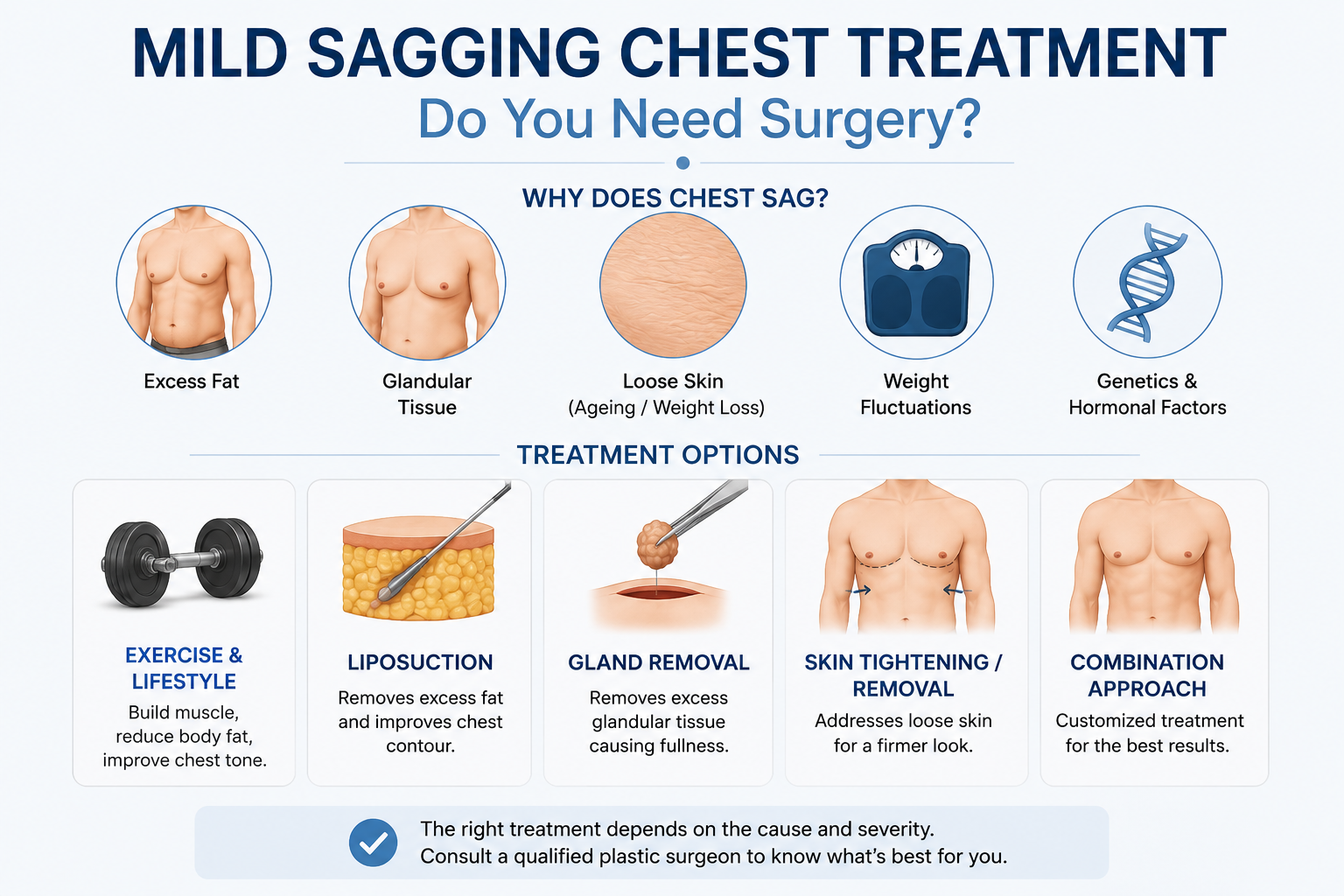
A mildly sagging male chest does not always mean you need surgery. The right mild sagging chest treatment depends on what is causing the change in chest shape. Excess fat, glandular tissue, loose skin, ageing, or significant weight changes can all affect chest contour.
For some men, exercise and weight management may improve the appearance. However, when glandular tissue or persistent loose skin causes the problem, medical or surgical treatment may provide a more noticeable correction.
What Causes a Mildly Sagging Male Chest?
A male chest can lose its firm appearance for several reasons. Weight gain can increase fat around the chest, while significant weight loss may leave stretched skin behind. Ageing can also gradually reduce skin elasticity.
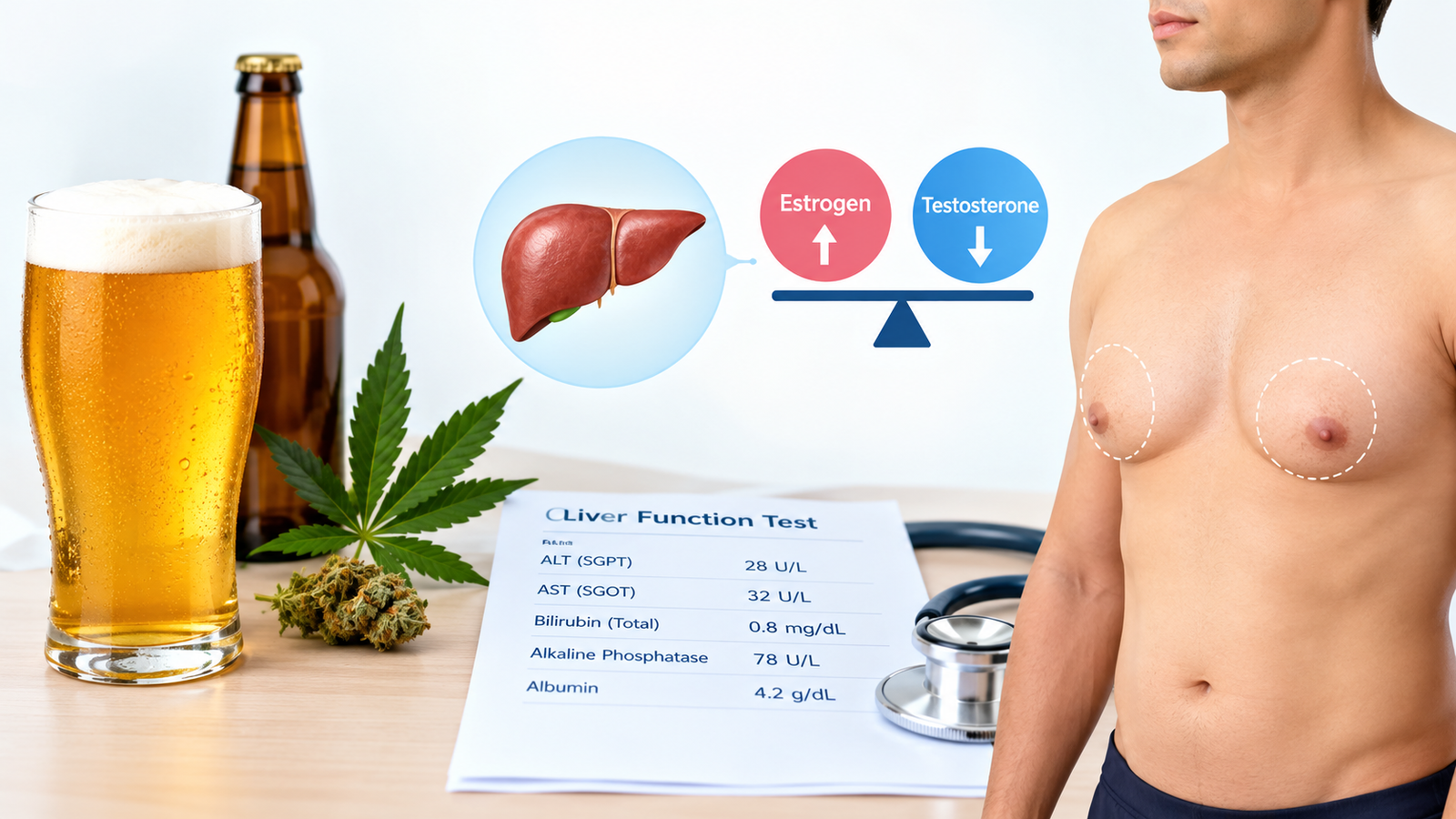
Another common reason is gynecomastia, where glandular breast tissue contributes to chest fullness. Some men have a combination of fat, gland, and mild skin looseness.
Because these conditions can look similar, identifying the underlying cause is an important first step before choosing treatment.
What Is Type 3 Gynecomastia?
Type 3 Gynecomastia - Slight Breast Roll may involve noticeable chest fullness with a mild breast roll and some degree of skin looseness. The nipple and surrounding chest contour may appear lower or less defined than desired.
The exact appearance varies between individuals. A plastic surgeon therefore needs to assess the amount of fat, glandular tissue, skin elasticity, nipple position, and overall chest proportions before recommending treatment.
Can Exercise Correct Mild Chest Sagging?
Exercise can strengthen the pectoral muscles and improve overall upper-body definition. Push-ups, chest presses, and other resistance exercises may help when poor muscle definition or excess body fat contributes to the appearance.
However, exercise cannot directly remove dense glandular breast tissue or significant excess skin.
If the chest remains enlarged or sagging despite maintaining a stable weight and exercising regularly, the underlying issue may require medical evaluation.
What Are the Mild Sagging Chest Treatment Options?
Treatment should address the tissue responsible for the problem rather than simply trying to make the chest smaller.
When excess fat is the primary concern and skin elasticity remains good, liposuction may help improve chest contour.
When glandular tissue causes persistent fullness, the surgeon may consider gland excision. Some patients have both excess fat and glandular tissue, in which case liposuction and gland removal may be combined.
If loose skin contributes significantly to the breast roll, the surgeon will also evaluate whether skin removal is necessary. Removing skin can create additional scars, so the potential benefits and trade-offs should be discussed carefully.
Does Type 3 Gynecomastia Always Need Surgery?
Not necessarily. Treatment for Type 3 Gynecomastia - Slight Breast Roll depends on the severity of the condition, its underlying cause, skin quality, and how much the chest appearance bothers the individual.
When excess fat contributes significantly, weight management may improve the contour. However, persistent glandular tissue and loose skin generally cannot be eliminated through exercise alone.
Surgery may therefore be considered when the condition remains despite lifestyle measures or when the patient wants a more defined chest contour.
What Happens During Consultation?
A plastic surgeon examines the chest to determine whether the fullness comes from fat, glandular tissue, loose skin, or a combination.
The assessment may include skin elasticity, nipple position, chest symmetry, the amount of breast tissue, and previous weight changes. Medical history, medications, supplements, and other possible causes of gynecomastia may also need consideration.
This evaluation helps determine whether treatment is necessary and which approach may be appropriate.
What Can You Expect After Surgery?
Recovery varies according to the procedure performed. Temporary swelling, bruising, tenderness, and tightness can occur during early healing.
A compression garment may be recommended to support the chest after surgery. Patients usually return gradually to normal activities, while gym workouts, heavy lifting, and strenuous upper-body exercise should wait until the surgeon confirms adequate healing.
Results also develop gradually as swelling decreases and the tissues settle.
Consult Dr. Ashutosh Shah at Elegance Clinic
Men considering mild sagging chest treatment can consult Dr. Ashutosh Shah, a Board-Certified Plastic, Cosmetic & Reconstructive Surgeon and Director of Elegance Clinic, Surat.
With more than 22 years of surgical experience and qualifications including MBBS, MS, M.Ch., and DNB, Dr. Ashutosh Shah can assess the cause and degree of chest sagging and discuss suitable treatment options based on individual anatomy and expectations.
Final Takeaway
The best mild sagging chest treatment depends on whether fat, glandular tissue, loose skin, or a combination causes the appearance. Surgery is not necessary for everyone.
A clinical assessment can determine the underlying problem and help you understand whether lifestyle changes, liposuction, gland removal, skin correction, or a combination approach is appropriate.