

Vaser Liposuction for Gynecomastia for Patients from Rajkot: Planning Your Visit to Surat
dVaser liposuction for gynecomastia treats excess fatty tissue in the male chest through a planned procedure, recovery period and follow-up care. Patients from Rajkot usually begin with a consultation, complete the recommended medical tests and then plan treatment on a suitable date in Surat.
Travelling for surgery requires some preparation. You need to understand the treatment options, expected recovery, hospital arrangements and follow-up requirements before booking your visit.
At Gynecomastia India, Dr. Ashutosh Shah evaluates each patient's chest condition and medical history before recommending surgery. With more than 22 years of surgical experience, he considers excess fat, firm glandular tissue, skin quality and chest proportions while planning treatment.
This guide explains the consultation process, surgical steps, recovery expectations, cost factors and practical arrangements for your visit.
What Is Vaser Liposuction for Gynecomastia and Who Is It For?
Patients with advanced gynecomastia may need more than fat removal. If you have significant glandular tissue, loose skin, or a noticeable breast roll, read our detailed guide: Is Liposuction Enough to Treat Type 4 Gynecomastia?. It explains when liposuction alone may work and when gland removal or skin correction may also be necessary.
Vaser liposuction may be suitable for men who have:
-
Excess fatty tissue around the chest.
-
Mild to moderate chest fullness caused mainly by fat.
-
Persistent chest fat despite maintaining a stable weight.
-
Suitable skin elasticity that allows the skin to adjust after fat removal.
However, liposuction alone may not correct every type of gynecomastia. Firm glandular tissue beneath the nipple may require surgical removal. Similarly, significant loose skin may need additional correction.
The surgeon decides whether Vaser liposuction alone, gland excision or a combination of techniques is appropriate after examining the chest.
You can also read our guide to Vaser vs Traditional Liposuction for Gynecomastia to understand how these techniques differ.
How the Procedure Is Done, Step by Step
Understanding the surgical process helps you prepare for your consultation and treatment. The exact technique depends on your chest condition and the surgeon's assessment.
1. Consultation and Chest Assessment
The first step is a detailed consultation with the surgeon. During this appointment, you can explain your concerns, expectations and previous treatment history.
The surgeon assesses:
-
The amount and distribution of chest fat.
-
Whether firm glandular tissue is present.
-
Skin elasticity and excess skin.
-
Chest symmetry and overall proportions.
-
Medical conditions, previous operations and current medicines.
This examination helps determine whether Vaser liposuction alone can achieve the intended contour or whether gland removal is also necessary.
2. Preoperative Tests and Preparation
Before surgery, the medical team reviews your health and recommends investigations according to your medical history and planned procedure.
Depending on your individual requirements, these may include blood tests and other medical assessments.
Before the operation, you should:
-
Share details of all medicines and supplements you take.
-
Inform the surgeon about allergies and previous anaesthesia problems.
-
Follow instructions about medicines that may affect bleeding.
-
Avoid smoking for the period advised by the surgeon.
-
Follow fasting instructions if required.
-
Arrange transport and assistance after surgery.
Do not stop any prescribed medicine without medical advice.
3. Anaesthesia and Surgical Planning
The anaesthesia method depends on your health, the extent of treatment and the surgeon's recommendation. The anaesthesia team explains the suitable option before surgery.
The surgeon marks the treatment areas to plan fat removal and maintain a balanced chest contour. The medical team then prepares the surgical area using appropriate sterile precautions.
4. Vaser-Assisted Fat Removal
The surgeon makes small incisions at suitable locations and introduces the Vaser probe into the treatment area.
Ultrasound energy helps loosen the targeted fat. The surgeon then removes the prepared fat using a suction cannula and shapes the chest carefully.
If firm glandular tissue is present, the surgeon may remove it through an additional incision when clinically necessary. This combined approach can help address both fatty and glandular enlargement.
For more information about treatment options, read our article on Liposuction for Gynecomastia.
5. Compression Garment and Discharge Instructions
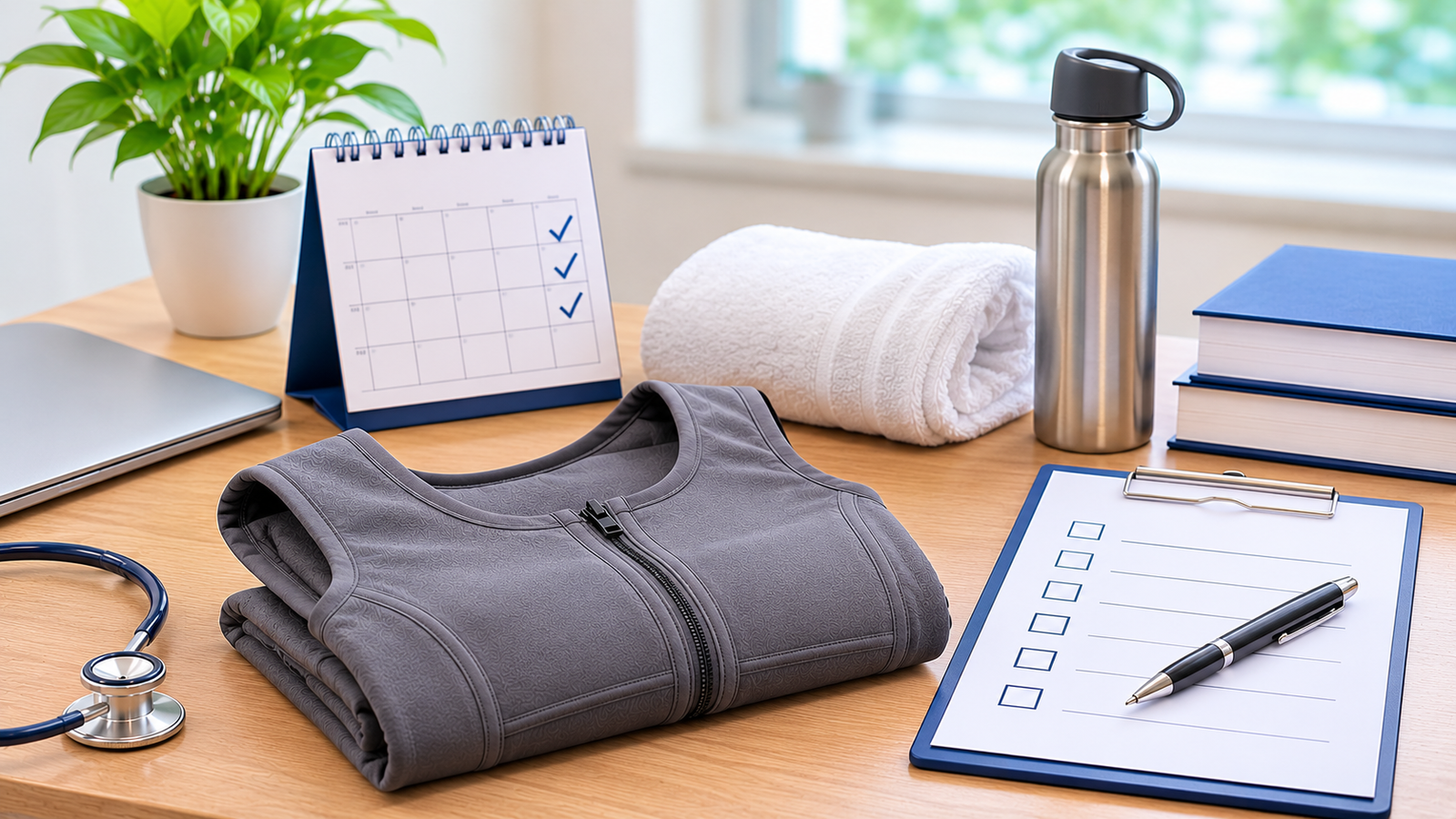
After surgery, the medical team applies dressings and explains how to use the recommended compression garment.
The garment supports the treated area and helps manage postoperative swelling. The surgeon will explain how long to wear it and how to care for the incision sites.
Before discharge, make sure you understand your medication schedule, wound care, activity restrictions and emergency contact arrangements.
Recovery: What the First Weeks Look Like
Recovery depends on the amount of fat removed, whether gland excision is required, the surgical technique and your general health.
First 24 to 48 Hours
You may experience mild discomfort, swelling, bruising or temporary fluid leakage from small incision sites.
During this period:
-
Rest and avoid strenuous activity.
-
Take prescribed medicines as directed.
-
Wear the compression garment according to instructions.
-
Follow the recommended wound care routine.
-
Attend the scheduled early postoperative assessment.
Seek prompt medical attention if you experience severe or increasing pain, fever, spreading redness, breathing difficulty or sudden chest swelling.
First Week
Swelling and bruising may remain noticeable. Some patients can resume light daily activities, depending on their healing and the surgeon's advice.
Avoid heavy lifting, vigorous exercise and activities that strain the chest.
Weeks Two to Four
Many patients gradually return to routine activities during this period. However, your return to work depends on the type of work you do and the extent of surgery.
Do not restart strenuous exercise or chest workouts until the surgeon confirms that it is safe.
Following Months
The chest gradually settles as swelling reduces and the tissues adjust. Initial improvements may become visible within a few weeks, but the final contour can take several months to develop.
Continue attending follow-up appointments and follow the recommended compression garment instructions.
Which Factors Change the Cost?
The cost of Vaser liposuction for gynecomastia varies according to the treatment plan. A single fixed price cannot accurately represent every patient's requirements.
The main cost factors include:
-
Amount of fat: The volume and distribution of excess chest fat influence the complexity of treatment.
-
Gland removal: Additional gland excision may be necessary when firm tissue is present.
-
Skin removal: Significant loose skin may require additional correction.
-
Anaesthesia: The anaesthesia method and medical team requirements affect the overall expense.
-
Hospital facilities: Operating room facilities, nursing care and postoperative monitoring contribute to the cost.
-
Compression garment and medicines: Ask whether these are included in the treatment estimate.
-
Follow-up care: The number and type of postoperative assessments may also affect the total expense.
During consultation, request a clear estimate that explains what the package includes and whether additional expenses may arise. The surgeon can provide a more appropriate estimate after examining your chest and confirming the treatment plan.
How Patients from Rajkot Plan the Visit
Planning your visit in advance helps you organise consultation, surgery and recovery without unnecessary travel difficulties.
Before the First Consultation
Contact the clinic and explain your concerns. Share relevant medical reports, previous treatment details and information about medicines you currently take.
Ask whether an initial online consultation is possible. This discussion can help you understand the next steps and prepare the information needed for an in-person examination.
An online consultation does not replace a physical assessment when the surgeon requires one.
Before Travelling for Surgery
Once the surgeon confirms your treatment plan, discuss the proposed surgery date and preoperative requirements.
Confirm these details with the clinic:
-
Which medical investigations do you need?
-
What is the expected procedure duration?
-
Which anaesthesia method is planned?
-
Will you need an overnight hospital stay?
-
How long should you remain available for recovery?
-
When can you safely travel back?
-
When is your first postoperative review?
-
What medicines and compression garments should you arrange?
Avoid booking your return journey until the surgeon confirms that travelling is appropriate.
After Surgery
Arrange suitable accommodation and assistance during the early recovery period if you are not staying in the hospital.
Before leaving the clinic, confirm your wound care instructions, medication schedule and emergency contact details. Also, discuss the follow-up schedule so you can plan any necessary return visits.
Some follow-up discussions may take place remotely when clinically appropriate. However, the surgeon may still require an in-person examination to assess healing.
Questions to Ask Before You Decide
Before choosing treatment, discuss its benefits, limitations and recovery requirements with your surgeon.
Is Vaser liposuction enough for my gynecomastia?
It depends on the tissue causing chest enlargement. Vaser liposuction addresses excess fat, while firm glandular tissue may require surgical removal. The surgeon determines the appropriate approach after examining your chest.
Will I need gland removal along with liposuction?
Not every patient needs gland removal. However, patients with significant glandular enlargement may benefit from combining liposuction with gland excision. Your surgeon will explain whether this additional step is necessary.
What are the possible risks?
Potential risks include swelling, bruising, bleeding, infection, fluid accumulation, contour irregularities, asymmetry, changes in nipple sensation and anaesthesia-related complications. Discuss your individual risk factors and the measures used to reduce complications. The American Society of Plastic Surgeons' gynecomastia surgery safety guidance also outlines potential complications.
Can I travel after treatment?
Travel depends on the procedure, recovery progress and individual health. Obtain clearance from your surgeon before undertaking a long journey. Ask about movement, hydration and precautions that may help reduce the risk of blood clots during travel.
When will I see the final result?
Some improvement may become noticeable within a few weeks. However, swelling can take several months to settle, and the final chest contour develops gradually.
Plan Your Consultation with Dr. Ashutosh Shah
Vaser liposuction can help suitable patients achieve a flatter and more balanced chest contour. However, successful treatment starts with the correct diagnosis, careful surgical planning and realistic expectations.
Dr. Ashutosh Shah evaluates the amount of fat, glandular tissue and skin quality before recommending an appropriate approach. Patients can discuss the procedure, understand the recovery requirements and plan their follow-up visits before travelling.
If you are considering treatment, contact Gynecomastia India to arrange a consultation and understand the next steps.
Doctor review note: The clinic must confirm the procedure duration, anaesthesia, hospital stay, expected return-to-work timeline and follow-up schedule before publication. These details depend on the actual surgical protocol and should not be presented as universal guarantees.