
Why Men Get Chest Fat and How Can It Be Treated?
Many men often wonder why they get chest fat and why their chest starts looking enlarged, soft, or similar to female breasts. In many cases, excess chest fat develops because of weight gain, hormonal imbalance, poor lifestyle habits, or excess gland tissue formation. Dr Ashutosh Shah performs advanced male chest correction procedures to help men achieve a flatter, firmer, and more masculine chest appearance with proper diagnosis and treatment.
Although chest fat may seem like a simple weight issue, the actual cause can vary from person to person. Therefore, identifying the exact reason becomes important before choosing treatment.
What Is Chest Fat in Men?
Chest fat in men refers to excess fatty tissue that accumulates around the chest area, making the chest look enlarged. Sometimes this condition appears because of overall body fat gain. However, in certain cases, glandular tissue also develops beneath the nipple area.
As a result, many men feel uncomfortable wearing fitted clothes, going shirtless, or participating in activities like swimming or gym workouts.
The condition commonly falls into two categories:
Excess Fat Deposition
Fat accumulates due to obesity or overall weight gain.
Enlarged Breast Gland Tissue
Breast gland tissue enlarges and creates a condition commonly called male boobs.
Because both conditions can look similar, proper evaluation remains necessary.
Causes of Chest Fat in Men
Understanding why men get chest fat requires identifying the underlying cause. Several factors contribute to the condition.
1. Weight Gain and Obesity
The most common reason for chest fat is excess body weight. When body fat percentage increases, fat starts accumulating in different body areas, including the chest.
As weight increases gradually, chest fullness becomes more noticeable.
2. Hormonal Imbalance
Hormones play an important role in the male body structure. When testosterone levels decrease and estrogen levels become relatively higher, chest enlargement may develop.
This imbalance may happen because of:
- Aging
- Obesity
- Poor metabolism
- Endocrine disorders
Therefore, hormonal evaluation sometimes becomes necessary.
3. Lack of Physical Activity
A sedentary lifestyle often leads to fat accumulation. Men who spend long hours sitting and avoid exercise may notice chest fat development over time.
Additionally, reduced muscle mass makes the chest appear less firm.
4. Poor Diet Habits
Regular consumption of processed food, sugary beverages, junk food, and excessive calories can lead to overall weight gain.
Consequently, fat begins to be stored in areas like:
- Abdomen
- Chest
- Waistline
- Thighs
5. Genetics
Genetic factors sometimes influence fat distribution patterns. Some men naturally store more fat around the chest area compared to others.
As a result, even moderate weight gain may create noticeable chest enlargement.
6. Medication Side Effects
Certain medications may influence hormone levels and fat distribution.
Examples include:
- Steroid medications
- Anti-anxiety medications
- Some antidepressants
- Hormonal medications
Because medication can affect hormones, chest changes may develop gradually.
7. Gynecomastia Development
Sometimes, an enlarged chest appearance does not occur because of fat alone.
Instead, breast gland tissue develops beneath the nipple area. This condition is commonly known as male boobs or gynecomastia.
Unlike regular fat, gland tissue usually does not disappear completely with exercise.
Symptoms of Chest Fat in Men
Men experiencing chest enlargement often notice several symptoms.
Common signs include:
- Enlarged chest appearance
- Puffy nipples
- Sagging chest skin
- Soft fatty tissue around the chest
- Reduced chest definition
- Uneven chest contour
- Difficulty wearing fitted clothing
- Lower confidence in public appearance
Although symptoms may appear mild initially, they often become more visible over time.
Diagnosis of Enlarged Male Chest
Proper diagnosis helps determine why men get chest fat and whether gland tissue exists.
Doctors usually evaluate the condition through:
Physical Examination
The chest is examined to identify fat distribution and gland tissue presence.
Medical History Review
Lifestyle habits, medications, weight changes, and family history are reviewed.
Hormonal Evaluation
Hormone testing may be advised if an imbalance is suspected.
Body Fat Assessment
Overall, fat percentage helps understand whether obesity contributes to the problem.
Therefore, treatment planning becomes more accurate after diagnosis.
Treatment Options for Chest Fat and Male Boobs Reduction
Treatment depends entirely on the underlying cause.
Lifestyle Modification
If obesity causes chest fat, doctors may recommend:
- Weight loss program
- Cardio exercises
- Strength training
- Dietary improvement
However, lifestyle changes may not help gland tissue.
Hormonal Correction
If a hormone imbalance exists, correcting hormonal levels may improve symptoms.
This treatment helps only in selected cases.
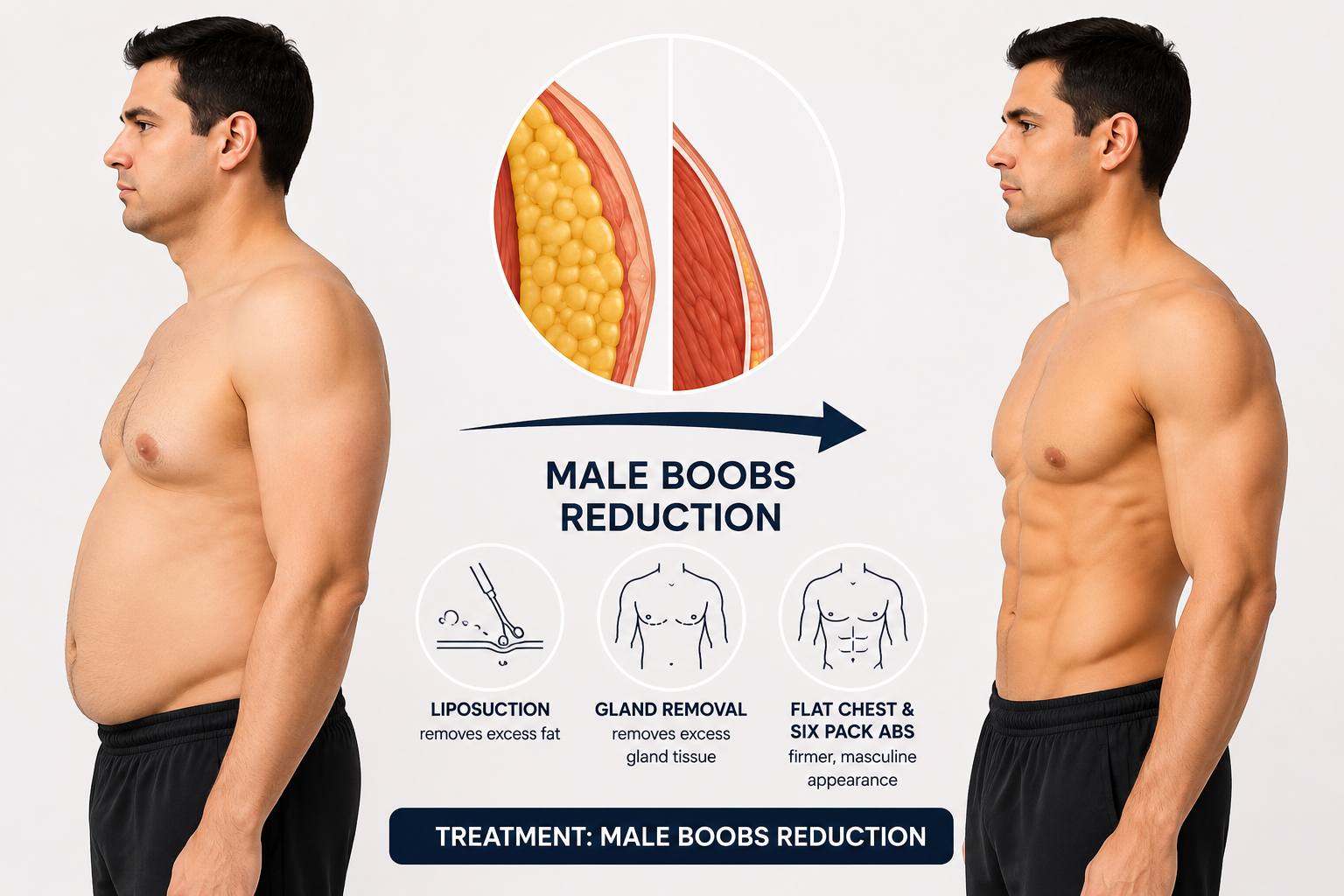
Male Boobs Reduction Surgery
When chest enlargement remains persistent, male breast reduction surgery provides long-term correction.
Surgery removes:
- Excess fat
- Enlarged gland tissue
- Loose chest contour irregularities
As a result, the chest shape becomes flatter and more masculine.
How Male Boobs Reduction Surgery Works
The surgical procedure focuses on reshaping the chest permanently.
Step 1: Evaluation
Doctors first examine the chest structure and identify fat versus gland tissue.
Step 2: Anesthesia
The procedure is performed under proper anesthesia for patient comfort.
Step 3: Fat Removal
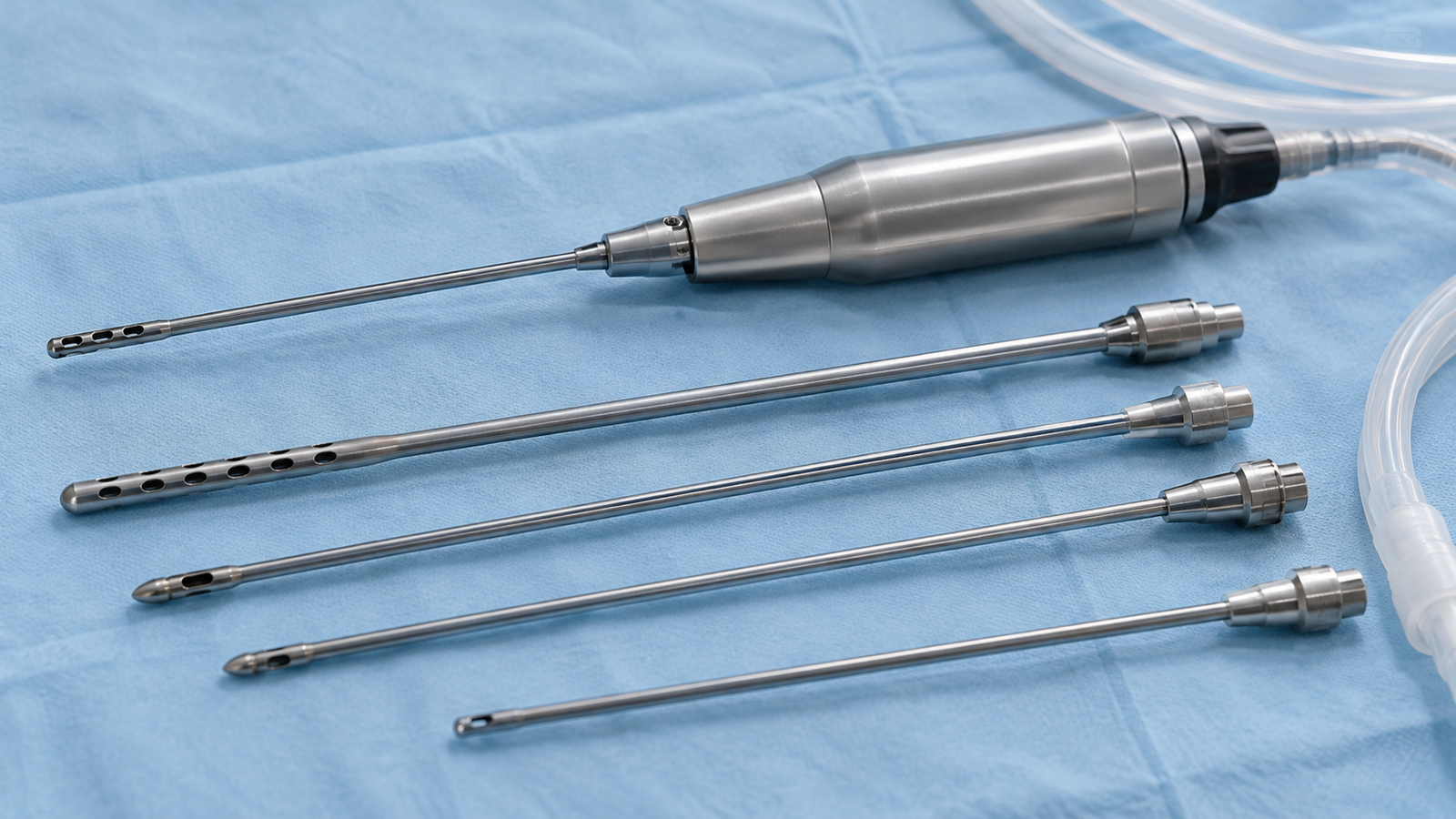
Liposuction removes excess chest fat through small entry points.
Step 4: Gland Removal
If gland tissue exists, it is carefully removed through a small incision near the nipple.
Step 5: Chest Contouring
The chest is reshaped to create a more natural, masculine contour.
The procedure usually takes a few hours, depending on the severity.
Recovery After Male Chest Reduction Surgery
Recovery remains an important part of the final results.
Patients usually experience:
- Mild swelling
- Temporary discomfort
- Tightness around the chest
- Bruising for a few days
Doctors commonly recommend:
Compression Garment
Wearing a compression vest helps reduce swelling.
Activity Restriction
Heavy exercise should be avoided initially.
Proper Hydration
Drinking enough water helps recovery.
Follow-Up Visits
Regular follow-up helps monitor healing progress.
Most patients gradually resume their normal routine within a short period.
Aftercare Instructions
Following proper aftercare improves healing.
Important instructions include:
- Avoid chest pressure
- Sleep in a proper position
- Avoid smoking
- Avoid alcohol temporarily
- Follow medication instructions
- Maintain stable body weight
Because healing differs between patients, following medical advice remains essential.
Benefits of Male Boobs Reduction Treatment
Treatment offers both cosmetic and psychological benefits.
Major benefits include:
Better Chest Shape
The chest becomes flatter and more proportionate.
Improved Clothing Fit
T-shirts and fitted clothes look better.
Better Confidence
Many men feel more comfortable socially.
Long-Term Results
Surgical correction provides long-lasting improvement.
More Masculine Appearance
Chest contour becomes firmer and more defined.
Risks Associated With Treatment
Like any medical procedure, some risks may exist.
Possible risks include:
- Temporary swelling
- Bruising
- Mild discomfort
- Temporary numbness
- Minor scarring
- Asymmetry in rare cases
However, proper surgical planning helps reduce these risks significantly.
When Should You Consider Treatment?
You should consider a professional evaluation if:
- Chest fat does not improve with exercise
- Nipples appear puffy
- Chest feels firm under the nipple
- Clothing fit causes discomfort
- Confidence is affected socially
Early evaluation often helps determine the most suitable treatment.
Conclusion
If you have been wondering why men get chest fat, the answer often depends on multiple factors, such as weight gain, hormonal imbalance, genetics, poor lifestyle habits, or gland tissue enlargement. Therefore, proper diagnosis becomes the first step toward selecting the right treatment.
At Elegance Clinic, advanced male chest contouring and male boobs reduction procedures help create a flatter, firmer, and more confident chest appearance with personalized treatment planning.