
Flat Chest for Men: Causes and Real Treatment Options
A flat chest for men is generally considered a sign of a balanced and masculine physique. However, many men experience chest imbalance due to excess gland tissue, fat accumulation, poor muscle definition, hormonal changes, or uneven chest development. Dr. Ashutosh Shah performs advanced chest contouring procedures at Elegance Clinic to help men achieve a firmer, flatter, and more proportionate chest appearance with long-lasting results.
Understanding Flat Chest for Men
A well-defined male chest usually appears flat, firm, and symmetrical. However, several conditions can affect chest shape and create fullness, puffiness, or uneven contour. In many cases, men notice changes despite regular exercise and healthy habits. Therefore, identifying the exact cause becomes the first step toward effective correction.
Moreover, chest appearance often affects confidence, body image, and clothing choices. Because of this, many men seek professional evaluation when exercise alone does not improve chest contour.
Dr. Ashutosh Shah’s Approach to Male Chest Correction
Dr. Ashutosh Shah focuses on identifying the exact reason behind chest imbalance before planning treatment. Since every patient has a different body structure, the treatment approach varies based on tissue type, skin quality, and overall chest anatomy.
Additionally, proper diagnosis allows more precise correction while maintaining a natural masculine appearance.
Causes of Chest Imbalance
Several factors can prevent achieving a naturally flat chest shape.
1. Gynecomastia
Gynecomastia refers to the enlargement of male breast gland tissue. It commonly develops because of a hormonal imbalance between estrogen and testosterone.
As a result, the chest may appear swollen or enlarged despite exercise.
2. Excess Fat Accumulation
Some men store stubborn fat in the chest area. Although weight loss may help overall body fat reduction, chest fat can sometimes remain unchanged.
Therefore, the chest contour may still look bulky.
3. Poor Muscle Development
Insufficient pectoral muscle development can make the chest appear uneven or poorly shaped.
In addition, posture issues may further affect chest appearance.
4. Genetic Factors
Some men naturally have asymmetrical chest development due to inherited body structure.
Because genetics influences fat distribution, chest shape may remain unchanged even with workouts.
5. Hormonal Changes
Hormonal fluctuations during puberty, adulthood, or medication use can affect chest tissue growth.
Consequently, the chest may lose its naturally masculine contour.
Symptoms That Indicate Chest Imbalance
Several signs suggest that the chest contour needs evaluation.
Visible Signs Include:
-
Puffy or protruding nipples
-
Uneven chest shape
-
Firm tissue beneath the nipple area
-
Excess fat deposits around the chest
-
Difficulty wearing fitted clothes
-
Reduced confidence in social situations
Although symptoms vary, persistent chest fullness often requires medical assessment.
Diagnosis Process
Accurate diagnosis helps determine the most suitable treatment plan.
Physical Examination
The surgeon evaluates chest size, tissue thickness, skin elasticity, and symmetry.
Medical History Review
Hormonal changes, medication use, lifestyle habits, and weight fluctuations are carefully reviewed.
Tissue Assessment
The chest is examined to determine whether enlargement comes from gland tissue, fat tissue, or both.
As a result, treatment becomes more targeted and effective.
Treatment Options for Chest Correction
The ideal treatment depends entirely on the underlying cause.
Lifestyle Modification
For mild chest fullness caused by fat accumulation:
-
Regular exercise
-
Balanced diet
-
Weight management
-
Strength training
However, gland tissue enlargement does not typically respond to exercise alone.
Male Breast Reduction Surgery
Male breast reduction remains one of the most effective solutions when gland tissue or persistent fat causes chest enlargement.
Because surgery directly removes excess tissue, it provides predictable and long-term improvement.
Male Breast Reduction Procedure Explained
Male breast reduction focuses on reshaping the chest to restore a masculine contour.
Step 1: Pre-Surgical Planning
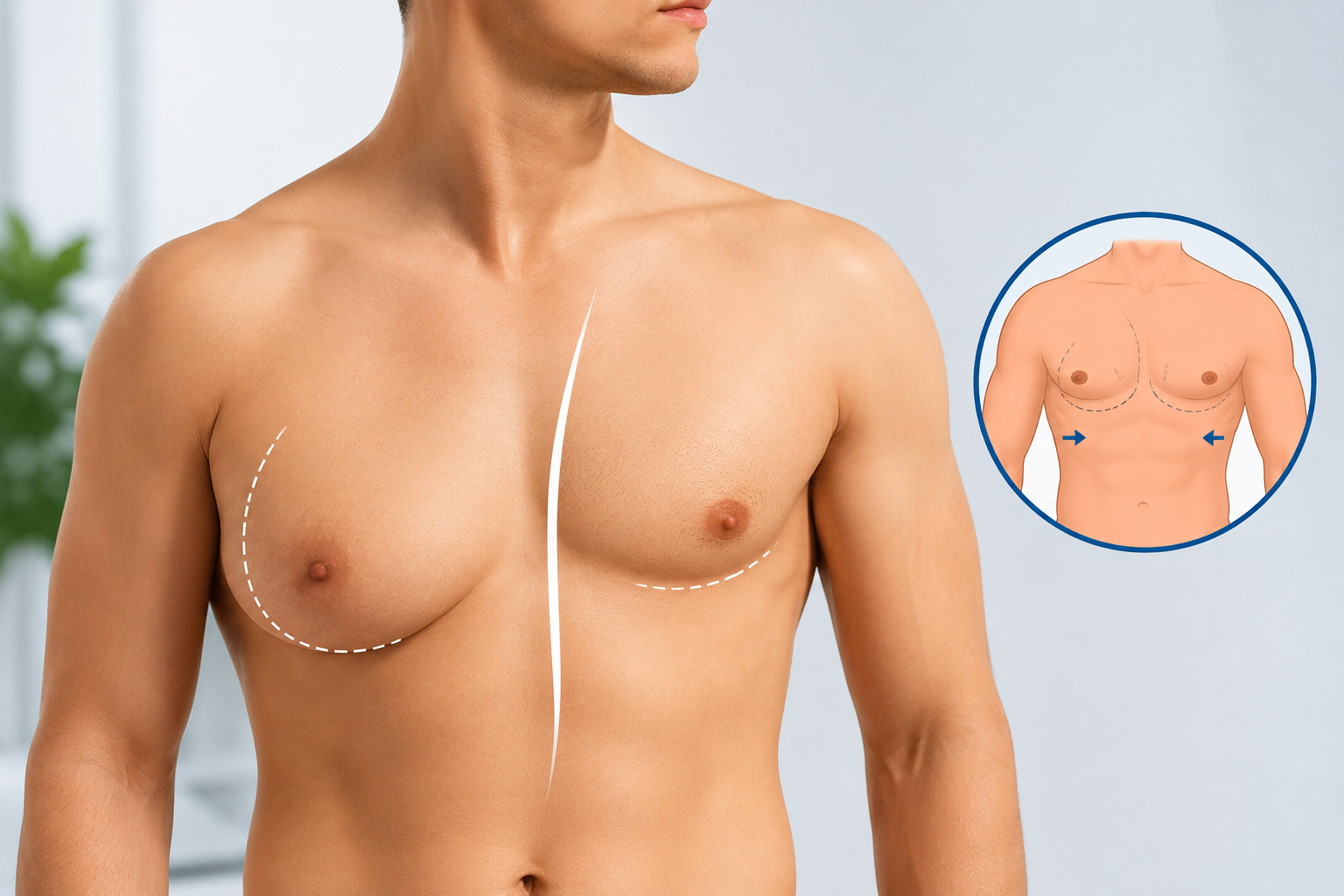
The surgeon examines chest anatomy and marks treatment areas.
Step 2: Anesthesia
The procedure is usually performed under appropriate anesthesia for patient comfort.
Step 3: Liposuction
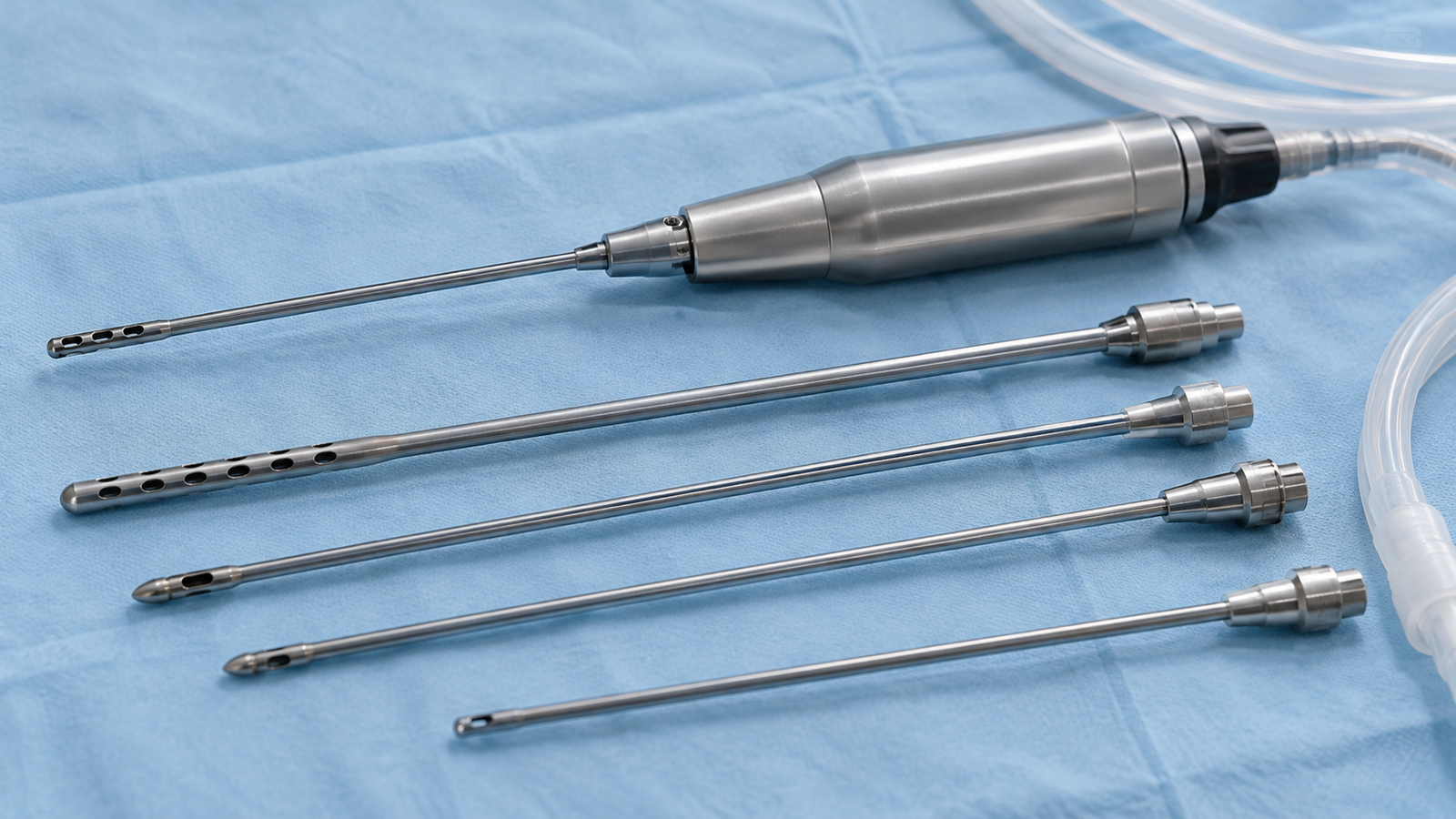
If excess fat contributes to chest fullness, liposuction removes stubborn fat deposits.
Step 4: Gland Tissue Removal
When gland tissue is present, small incisions allow direct tissue removal.
Step 5: Chest Contouring
The chest is carefully reshaped to create a more natural flat appearance.
Step 6: Dressing and Compression
Compression garments help reduce swelling and support healing.
As a result, the chest gradually settles into its improved contour.
Recovery and Aftercare
Proper aftercare significantly improves healing quality.
Immediate Recovery
During the first few days:
-
Mild swelling is common
-
Temporary discomfort may occur
-
Compression garments are required
First Few Weeks
Patients generally:
-
Return to routine activities gradually
-
Avoid heavy exercise temporarily
-
Follow wound care instructions carefully
Long-Term Recovery
Over time:
-
Swelling decreases steadily
-
Chest contour becomes more visible
-
Final results continue to improve gradually
Therefore, following aftercare instructions remains extremely important.
Risks and Benefits
Every medical procedure involves both benefits and possible risks.
Benefits
-
Improved masculine chest contour
-
Better chest symmetry
-
Long-lasting results
-
Increased confidence
-
Better clothing fit
-
Permanent removal of excess gland tissue
Possible Risks
-
Temporary swelling
-
Mild bruising
-
Minor scarring
-
Temporary numbness
-
Infection risk if aftercare is ignored
However, proper surgical planning helps minimize complications significantly.
Who Should Consider Treatment?
Treatment may be appropriate for men who experience:
-
Persistent chest enlargement
-
Enlarged chest despite exercise
-
Puffy nipple appearance
-
Uneven chest contour
-
Psychological discomfort related to appearance
Therefore, professional evaluation helps determine the best solution.
Long-Term Results
Results often remain stable when patients maintain a healthy lifestyle.
In addition, once excess gland tissue is removed, recurrence becomes uncommon in most cases.
Because long-term outcomes depend partly on weight management, maintaining fitness remains important.
Conclusion
Achieving a flat chest for men often requires understanding the exact reason behind chest imbalance. While exercise helps some patients, others may require specialized treatment, such as male breast reduction surgery for permanent correction. At Elegance Clinic, advanced chest contouring procedures performed by Dr. Ashutosh Shah focus on achieving natural-looking, masculine results with safety, precision, and long-term confidence.
Treated at Elegance Clinic, Surat. A flat chest holds only when the glandular tissue is dealt with, not just the fat. Dr. Ashutosh Shah performs gynecomastia surgery in India for every grade of the condition - book a consultation to have your chest assessed.