

How Should You Prepare for Gynecomastia Surgery for Bodybuilders?
Preparing for gynecomastia surgery for bodybuilders usually means completing medical tests, reviewing medicines and supplements with your surgeon, stopping smoking as instructed, arranging help at home and planning time away from strenuous training. Good preparation can reduce avoidable risks and make recovery easier. Your surgeon should provide an individual plan based on your health and procedure.
Key Takeaways
-
Schedule a consultation to confirm whether chest enlargement involves glandular tissue, fat or both.
-
Disclose anabolic steroids, testosterone, performance-enhancing drugs and supplements.
-
Complete only the investigations recommended by your medical team.
-
Never stop prescribed blood thinners without medical instructions.
-
Arrange transport, home support and time away from strenuous workouts.
-
Follow individual fasting and medication instructions before surgery.
What to Do 4 Weeks Before
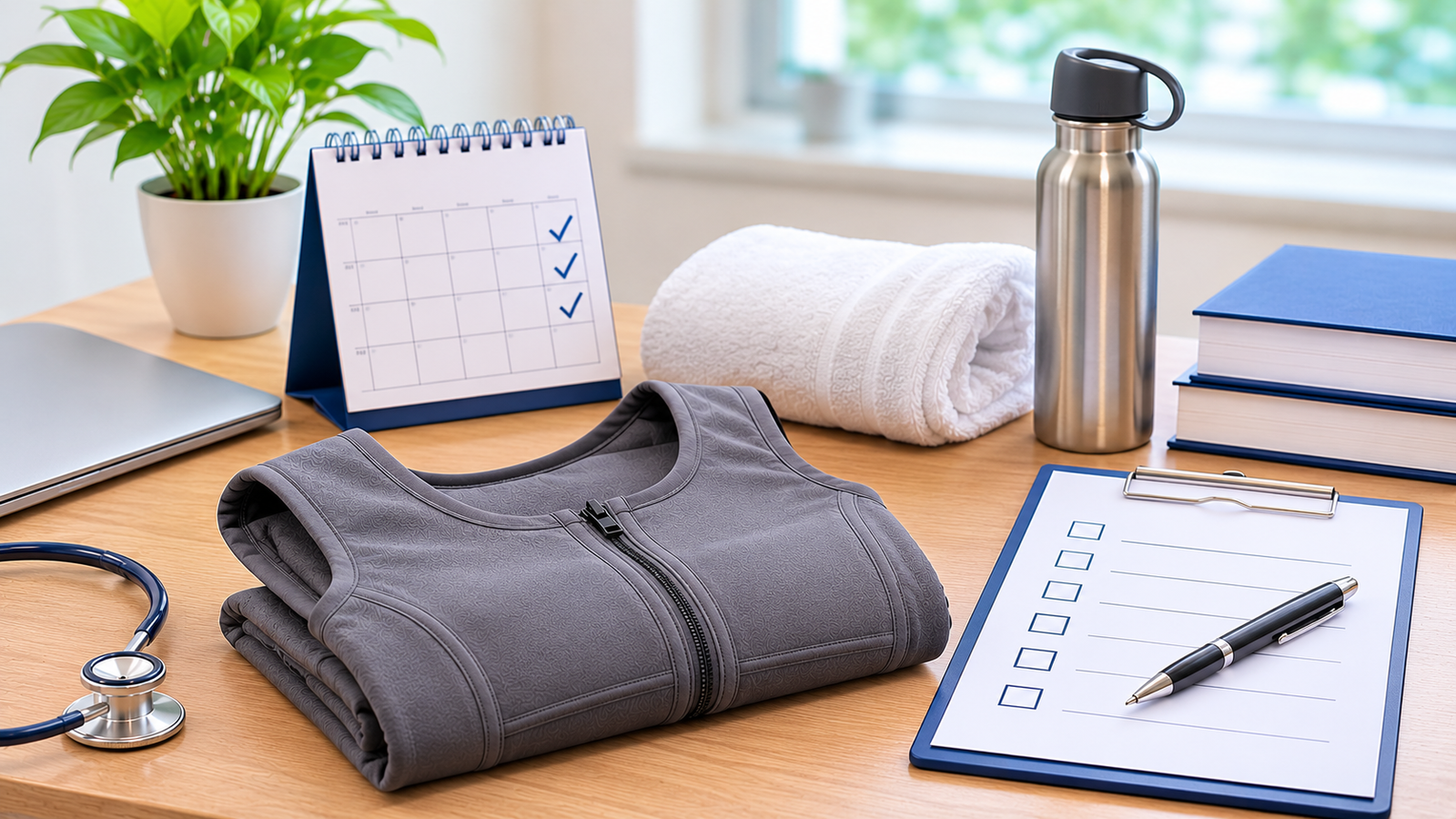
Understanding how to prepare for gynecomastia surgery for bodybuilders starts with organising your medical assessment, training schedule and recovery arrangements.
Bodybuilders may have well-developed pectoral muscles but still experience glandular breast enlargement. Surgery may involve gland excision, liposuction or both.
A consultation helps determine the underlying cause and whether an operation is appropriate.
Four Weeks Before Surgery
Schedule your surgical consultation and discuss your goals.
Tell the surgeon about previous chest procedures, medical conditions, hormonal treatments and performance-enhancing substances.
If you are uncertain whether the enlargement is glandular or fatty, read gynecomastia vs chest fat.
Ask whether further medical evaluation is necessary before confirming surgery.
Three Weeks Before Surgery
Complete the tests recommended by your surgeon.
Review all medicines, supplements and substances used for bodybuilding.
Discuss nicotine use, alcohol consumption and any recent changes in your training routine.
Do not independently discontinue prescribed medicines or begin new treatments.
Two Weeks Before Surgery
Arrange time away from the gym and physically demanding work.
Plan transport and assistance at home, particularly if general anaesthesia or sedation is expected.
Ask which activities will be restricted during recovery.
One Week Before Surgery
Confirm admission instructions, fasting requirements and the medication plan.
Prepare loose clothing and organise essential items at home.
Contact the clinic if you develop fever, respiratory symptoms, a skin infection or another new health concern.
Important: The four-week schedule is an organisational guide, not a universal medical timeline. [Dr. Ashutosh Shah to confirm the clinic's exact preparation requirements.]
Four-Week Preparation Checklist
| Week | Task |
|---|---|
| Week 4 | Schedule consultation and review medical history |
| Week 4 | Disclose anabolic steroids, hormones and supplements |
| Week 3 | Complete prescribed investigations |
| Week 3 | Review smoking, nicotine and medication instructions |
| Week 2 | Arrange transport and a responsible adult for discharge |
| Week 2 | Plan leave from gym and strenuous work |
| Week 1 | Confirm fasting and admission instructions |
| Week 1 | Prepare clothing, medicines and recovery supplies |
| Surgery day | Follow the medical team's final instructions |
Medical review pending: Dr. Ashutosh Shah must approve this checklist and any clinic-specific timing before publication.
Which Medicines and Supplements to Review
A complete medication review is particularly important for patients involved in bodybuilding.
Some products may influence bleeding, anaesthesia, blood pressure or hormonal balance.
Prescription Medicines
Tell the surgical team about every prescribed medicine, including:
-
Blood thinners and antiplatelet medicines
-
Diabetes medicines
-
Blood pressure medicines
-
Hormonal treatments
-
Pain medicines
-
Medicines for chronic health conditions
Do not stop or change prescribed treatment without instructions from the appropriate clinician.
Anabolic Steroids and Testosterone
Anabolic-androgenic steroids can contribute to hormonal disturbances and gynecomastia.
Patients should disclose current and previous use, even if the substances were taken months or years earlier.
The surgeon may recommend further assessment when hormonal abnormalities are suspected.
Do not independently start or stop hormone treatment to prepare for surgery.
Protein Powders and Gym Supplements
Bring a complete list of supplements, including product names and ingredients.
These may include pre-workout products, herbal preparations, fat burners and bodybuilding supplements.
Not every protein powder requires discontinuation. Decisions should depend on ingredients, medical history and anaesthesia advice.
Smoking and Nicotine
Smoking and nicotine exposure can impair wound healing.
Patients should disclose cigarettes, vaping products and nicotine replacement products.
What Tests Are Usually Needed?
Tests before gynecomastia surgery for bodybuilders depend on the patient's health, examination findings and planned procedure.
Not every patient requires the same investigations.
Physical Examination
The surgeon examines the chest to assess glandular tissue, fatty tissue, skin quality and symmetry.
The examination also helps identify unusual findings that require further assessment.
For background information, see gynecomastia info.
Blood Tests
Blood investigations may be recommended to assess general health and surgical suitability.
The exact tests depend on the patient's medical history and the anaesthesia plan.
Hormonal Evaluation
Hormonal tests may be appropriate when symptoms, examination findings or medication history suggest an underlying endocrine cause.
This can be particularly relevant when anabolic steroid use is reported.
Imaging
Imaging is not necessary for every patient with typical gynecomastia.
However, the surgeon may recommend ultrasound or other investigations when the findings are unclear or suspicious.
Anaesthesia Assessment
The anaesthesia team reviews relevant medical conditions, previous anaesthesia experiences and medications.
Additional specialist clearance may be required for selected patients.
What to Arrange at Home
Preparing your home before surgery can make the initial recovery period more manageable.
Arrange Someone to Help
Depending on the anaesthesia used, patients may need a responsible adult to accompany them home and assist during early recovery.
Prepare a Comfortable Resting Area
Keep essential items within easy reach.
Arrange pillows, comfortable clothing, drinking water, and prescribed medicines.
Follow the surgeon's instructions about sleeping position and movement restrictions.
Plan Your Gym Break
Bodybuilders should prepare for a temporary interruption to strength training.
Heavy lifting, push-ups, bench presses, and exercises that place pressure on the chest may need to be avoided.
Do not schedule competitions or intensive workouts based on an assumed recovery date.
Arrange Work Leave
Patients with desk-based jobs may have different recovery requirements from those whose work involves lifting or strenuous physical activity.
Plan Your Budget
Ask for a written estimate covering the procedure, anaesthesia, hospital charges, medicines, compression garments, and follow-up appointments.
The gynecomastia surgery cost guide provides additional background about possible cost considerations.
What to Bring on the Day
Preparing a small hospital bag can help avoid unnecessary stress on the day of surgery.
Essential Documents
Bring identification, appointment details, prescribed investigation reports and relevant medical records.
Carry a complete list of current medicines and supplements.
Comfortable Clothing
Choose loose-fitting clothes that are easy to put on and remove.
A front-opening shirt may be convenient if arm and shoulder movement is uncomfortable after surgery.
Avoid clothing that requires significant stretching over the head.
Medicines and Personal Items
Bring medicines only as instructed by the clinic.
Do not take additional painkillers, supplements, or sedatives without medical approval.
Leave unnecessary valuables at home.
Fasting and Admission Instructions
Follow the specific fasting instructions provided by the anaesthesia team.
Eating or drinking outside the permitted schedule may affect the safety or timing of surgery.
Final Confirmation
Before leaving for the clinic, confirm:
-
Your admission time
-
Transport arrangements
-
Required documents
-
Medication instructions
-
Fasting instructions
-
Postoperative contact details
Preparing for Gynecomastia Surgery for Bodybuilders in Piplod Surat
Patients considering gynecomastia surgery for bodybuilders in Piplod, Surat should arrange their consultation, investigations, and recovery support before selecting a treatment date.
At Elegance Clinic, patients can enquire about appointment availability and the consultation process.
An initial online discussion may be possible if offered by the clinic, but a physical examination is generally necessary before final surgical planning.
Patients should also ask how postoperative reviews are arranged and whether all follow-ups require in-person attendance.
For appointment enquiries, visit contact us.
Consultation With Dr. Ashutosh Shah at Elegance Clinic
Dr. Ashutosh Shah (M.S., M.Ch., D.N.B.) is a plastic, reconstructive and cosmetic surgeon associated with Elegance Clinic.
During consultation, patients can discuss the cause of chest enlargement, surgical suitability, potential risks, scarring and recovery requirements.
Bodybuilders should specifically ask about anabolic steroid history, training restrictions and the expected appearance of the chest after surgery.
The treatment plan should be based on clinical findings and individual medical needs.
Conclusion
Understanding how to prepare for gynecomastia surgery for bodybuilders involves more than scheduling an operation.
Medical assessment, medication review, honest disclosure of supplements and anabolic steroid use, and proper recovery planning are essential.
Patients should also prepare for temporary restrictions on heavy exercise and arrange suitable support at home.
A consultation with Dr. Ashutosh Shah at Elegance Clinic can help establish an individual preparation plan based on medical suitability and treatment requirements.