

What should you avoid after teen gynecomastia treatment?
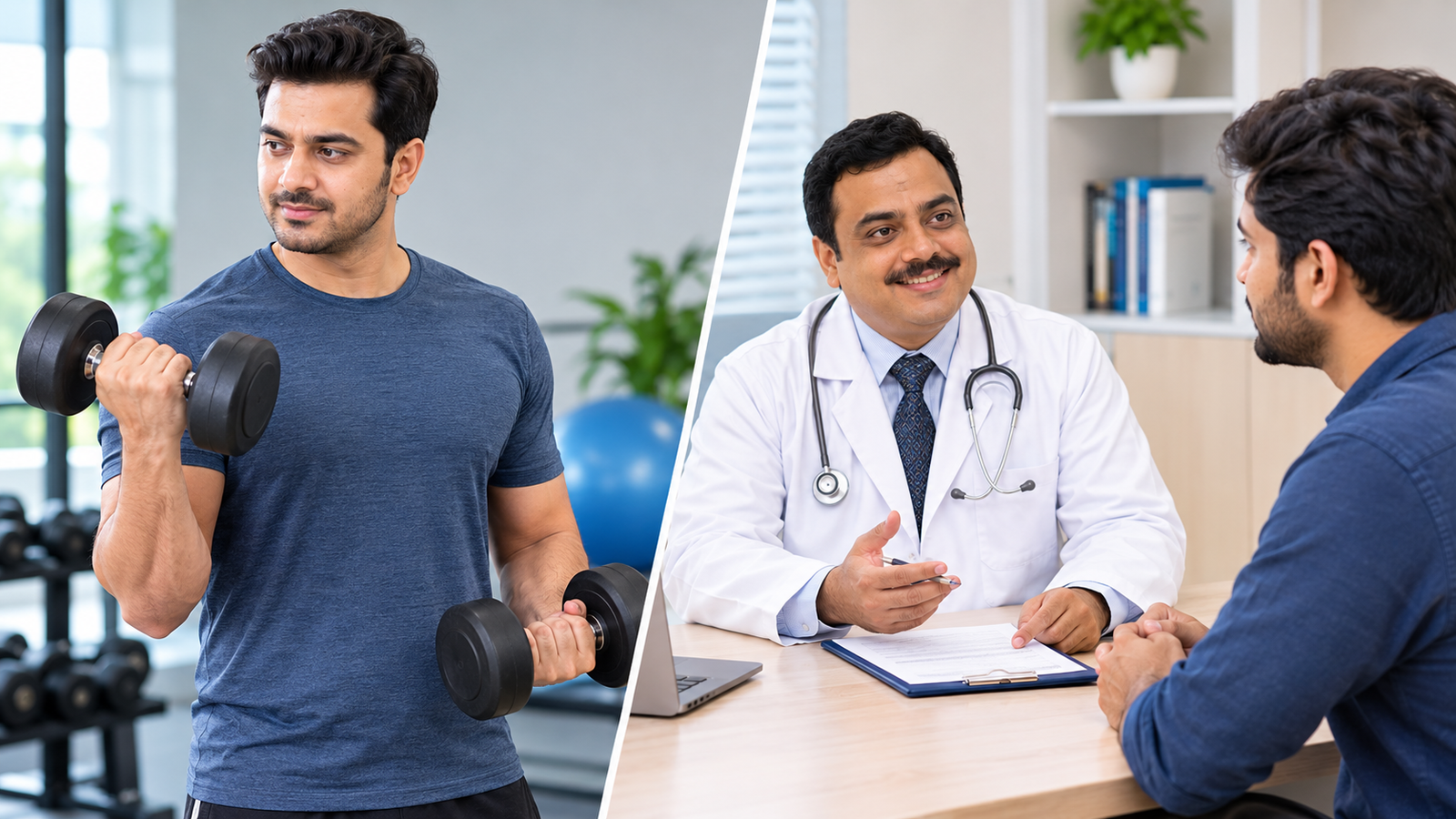
After surgical teen gynecomastia treatment, avoid strenuous exercise, pressure on the chest, smoking, alcohol, direct sun exposure on healing scars and missed follow-up appointments until your surgeon advises otherwise. These precautions can support healing and reduce complications. Teenagers receiving observation rather than surgery generally do not need postoperative restrictions.
What to Avoid in the First Week
Understanding what to avoid after teen gynecomastia treatment is important for teenagers who have undergone surgery for persistent glandular breast enlargement.
However, not every teenager with gynecomastia requires an operation. Pubertal breast enlargement often improves naturally, and observation may be appropriate.
The precautions below mainly apply after surgical treatment.
Avoid Heavy Lifting and Strenuous Exercise
During early recovery, avoid activities that place unnecessary pressure on the chest.
These may include:
-
Heavy school bags
-
Push-ups and bench presses
-
Weight training
-
Contact sports
-
Strenuous running or jumping
Gentle walking may be encouraged when the surgeon permits it.
Do Not Disturb Dressings
Keep dressings in place according to the surgical team's instructions.
Avoid scratching the operated area or applying creams without approval.
If a compression garment is prescribed, wear it according to the recommended schedule.
Avoid Missing Medicines or Follow-Ups
Take prescribed medicines as directed.
Do not increase pain medicine doses or add over-the-counter products without checking with the treating clinician.
Follow-up appointments allow the surgeon to assess swelling, wound healing and early recovery.
Do-and-Don't Recovery Table
| Day range | Do | Don't |
|---|---|---|
| Surgery day | Rest and follow discharge instructions | Drive after anaesthesia or perform strenuous activity |
| Days 1–3 | Protect dressings and follow prescribed medicine instructions | Lift heavy objects or disturb incisions |
| Days 4–7 | Attend scheduled reviews and continue permitted gentle movement | Restart sports without clearance |
| Week 2 onward | Gradually resume approved activities | Rush into chest workouts or contact sports |
| Later recovery | Follow scar-care and review instructions | Expose healing scars to unprotected sunlight |
For information about adolescent breast enlargement and available treatment options, read adolescent gynecomastia.
When Can You Shower, Travel and Drive?
Bathing, travel and driving restrictions depend on the surgical technique, dressings, anaesthesia and individual healing.
Showering After Surgery
Patients should follow the clinic's written wound-care instructions.
Do not assume that a dressing can safely become wet.
Avoid soaking healing incisions until the surgeon confirms that doing so is safe.
Travelling After Treatment
Short journeys may be possible once the patient is medically stable and comfortable.
However, long journeys can be difficult when pain, swelling or restricted movement is present.
Parents or guardians should arrange suitable transport and confirm when travel is appropriate.
Driving After Anaesthesia
Most teenagers are not legally eligible to drive a car.
For older patients who are legally licensed, driving must not resume until anaesthesia effects have resolved, pain and movement permit safe control, and medical instructions allow it.
Parents should normally arrange transport after surgery.
Returning to School
School attendance may resume before sports participation.
However, heavy backpacks, crowded transport and physical education classes may require temporary adjustments.
Food, Smoking and Alcohol Rules
Healthy nutrition and avoiding harmful substances can support postoperative recovery.
Teenagers should receive age-appropriate guidance from their treating clinician.
Eat Balanced Meals
A balanced diet supports normal healing.
Include suitable sources of protein, fruits, vegetables and other nutrient-rich foods.
Drink adequate fluids unless the medical team advises otherwise.
There is no special food that guarantees faster surgical healing.
Avoid Smoking and Nicotine
Smoking and nicotine exposure can impair wound healing.
Teenagers should avoid cigarettes, vaping products and other nicotine products.
Patients should disclose nicotine use honestly so the surgeon can assess relevant risks.
Avoid Alcohol
Alcohol is not appropriate for minors and should not be treated as a routine part of recovery planning.
It can also interact with certain medicines and impair judgement.
Teenagers should avoid alcohol rather than seek a postoperative date for restarting it.
Review Supplements
Do not begin herbal products, bodybuilding supplements or additional medicines without discussing them with the medical team.
Some products may affect bleeding, blood pressure or medication safety.
The gynecomastia info section provides background about male breast enlargement.
Clothing, Garments and Sleep Position
Comfortable clothing and appropriate support can make early recovery easier.
Choose Loose Clothing
Loose, soft clothing may reduce friction around the chest.
A front-opening shirt can be easier to manage when shoulder movement is uncomfortable.
Avoid tight clothing that rubs against dressings or healing incisions.
Follow Compression Garment Instructions
A surgeon may recommend a compression garment after gland excision or liposuction.
The garment should fit according to medical instructions.
Do not tighten, remove or replace it without approval.
Follow Sleeping Position Advice
Some patients may find sleeping on their back more comfortable during early recovery.
However, the safest position depends on the operation and individual instructions.
Avoid positions that place painful pressure on the operated chest.
Protect Healing Scars
Fresh incisions should not receive unnecessary friction or direct sunlight.
Once the wound has healed, the surgeon may recommend scar-care measures.
Do not apply sunscreen, silicone products or other treatments directly to an unhealed incision without approval.
For patients with enlargement on one side, unilateral gynecomastia explains how the condition may differ between sides.
Which Signs Need a Call to the Clinic?
Some swelling, tenderness and bruising may occur after surgery.
However, symptoms that worsen unexpectedly require medical attention.
Contact the Surgical Team If You Notice:
-
Increasing pain that does not improve with prescribed treatment
-
Rapidly worsening swelling
-
Fever or chills
-
Increasing redness or warmth around the incision
-
Unusual wound discharge
-
Persistent bleeding
-
A dressing or garment problem that cannot be managed safely
Sudden one-sided chest swelling may require urgent assessment because postoperative bleeding can sometimes collect beneath the skin.
Seek Emergency Care for Serious Symptoms
Breathing difficulty, severe chest pain, fainting or uncontrolled bleeding requires immediate emergency medical attention.
Do not wait for a routine follow-up appointment if serious symptoms develop.
Keep Follow-Up Appointments
Follow-up visits help assess wound healing, chest contour and possible complications.
The surgeon may adjust activity restrictions or garment instructions according to recovery progress.
Teen Gynecomastia Treatment in Valsad: Planning Safe Recovery
Families arranging teen gynecomastia treatment in valsad should understand the recovery requirements before scheduling surgery.
At Elegance Clinic, parents or guardians can enquire about consultation availability, treatment planning and postoperative appointments.
Teenagers should receive clear explanations about activity restrictions, school attendance and symptoms that require medical attention.
A responsible adult should help manage transport, medicines and follow-up arrangements when appropriate.
For appointments and postoperative enquiries, visit contact us.
Conclusion
Understanding what to avoid after teen gynecomastia treatment can help teenagers and families prepare for safer recovery.
After surgery, avoid strenuous activity, pressure on healing tissues, nicotine, alcohol and unnecessary sun exposure on scars.
Follow the surgeon's instructions about bathing, clothing, compression garments and returning to school or sports.
Dr. Ashutosh Shah at Elegance Clinic can provide individual postoperative guidance based on the procedure and recovery progress.