

Is Surgery the Only Way to Remove Male Breasts?
No, surgery is not the only way to remove male breasts, but it depends on the cause. If the enlargement is mostly fat (pseudogynecomastia), diet and exercise can reduce it. True glandular gynecomastia, however, does not respond to weight loss, and long-standing cases usually need surgery.
Enlarged male breasts are common and rarely dangerous, yet the internet is full of "non-surgical cures" that quietly ignore one crucial fact: the right treatment depends entirely on what is causing the enlargement. This guide explains the difference between fat and gland, which non-surgical options genuinely work, and when surgery becomes the only reliable option.
What are "male breasts" (gynecomastia)?
Gynecomastia is the enlargement of breast tissue in men, caused by a shift in the balance between estrogen and testosterone. It can affect one or both sides and often feels like a firm, rubbery disc of tissue beneath the nipple. It is a benign (non-cancerous) condition and is very common; many boys develop it during puberty, and it also appears in newborns and older men.
It is important to separate two look-alike conditions. True gynecomastia is growth of actual breast gland tissue. Pseudogynecomastia is simply fat deposited on the chest, usually linked to being overweight. They can look identical from the outside but respond very differently to treatment.
What causes enlarged male breasts?
Enlarged male breasts are almost always driven by a hormonal imbalance or by excess body fat. The most common triggers include:
- Puberty: temporary hormone swings make gynecomastia very common in teenage boys.
- Aging: testosterone falls,s and body fat rises with age.
- Excess weight: extra fat both stores on the chest and raises estrogen levels.
- Medications: some drugs for the heart, prostate, ulcers, and mental health, as well as anti-androgens like spironolactone.
- Anabolic steroids and recreational substances: steroid use, alcohol, and marijuana are known contributors.
- Underlying conditions: low testosterone (hypogonadism), thyroid problems, and liver or kidney disease.
Because the causes range from harmless and temporary to signs of an underlying condition, an accurate diagnosis matters before choosing any treatment.
Is it fat or gland? How to tell the difference
The single most useful question is whether the enlargement is fat or gland, because it decides whether non-surgical treatment can work. Fatty tissue (pseudogynecomastia) is soft, spreads evenly across the chest, is caused by excess body fat, and shrinks when you lose weight. Glandular tissue (true gynecomastia) feels like a firmer, rubbery disc under the nipple, is driven by hormonal imbalance, stays put no matter how lean you get, and usually needs surgical removal.
Many men actually have a mix of both, which is one reason a proper examination, sometimes with an ultrasound or hormone test, is worth doing before deciding on treatment.
Can you remove male breasts without surgery?
Yes, you can reduce male breasts without surgery if the enlargement is fat or early-stage gland tissue. Non-surgical approaches have a real evidence base in specific situations, but they will not remove firm, established glandular tissue. The options that genuinely help include:
- Watchful waiting (for teenagers). Puberty-related gynecomastia clears on its own in most boys within about 6 months to 2 years, so patience is often the correct first step.
- Fat loss. If the chest is mostly fat, a calorie deficit, strength training, and overall weight loss will reduce it just like fat anywhere else on the body.
- Removing the cause. If a medication, steroid, alcohol, or an underlying condition (like low testosterone or a thyroid problem) is driving it, treating that can shrink the tissue.
- Medication. A SERM such as tamoxifen can reduce glandular tissue and tenderness but mainly in the early, active phase (roughly the first year, while the tissue is still soft). It is usually used off-label and only under medical supervision.
Here is the part that is often oversold: "fat-dissolving" injections, CoolSculpting, and creams do not reliably remove breast gland tissue. Once glandular gynecomastia has been present for more than about a year, the tissue becomes fibrous and scarred, and at that point pills and non-invasive devices stop working. Learn more about the definitive option for bilateral gynecomastia treatment.
When is surgery the only option?
Surgery becomes the only reliable option when firm glandular tissue has been present for more than a year and no longer responds to medication or lifestyle changes. At that stage, the gland is fibrous and fixed, so nothing short of removing it will change the shape of the chest. Surgery is also chosen when the enlargement is severe, is causing significant self-consciousness, or when a man simply wants a definitive, one-time result.
The good news is that surgery for gynecomastia is a well-established, day-care procedure with a high satisfaction rate and permanent results, provided weight and hormone levels stay stable afterwards.
What does gynecomastia surgery involve?
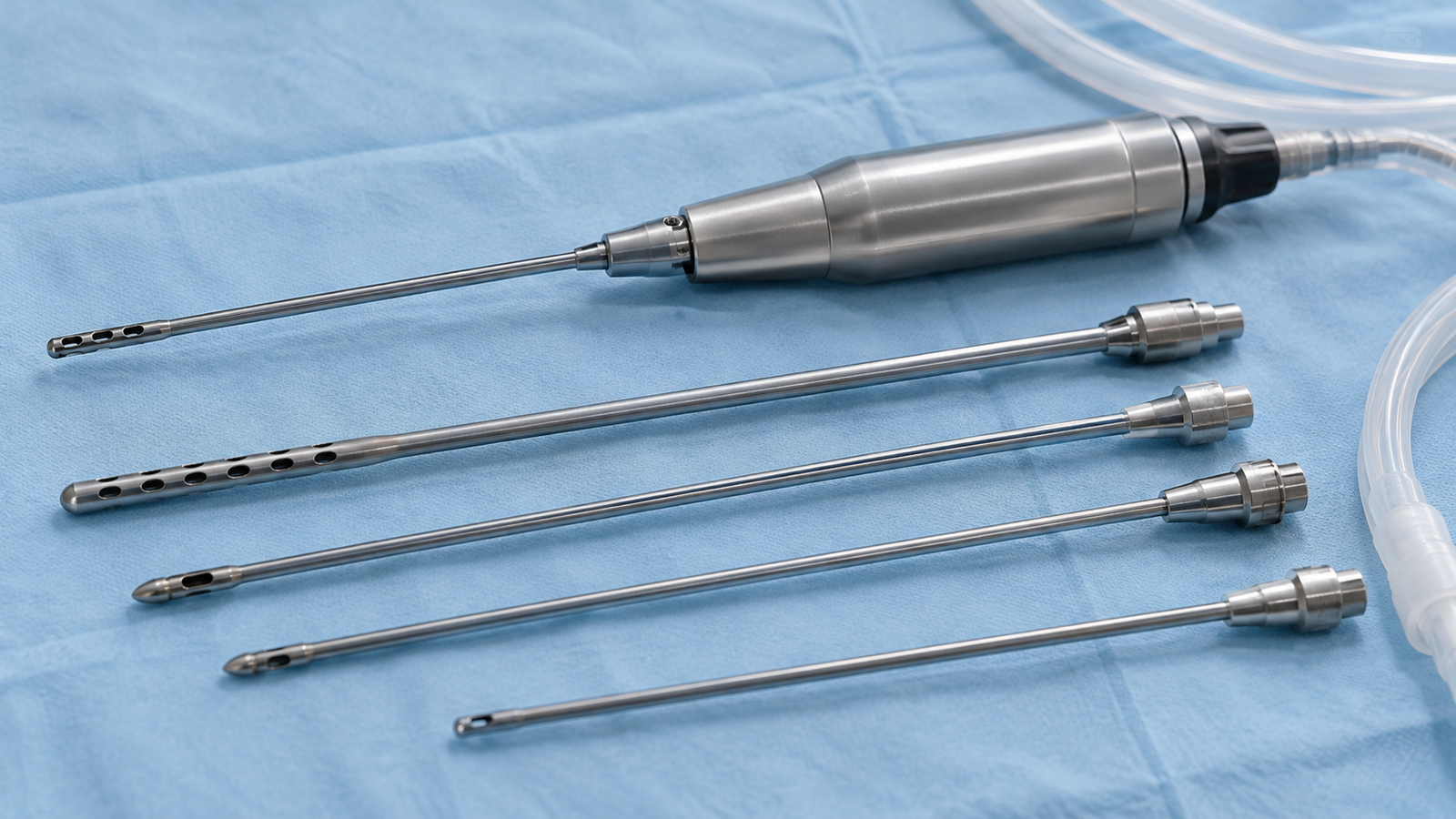
Gynecomastia surgery removes the chest fat and gland to flatten and re-contour the chest. It typically combines two techniques: liposuction to remove the fatty component and surgical excision to cut out the firm glandular disc that liposuction alone cannot clear. Most cases are done under anaesthesia as a day procedure through small, discreet incisions.
Recovery usually involves wearing a compression garment for a few weeks and avoiding heavy exercise for a short period. Because the gland is physically removed, results are generally permanent. You can read more about the fat-removal component on our liposuction page.
How do you know which treatment you need?
You cannot reliably tell fat from gland by yourself, so the safest first step is an assessment by a qualified plastic surgeon. A clinical examination sometimes supported by an ultrasound scan or hormone blood tests confirms whether the enlargement is fat, gland, or a mix, and whether an underlying cause needs treating first.
See a doctor promptly if you notice rapid growth, a hard or fixed lump, skin changes, nipple discharge, or swelling on one side only, as these warrant proper evaluation rather than watchful waiting.
Treatment at Elegance Plastic Surgery
At Elegance Plastic Surgery, enlarged male breasts, including Bilateral Gynecomastia, are assessed by Dr. Ashutosh Shah (M.S., M.Ch.), a plastic and reconstructive surgeon with more than 22 years of experience. The approach starts with an honest diagnosis: fat versus gland, so you are only offered surgery when it is actually the right answer, and guided toward non-surgical options when those can work. You can book a consultation to find out which category you fall into.